Artificial Intelligence in the Real Economy: A Visual Guide
Why It Matters
AI is reshaping core industries—transport and insurance—by cutting costs, improving risk assessment, and unlocking new revenue streams, signaling a broader shift toward data‑centric business models.
Key Takeaways
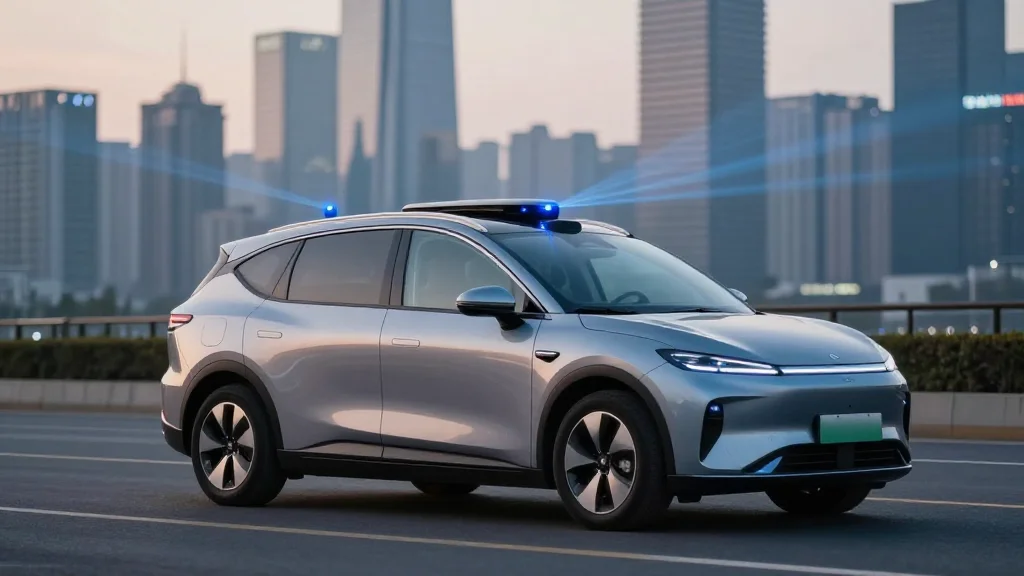
- •Robotaxis expand globally as AI reduces driver costs
- •AI perception upgrades enable safer autonomous navigation
- •Insurers adopt AI to quantify climate‑related losses
- •Infosys backs FT visual guide, linking tech firms to media
- •Visual explainers accelerate executive understanding of AI trends
Pulse Analysis
Artificial intelligence is accelerating the commercialization of robotaxis, turning what was once a niche test‑bed into a burgeoning market segment. Advanced sensor fusion, real‑time decision algorithms, and AI‑optimized fleet dispatch are slashing operating expenses while boosting safety metrics. Major players such as Waymo and autonomous‑shuttle operators are scaling deployments across North America, Europe and Asia, prompting municipalities to adapt regulations and investors to allocate capital toward AI‑driven mobility platforms.
In parallel, the insurance sector is confronting mounting climate volatility, and AI offers a powerful tool to refine risk models. Machine‑learning algorithms ingest satellite imagery, weather patterns and historical loss data to generate granular, predictive loss estimates. This capability not only improves underwriting accuracy but also enables insurers to price policies more competitively and allocate reinsurance more efficiently. The upcoming FT visual guide on AI‑enhanced climate risk underscores how the technology is becoming a strategic differentiator for carriers seeking resilience in an increasingly unpredictable environment.
The FT’s visual guide series, supported by Infosys, serves as a bridge between complex AI developments and senior‑level decision‑makers. By distilling technical advances into concise graphics, the series helps executives grasp the strategic implications without wading through dense technical literature. For investors, the guide signals where AI‑driven efficiencies are likely to translate into measurable financial performance, making it a valuable resource for portfolio allocation in sectors undergoing rapid digital transformation.
Artificial Intelligence in the Real Economy: A Visual Guide
Comments
Want to join the conversation?
Loading comments...