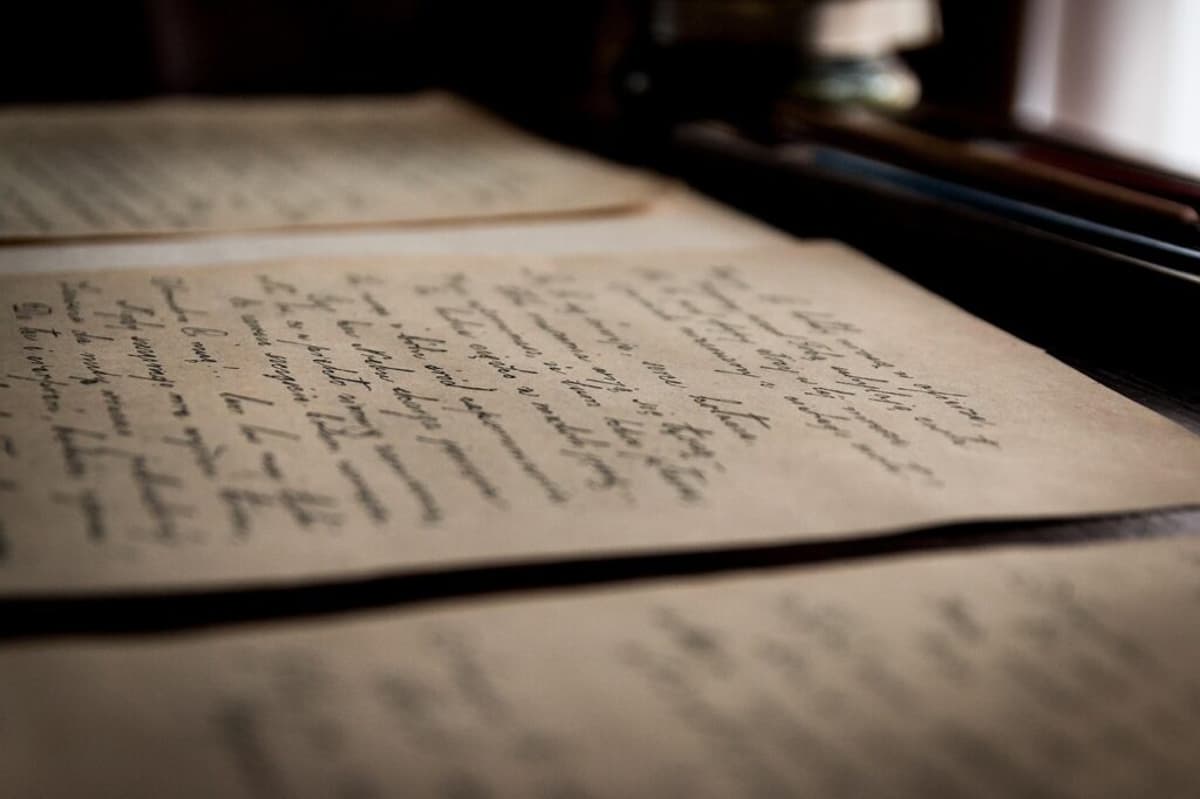
As a ‘Book Scientist’ I Work with Microscopes, Imaging Technologies and AI to Preserve Ancient Texts

Why It Matters
The fusion of imaging and AI extends scholarly access and prevents irreversible loss of irreplaceable heritage, directly supporting libraries, museums and researchers worldwide.
Key Takeaways
- •Multispectral imaging recovered 16 wavelengths of hidden text in 13th‑century manuscript
- •Microscopic collagen analysis predicts parchment decay before visible damage appears
- •AI models now transcribe endangered scripts like Geʽez, expanding access
- •Climate change intensifies preservation challenges, driving scientific interventions
- •Book science turns damaged artifacts into new sources of historical insight
Pulse Analysis
The preservation of cultural heritage has become an urgent priority as wildfires, armed conflicts and climate‑driven humidity spikes threaten libraries and archives worldwide. In response, a niche discipline called book science has emerged, uniting conservators, material scientists and data engineers to treat historic volumes as complex biological artifacts. By leveraging high‑resolution microscopes, multispectral cameras and machine‑learning pipelines, researchers can interrogate the physical and chemical makeup of manuscripts without invasive handling. This scientific turn not only rescues texts that would otherwise fade into oblivion but also generates data that deepen our understanding of past manufacturing techniques.
One of the most visible breakthroughs comes from multispectral imaging, where a page is photographed across dozens of wavelengths—from ultraviolet to infrared—to reveal erased ink, water damage or faded pigments. At the University of Toronto, scholars combined 16 distinct wavelengths to restore a 13th‑century Jewish legal text, turning illegible fragments into readable scholarship. Parallel advances in collagen fiber microscopy enable early detection of parchment brittleness, allowing custodians to adjust temperature and humidity before irreversible shrinkage occurs. Meanwhile, AI transcription engines trained on scripts like Geʽez are automating the deciphering of endangered languages, dramatically widening access for academics and descendant communities.
The ripple effects extend beyond academia. Museums and digital repositories can now offer richer, searchable online collections, attracting broader audiences and new revenue streams. Funding bodies are increasingly allocating grants to interdisciplinary projects that blend heritage conservation with cutting‑edge analytics, recognizing the sector’s role in cultural diplomacy and tourism. As climate change accelerates, the predictive insights provided by book science will become essential tools for risk management, helping institutions prioritize interventions and allocate resources efficiently. Ultimately, this convergence of tradition and technology ensures that the stories encoded in ancient pages remain legible for future generations.
As a ‘book scientist’ I work with microscopes, imaging technologies and AI to preserve ancient texts
Comments
Want to join the conversation?
Loading comments...