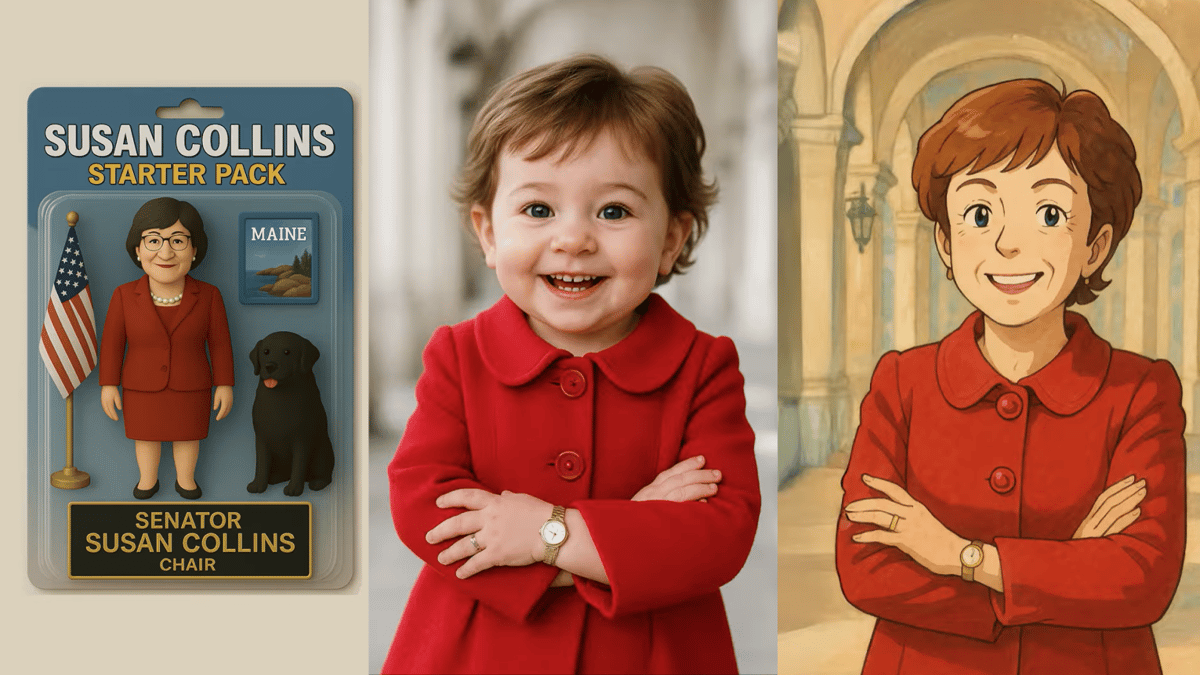
As Republicans Embrace AI in Campaigning, Democrats Bet on a Backlash
Companies Mentioned
Why It Matters
The split in AI adoption creates a competitive advantage for Republicans while exposing Democrats to regulatory and reputational risks, potentially influencing voter trust and campaign effectiveness.
Key Takeaways
- •GOP openly adopts AI for ads, deepfakes, cost savings.
- •Democrats restrict AI use, favor Gemini, worry about ethics.
- •Legislation lets candidates sue over deceptive AI political ads.
- •NRSC’s AI tactics provoke backlash yet improve campaign efficiency.
- •Voters divided between AI optimism and AI‑skepticism.
Pulse Analysis
The 2026 election cycle marks the first U.S. campaign season where artificial‑intelligence tools are deployed at scale. Republican operatives, from the NRSC to individual Senate races, are leveraging AI‑generated video, synthetic imagery, and automated copy to produce ads in hours that once required weeks of studio work. The technology slashes production budgets, allowing campaigns to stretch donor dollars while flooding voters with hyper‑personalized content. This rapid adoption mirrors broader industry trends where AI is reshaping media creation, but it also raises questions about authenticity and the erosion of traditional fact‑checking processes.
Democratic strategists are moving more cautiously. The DNC has officially sanctioned only Google’s Gemini model for internal analytics and coding, avoiding the broader marketplace of generative tools. At the same time, progressive lawmakers are introducing bills that would let candidates sue over "materially deceptive" AI‑generated political ads, reflecting fears that deepfakes could undermine public trust and displace creative workers. The party’s hesitancy is rooted in ethical concerns, potential backlash from artist communities, and a desire to avoid the perception of weaponizing misinformation.
Voter sentiment adds another layer of complexity. Polls show a sizable bloc of Americans uneasy about AI’s societal impact, while another segment celebrates its efficiency and novelty. Republicans are betting that their AI‑heavy approach will resonate with the former group by framing Democrats as out‑of‑touch, whereas Democrats hope an "artisanal" stance will appeal to AI‑skeptics. The outcome will likely influence not only the immediate election results but also future regulatory frameworks governing political AI use, making the current strategic divide a pivotal moment for American campaign politics.
As Republicans embrace AI in campaigning, Democrats bet on a backlash
Comments
Want to join the conversation?
Loading comments...