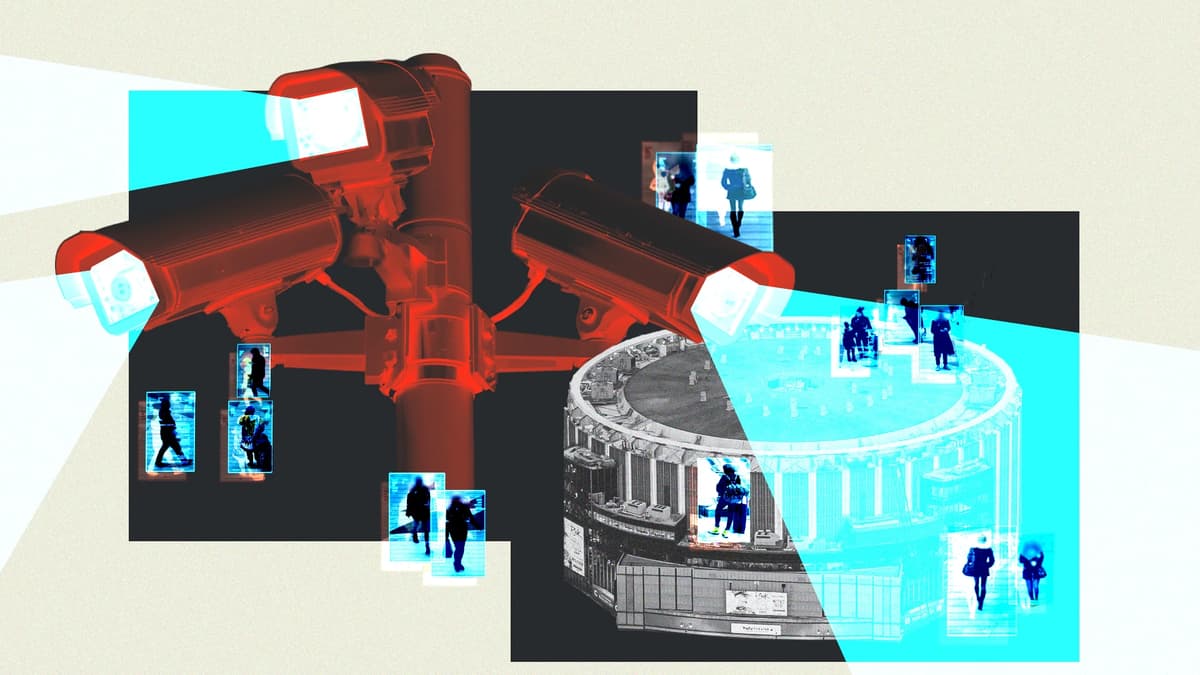
At the World’s Most Famous Arena, New Report Says, a Complex Surveillance System Tracks Fans
Why It Matters
The case spotlights how private venue operators can weaponize biometric data, raising legal and ethical concerns about privacy, discrimination, and corporate overreach in the entertainment industry.
Key Takeaways
- •MSG uses facial recognition to create internal watch lists.
- •Fans barred for personal grievances, not security threats.
- •Transgender fan tracked for two years, detailed movement logs.
- •Lawsuit alleges fabricated stalking claim led to ban.
- •Industry scrutiny grows over biometric surveillance in venues.
Pulse Analysis
The rise of biometric monitoring in large‑scale venues reflects a broader shift toward data‑driven security, but MSG’s implementation pushes the envelope. By integrating facial‑recognition cameras with a proprietary Threat Management Group, the arena can flag individuals in real time, generate detailed movement logs, and enforce entry bans without transparent oversight. This capability, championed by James Dolan, mirrors similar deployments at Radio City Music Hall and the Las Vegas Sphere, signaling a growing appetite among entertainment conglomerates for granular audience control.
Privacy advocates argue that such surveillance erodes civil liberties, especially when watch lists target non‑threatening patrons. The case of Nina Richard—a transgender woman monitored for two years and ultimately excluded on a questionable stalking claim—highlights how biometric tools can be weaponized against vulnerable groups. Legal experts note that existing privacy statutes offer limited recourse against private entities, leaving affected fans to rely on employment‑type lawsuits or state consumer‑protection actions. The public backlash underscores a tension between perceived safety benefits and the right to anonymous enjoyment of cultural events.
Industry observers predict heightened regulatory scrutiny as lawmakers grapple with the balance between security and privacy. Potential measures include mandatory disclosure of biometric data use, independent audits of watch‑list criteria, and stricter consent requirements for patrons. For venue operators, adopting transparent policies and limiting data retention could mitigate reputational risk while preserving essential security functions. As biometric technologies become more affordable, the MSG saga serves as a cautionary tale for any organization contemplating pervasive surveillance in public spaces.
At the World’s Most Famous Arena, New Report Says, a Complex Surveillance System Tracks Fans
Comments
Want to join the conversation?
Loading comments...