Atlanta’s ‘Cop City’ Deploys AI Surveillance, Sparking Civil‑Rights Outcry

Why It Matters
The rollout of AI‑powered surveillance at Cop City illustrates how municipal policing is moving from reactive to predictive, data‑driven operations. By embedding facial‑recognition, license‑plate readers and real‑time analytics into everyday streets, cities can monitor citizens continuously, raising profound questions about constitutional protections, data governance and algorithmic bias. The project also highlights the intersection of technology with environmental justice, as the loss of urban forest land compounds heat and health risks for already vulnerable communities. If Atlanta’s model spreads, it could accelerate a national shift toward AI‑centric policing, potentially reshaping the balance between public safety and civil liberties. The outcome of any legal or legislative pushback will set precedents for how AI is regulated in law‑enforcement contexts, influencing everything from funding allocations to community trust in police institutions.
Key Takeaways
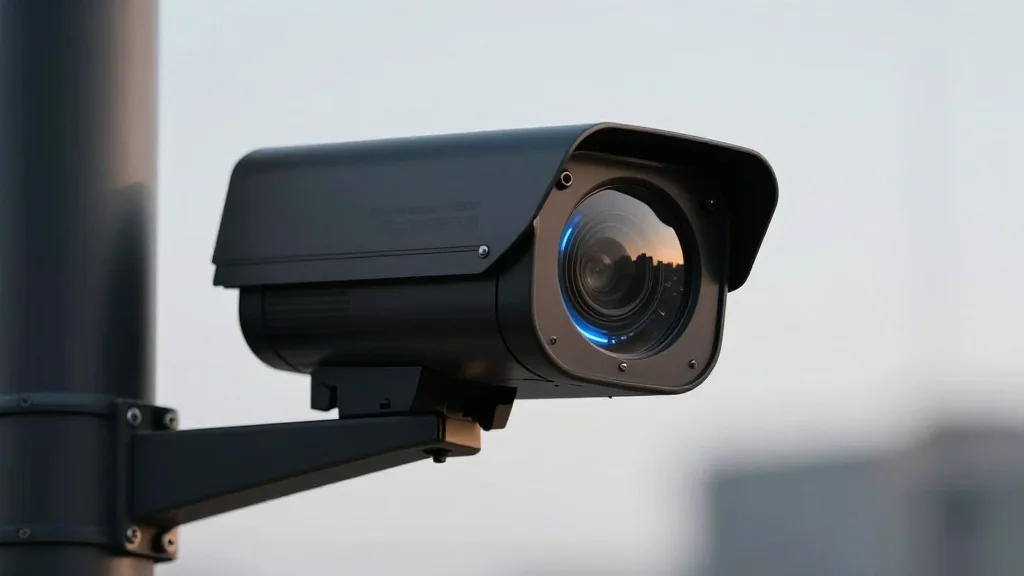
- •Cop City links to >60,000 cameras, creating the densest U.S. municipal surveillance network.
- •2025 study: ~124 cameras per 1,000 Atlanta residents, surpassing most global cities.
- •AI tools flag “suspicious” movements in real time, even without a crime report.
- •Residents report privacy invasion and heightened environmental concerns.
- •Civil‑rights groups warn the model could be exported to police departments nationwide.
Pulse Analysis
Atlanta’s Cop City represents a watershed in the commercialization of AI for public safety, moving the technology from experimental pilots to a fully integrated municipal infrastructure. Historically, police departments have adopted surveillance tools incrementally—first CCTV, then license‑plate readers, and now facial‑recognition and predictive analytics. The scale of Atlanta’s deployment compresses this evolution into a single, city‑wide system, effectively turning the entire metro area into a live data lab.
The financial incentives for vendors are significant. Georgia‑based surveillance firms can showcase a turnkey solution that includes hardware, software, and training, positioning Atlanta as a showcase for sales pitches to other jurisdictions. This creates a feedback loop: as more cities adopt the model, the market for AI policing tools expands, driving further investment in algorithms that prioritize detection over due process. The risk is that algorithmic bias—already documented in facial‑recognition systems—will be amplified when applied at city scale, disproportionately affecting Black and low‑income neighborhoods.
Politically, the project pits public‑safety narratives against civil‑rights advocacy. While officials argue that AI tools improve response times and deter crime, opponents highlight the erosion of anonymity and the potential for chilling effects on lawful protest. The lack of city comment suggests a strategic silence, perhaps to avoid inflaming public debate before any legal rulings. Future court decisions on the constitutionality of continuous AI surveillance will likely shape not only Atlanta’s trajectory but also the national regulatory framework for AI in policing.
Atlanta’s ‘Cop City’ Deploys AI Surveillance, Sparking Civil‑Rights Outcry
Comments
Want to join the conversation?
Loading comments...