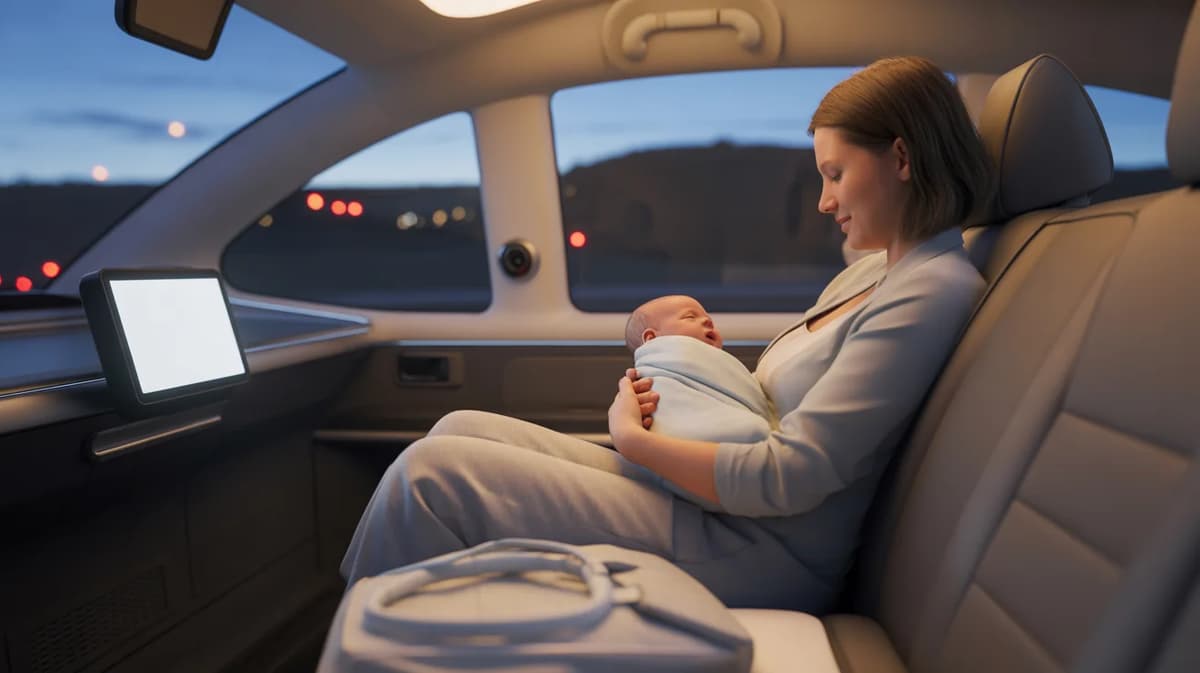
Baby Delivered in Waymo Continues Proud Tradition of Not Making It to the Hospital
•December 11, 2025
0



Why It Matters
The incident underscores gaps in autonomous‑vehicle emergency protocols and could shape regulatory scrutiny, while influencing public confidence in driverless technology.
Key Takeaways
- •Waymo robotaxi delivered baby en route to UCSF.
- •Remote monitoring flagged activity, 911 called before arrival.
- •Incident highlights need for autonomous emergency response protocols.
- •Prior similar births occurred in Uber and Waymo vehicles.
- •Company removed vehicle for cleaning, no injuries reported.
Pulse Analysis
For decades, expectant mothers have turned to taxis and rides‑hailing services as a last‑minute solution when labor strikes. Those stories—ranging from an Uber birth in India to a Shabbat‑time delivery in California—have become urban folklore. The latest chapter arrives in the age of autonomy, where a Waymo robotaxi in San Francisco became the delivery vehicle for a newborn. This event not only highlights the unpredictable nature of human biology but also places driverless technology in an unexpected spotlight, prompting questions about how autonomous platforms handle life‑critical moments.
Waymo’s response was swift: its remote operations center flagged the anomaly, contacted 911, and continued to the hospital, arriving before first responders. While the company praised the rarity of the occurrence, the episode reveals a blind spot in current autonomous‑vehicle safety frameworks—namely, the lack of built‑in medical emergency procedures. Integrating biometric sensors, real‑time health alerts, or direct communication channels with emergency services could transform a reactive model into a proactive one, reducing risk for passengers in critical conditions.
Regulators and industry peers are likely to scrutinize the incident as a test case for autonomous‑vehicle liability and public safety standards. If similar events multiply, legislators may mandate explicit emergency‑response protocols for driverless fleets, influencing vehicle design and insurance models. For consumers, the narrative could sway perception: some may view the successful delivery as a testament to Waymo’s reliability, while others may see it as a cautionary tale about entrusting life‑changing moments to machines. Ultimately, the birth in a Waymo car serves as a catalyst for deeper dialogue on the intersection of autonomous mobility and human health.
Baby delivered in Waymo continues proud tradition of not making it to the hospital
0
Comments
Want to join the conversation?
Loading comments...