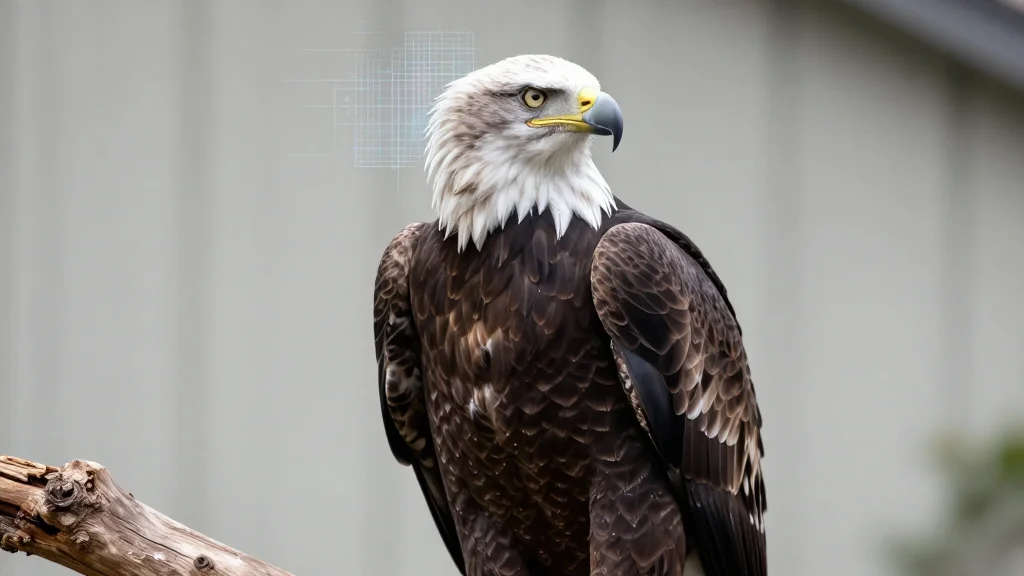
Bald Eagle 'Massaging' Its Mate? AI Deepfakes Collide with the Laws of the Wild
Why It Matters
Misinformation from AI wildlife videos threatens public safety, erodes trust in genuine conservation messaging, and creates uncertain copyright battles for creators and nonprofits.
Key Takeaways
- •AI-generated wildlife videos garner millions of views on social platforms.
- •Misleading clips can distort public perception of animal behavior and risk.
- •Copyright claims for livestreams depend on human creative choices, not raw footage.
- •Conservation groups fear deepfakes may lower donations and volunteer support.
- •Current law offers little remedy for fake animal images or likenesses.
Pulse Analysis
The surge of AI‑driven deepfake videos featuring animals has turned social media feeds into a virtual safari of fabricated moments. From eagles appearing to massage their mates to bunnies bouncing on trampolines, creators exploit the hyper‑realistic quality of generative models to capture attention and ad revenue. Platforms amplify these clips through algorithmic recommendation, making them indistinguishable from genuine trail‑camera footage and driving billions of cumulative views across YouTube, Instagram and TikTok.
Beyond entertainment, the misinformation ripple effects are profound for wildlife conservation. Viewers who mistake fabricated rescues for real may underestimate the danger of approaching predators, leading to unsafe encounters that jeopardize both humans and animals. Moreover, research published in Conservation Biology suggests that false narratives of abundant or docile wildlife can dampen urgency to support habitat protection, potentially reducing donations and volunteer participation for NGOs. The psychological fatigue of sifting through fake content also erodes trust in legitimate nature media, undermining the growing trend of using live animal streams for mental‑health benefits.
Legal frameworks lag behind the technology. While nonprofits like Friends of Big Bear Valley argue that human‑directed livestreams qualify for copyright protection, enforcement remains costly and uncertain, especially when AI systems remix existing footage. Current U.S. law offers limited recourse for the misuse of animal likenesses, leaving creators vulnerable to infringement without clear remedies. As AI tools become more accessible, stakeholders—from ecotourism operators to policymakers—must develop clearer guidelines and robust verification mechanisms to preserve the integrity of wildlife storytelling in the digital age.
Bald eagle 'massaging' its mate? AI deepfakes collide with the laws of the wild
Comments
Want to join the conversation?
Loading comments...