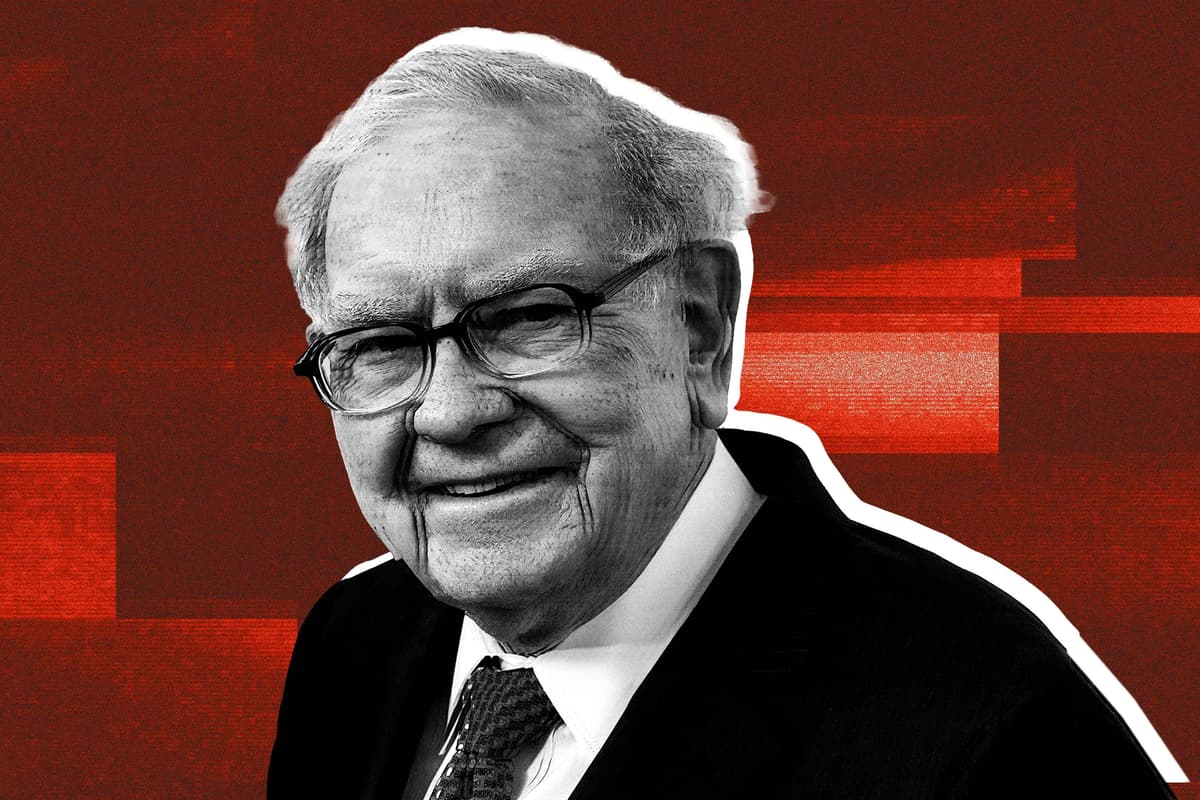
Berkshire Hathaway Just Used a Warren Buffett Deepfake to Warn About AI
Companies Mentioned
Why It Matters
The demonstration signals that AI‑generated fraud is a strategic risk for even the world’s largest, cash‑rich corporations, prompting a reassessment of cyber‑defense priorities across industries.
Key Takeaways
- •Berkshire used a Buffett deepfake to demonstrate AI‑driven cyber risk.
- •CEO Greg Abel highlighted the threat despite $400 B cash reserves.
- •AI‑generated scams surged over 1,200% in 2025, per estimates.
- •Buffett warned earlier about deepfakes fooling investors and executives.
- •Companies must invest in detection tools as AI arms race intensifies.
Pulse Analysis
Berkshire Hathaway’s annual shareholder meeting turned into a live case study on AI‑enabled deception when Greg Abel unveiled a hyper‑realistic deep‑fake of Warren Buffett. The video, crafted from publicly available footage and voice samples, showed the legendary investor addressing the crowd despite never recording new material. By staging the stunt, Berkshire highlighted a stark reality: sophisticated synthetic media can bypass traditional verification methods, putting assets worth trillions and billions of dollars at risk. The move aligns with Buffett’s own cautions from previous meetings, where he described encountering convincing deep‑fakes that could trick even seasoned investors.
The broader landscape of AI‑driven fraud is accelerating. Industry analysts estimate that AI‑facilitated scams exploded by more than 1,200% in 2025, a surge driven by advances in voice cloning, video synthesis, and large‑language models. These tools enable criminals to impersonate CEOs, board members, and financial advisors with alarming fidelity, leading to fraudulent wire transfers and reputational damage. Buffett’s earlier remarks about being duped by a deep‑fake underscore the vulnerability of even the most vigilant executives, while Abel’s demonstration serves as a warning bell for the entire corporate ecosystem.
In response, firms are racing to embed deep‑fake detection into their security stacks, combining biometric verification, blockchain‑based provenance, and AI‑based anomaly detection. Governance bodies are also revising policies to require multi‑factor authentication for any financial instruction, regardless of perceived source authenticity. As the AI arms race intensifies, the ability to distinguish genuine communication from synthetic mimicry will become a core competency for risk officers, investors, and regulators alike, shaping the next frontier of corporate cyber resilience.
Berkshire Hathaway Just Used a Warren Buffett Deepfake to Warn About AI
Comments
Want to join the conversation?
Loading comments...