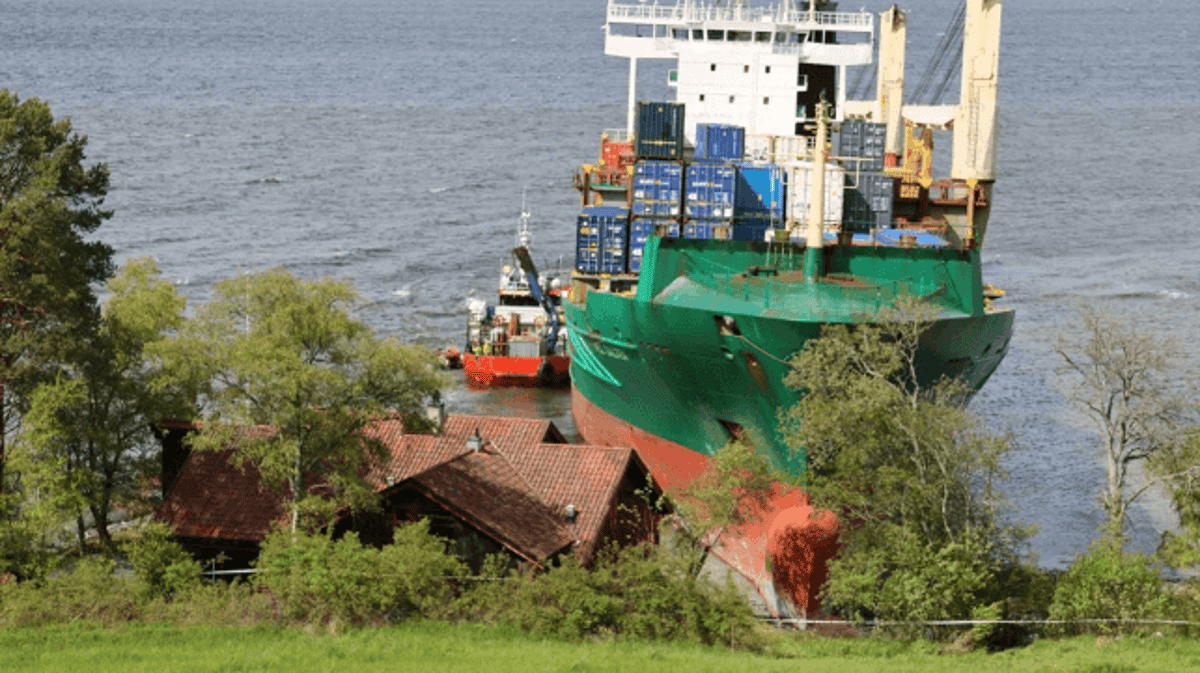
Book Review: How Can We Keep Humans in Control of Autonomous Systems?
Companies Mentioned
Why It Matters
Ensuring human oversight in autonomous maritime operations reduces accident risk and aligns with emerging EU AI regulations, protecting lives and commercial interests. The book provides a practical roadmap for industry players to embed safety from the outset.
Key Takeaways
- •Book defines “Meaningful Human Control” for autonomous maritime systems
- •Safety must be integrated early, not added post‑development
- •MIDAS project backs research linking humans, AI, and maritime safety
- •Open Access release enables free global download and reuse
- •Regulators in Europe emphasize human oversight in AI‑driven operations
Pulse Analysis
Autonomous ships and remotely operated maritime platforms are moving from prototype to commercial deployment, promising lower fuel consumption, reduced crew costs, and expanded operational reach. Yet the shift introduces complex safety questions because decision‑making moves from human hands to algorithms that may lack contextual awareness. Industry leaders therefore recognize that traditional safety checks, which are applied after a system is built, are insufficient for AI‑driven vessels that operate in congested, weather‑variable waters.
The book *Safety by Design* centers on the “Meaningful Human Control” framework, which insists that operators retain situational awareness, authority to intervene, and the ability to override automated functions. By embedding these principles early in the design cycle, developers can align technology, organizational processes, and human work practices, reducing the likelihood of accidents similar to those seen in aviation and rail. The approach dovetails with emerging European AI regulations that mandate human oversight for high‑risk systems, making it both a safety and compliance tool.
The research behind the book is anchored in Norway’s MIDAS project, a national competence initiative that unites NTNU, SINTEF Digital, DNV, and several maritime clusters. Funding and collaboration through MIDAS accelerate the creation of standards and training that keep Norwegian firms at the forefront of autonomous maritime innovation, supporting export growth. Because the text is released under a Creative Commons BY 4.0 licence, engineers, policymakers, and educators worldwide can freely access and adapt the guidance, amplifying its impact across the global shipping sector.
Book Review: How Can We Keep Humans in Control of Autonomous Systems?
Comments
Want to join the conversation?
Loading comments...