Boost for Artists in AI Copyright Battle as only 3% Back UK Active Opt-Out Plan
•December 16, 2025
0
Why It Matters
Stronger copyright licensing could force AI firms to negotiate payments, safeguarding revenue for creators and shaping the future regulatory landscape for AI training data.
Key Takeaways
- •95% of respondents demand stronger copyright licensing
- •Government dropped active opt‑out proposal after backlash
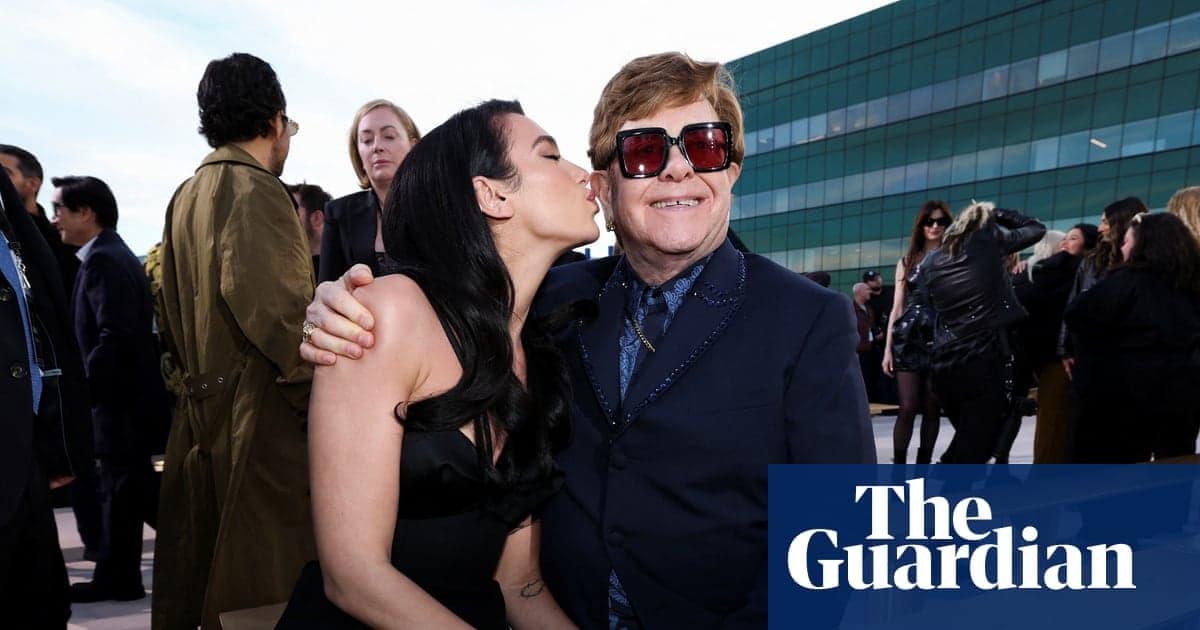
- •Artists like Elton John and Dua Lipa lead campaign
- •Policy proposals expected by March 18, 2026
- •Licensing model could unlock investment for UK creative sector
Pulse Analysis
The UK’s latest copyright consultation underscores a tipping point in the AI‑training data debate. With more than 10,000 stakeholders weighing in, an overwhelming 95% called for reinforced copyright rules and compulsory licensing for any use of creative works in AI models. The response dwarfs the mere 3% who favored the government’s initial active opt‑out approach, signalling that artists, publishers, and the broader cultural sector view unrestricted data scraping as a direct threat to their livelihoods. High‑profile supporters—including Elton John, Dua Lipa, and Paul McCartney—have amplified the message, turning a technical policy issue into a public‑facing campaign that pressures legislators to act.
For AI developers, the shift toward mandatory licensing reshapes cost structures and risk assessments. Instead of assuming free access to vast corpora of music, literature, and film, firms will need to negotiate clear agreements with rights holders, potentially creating a new revenue stream for the creative economy. This aligns with broader international trends, as the United States pushes a more permissive stance while European regulators move toward stricter data‑use safeguards. A licensing framework could also improve model transparency and trust, as AI systems built on compensated, consented data are less likely to inherit copyright infringements or bias.
Looking ahead, the UK government’s commitment to deliver policy proposals by March 2026 will set a benchmark for other jurisdictions. If the forthcoming regulations codify licensing requirements, they could catalyse investment in high‑quality, rights‑cleared datasets, bolstering the UK’s position as a hub for responsible AI innovation. Creators stand to gain a sustainable income source, while AI companies may benefit from clearer legal certainty, fostering a collaborative ecosystem where technology and the arts thrive together.
Boost for artists in AI copyright battle as only 3% back UK active opt-out plan
0
Comments
Want to join the conversation?
Loading comments...