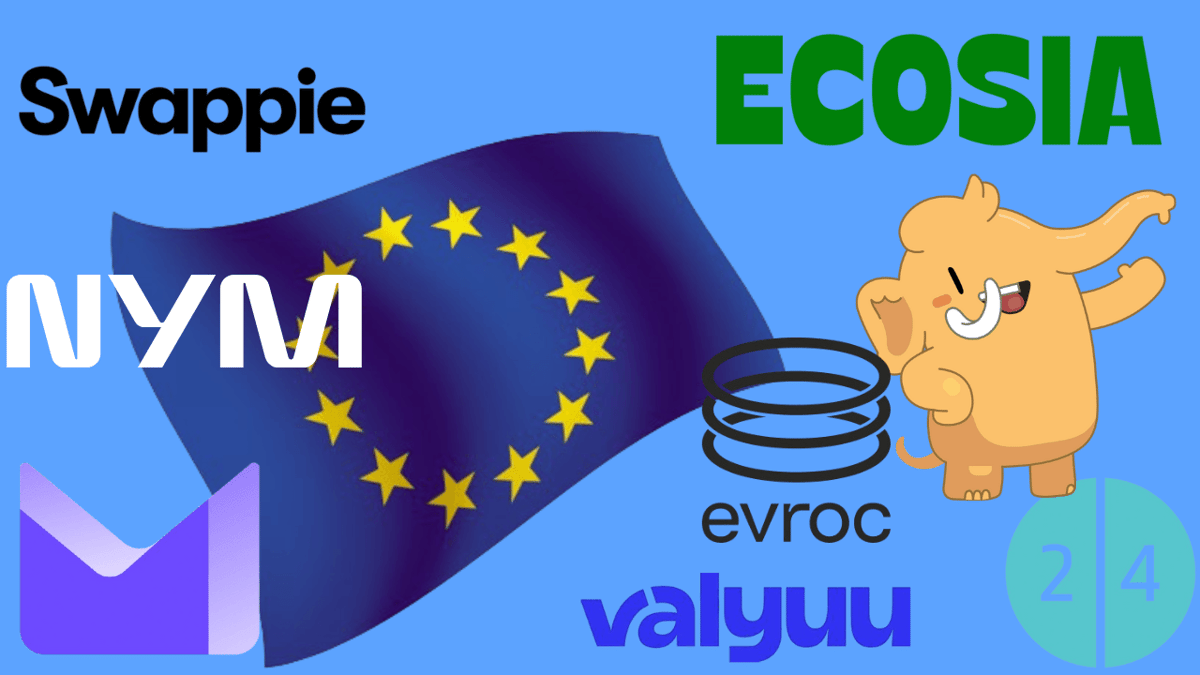
Building a European Digital Stack: The Alternatives to US Big Tech You Should Know
•January 23, 2026
0
Why It Matters
Reducing reliance on US platforms safeguards data privacy, regulatory compliance and strategic autonomy for European businesses. The shift also fuels a competitive market for home‑grown digital infrastructure.
Key Takeaways
- •EU pushes open-source alternatives to US cloud giants
- •Sovereign Tech Fund allocated €23M to digital infrastructure
- •European AI startups focus on privacy‑first models
- •Regulations and geopolitics accelerate digital sovereignty push
- •Circular economy marketplaces expand across European hardware
Pulse Analysis
For over a decade, Europe’s digital economy has leaned on US giants for everything from cloud storage to generative AI. That dependency is now a strategic liability as tighter data‑privacy rules, trade frictions and the geopolitical scramble for AI leadership converge. Policymakers view control over foundational layers—not just convenience—as essential to protect citizens’ data and preserve economic independence. The European Commission’s latest open‑source consultation underscores this shift, urging developers to build services that respect EU values of privacy, sovereignty and resilience.
Across the continent, a diverse set of companies is emerging as viable substitutes. In cloud services, firms such as Estonia’s Crypt.ee and Sweden’s Evroc offer hyperscale infrastructure, while Germany’s Hetzner and Open Telekom Cloud provide public‑sector‑grade options. AI and foundation‑model players like Germany’s Aleph Alpha and France’s Mistral AI deliver privacy‑first, sovereign language models. Collaboration, messaging and productivity tools—from France’s OnlyOffice to Switzerland’s Proton—are gaining traction as GDPR‑compliant alternatives. Even search, mapping and marketplace services are being re‑imagined through privacy‑centric browsers, open‑source maps and circular‑economy platforms, creating a full‑stack ecosystem that can operate independently of US platforms.
The momentum is reinforced by public‑sector investment. Germany’s Sovereign Tech Fund, backed by the Federal Ministry for Economic Affairs, has already poured €23 million into more than 60 open‑source projects, treating digital infrastructure as a public good rather than a by‑product of innovation. For European enterprises, adopting these home‑grown solutions can reduce compliance risk, lower exposure to foreign regulatory changes, and tap into a growing market of sovereign technology. As the EU tightens its digital strategy, the rise of a self‑sufficient stack promises both economic resilience and a new competitive edge for businesses that act now.
Building a European digital stack: The alternatives to US big tech you should know
0
Comments
Want to join the conversation?
Loading comments...