Building AI Infrastructure Communities Can Actually Support
Why It Matters
Without community buy‑in, AI infrastructure cannot scale to meet demand, threatening the sector's growth trajectory. Sustainable, low‑impact data centers also create a competitive edge by reducing operating costs and regulatory friction.
Key Takeaways
- •$64 bn AI data center projects delayed by community opposition.
- •Liquid cooling can slash energy use >80% and water consumption.
- •Modular, containerized data centers reduce footprint and noise.
- •Early community engagement builds trust and eases permitting.
- •Sustainable design becomes a competitive differentiator for AI operators.
Pulse Analysis
The United States is witnessing an unprecedented surge in AI‑driven workloads, prompting developers to race for new data‑center capacity. Yet more than $64 billion worth of projects have been stalled or cancelled after local residents objected to the projected strain on electricity grids, water supplies, and air quality. These community concerns are not rooted in technophobia but in tangible experiences of higher utility bills and environmental degradation. As AI models become more compute‑intensive, the bottleneck is shifting from silicon shortages to the social license required to site the supporting infrastructure.
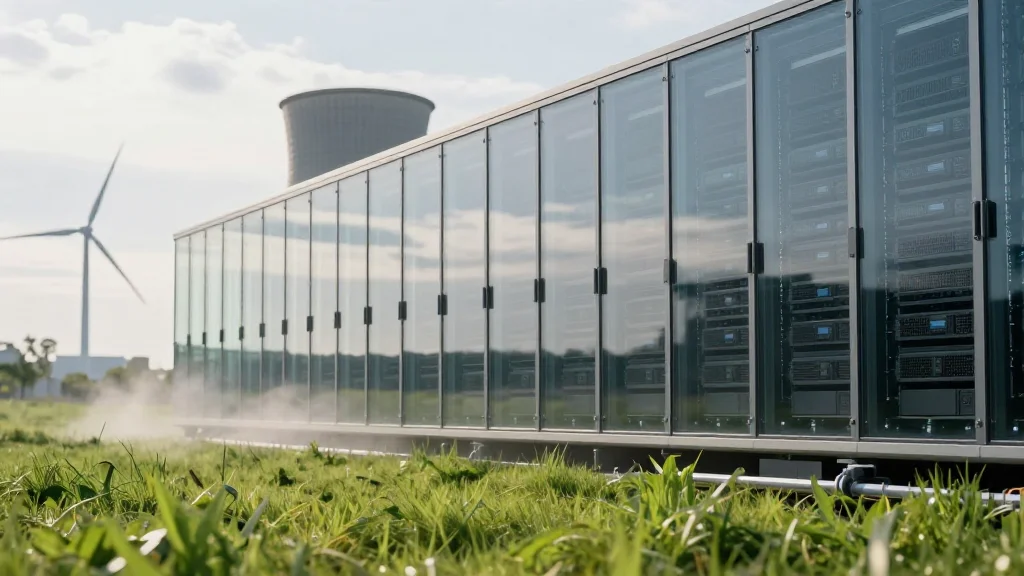
Emerging cooling technologies offer a practical path to reconciling performance with community acceptance. Advanced liquid‑cooling loops can capture and reuse heat, cutting cooling‑related electricity consumption by more than 80 percent while slashing water use to a fraction of traditional evaporative systems. This efficiency enables smaller, modular facilities—often housed in shipping containers—that can be deployed closer to end‑users without overwhelming local grids or generating excessive noise. By reducing the physical and environmental footprint, these designs make it feasible to locate AI infrastructure in suburban or even urban settings that were previously off‑limits.
Companies that embed sustainability into their core strategy will turn environmental stewardship into a market advantage. Early, transparent dialogue with municipalities—presenting credible energy‑efficiency plans, local job‑training programs, and measurable climate benefits—can secure permits faster and lower opposition costs. Policymakers, meanwhile, are beginning to draft incentives for low‑impact data centers, recognizing their role in regional economic development. As the AI economy matures, firms that master the blend of cutting‑edge cooling, modular deployment, and community partnership will capture the most profitable locations and set the standard for responsible AI infrastructure.
Building AI infrastructure communities can actually support
Comments
Want to join the conversation?
Loading comments...