ByteDance Suspends Seedance 2 Feature That Turns Facial Photos Into Personal Voices Over Potential Risks
•February 11, 2026
0
Companies Mentioned

Why It Matters
The ability to synthesize personal voices from images raises severe privacy and fraud risks, prompting regulators and platforms to reevaluate AI safeguards. ByteDance’s suspension signals industry‑wide pressure to balance innovation with ethical responsibility.
Key Takeaways
- •Seedance 2.0 merges up to nine images, three videos, audios
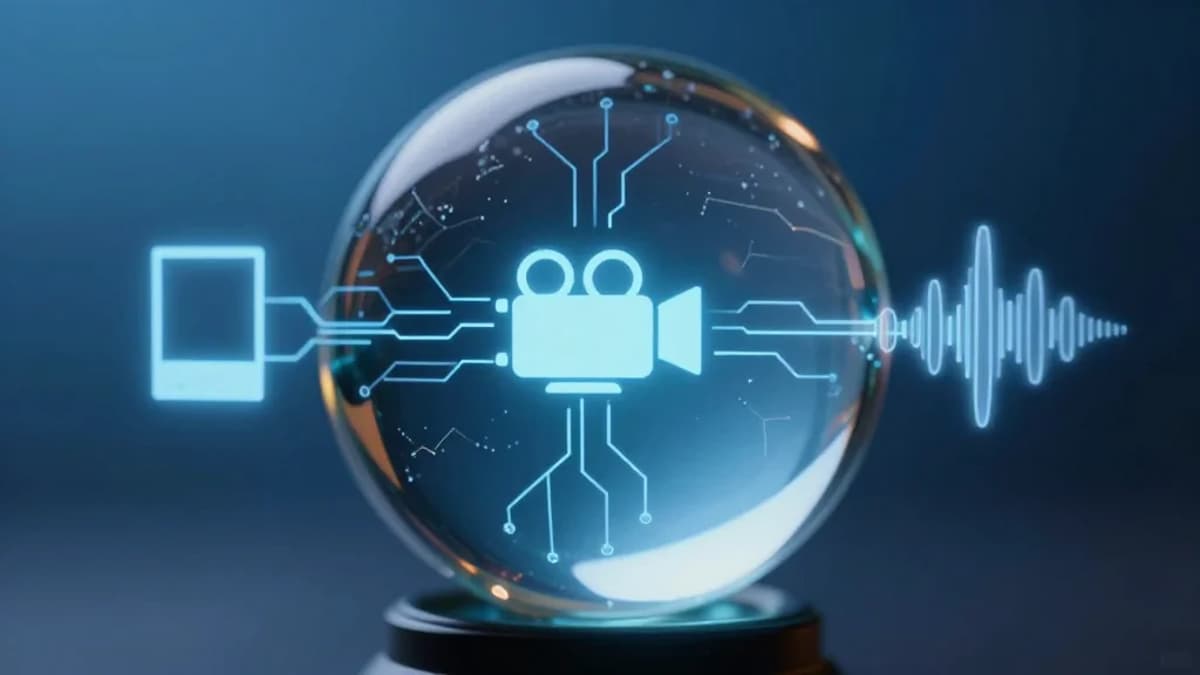
- •Facial-to-voice model reproduces personal voice from a single photo
- •Founder Pan Tianhong’s test produced near‑identical voice without consent
- •ByteDance disabled the feature due to privacy and misuse concerns
- •AI video generator outputs 4‑60 second clips with auto sound
Pulse Analysis
The rapid rise of generative AI has turned video creation into a commodity, and platforms like ByteDance’s Seedance 2.0 are at the forefront. By allowing creators to combine images, video snippets, audio tracks and text, the service can produce polished clips in seconds, a capability that rivals Western rivals such as Runway and Meta’s Make‑It‑Real. This democratization fuels content pipelines for marketers, influencers, and enterprises seeking to scale visual storytelling without large production budgets.
What set Seedance apart—and ultimately caused its setback—was the facial‑to‑voice module that could infer a speaker’s timbre from a single portrait. Researchers demonstrated that the model reconstructed a voice indistinguishable from the subject’s, even without any recorded speech. Such technology blurs the line between legitimate personalization and malicious deep‑fake creation, opening doors to identity theft, voice‑phishing, and unauthorized impersonation. Privacy advocates argue that extracting biometric data from publicly shared photos violates emerging data‑protection norms, especially in jurisdictions tightening consent requirements.
ByteDance’s decision to pull the feature reflects a broader industry reckoning. Companies like Google, Apple and OpenAI are introducing watermarking, usage‑tracking, and stricter API controls to mitigate misuse. Regulators in the EU and China are drafting legislation that could classify voice synthesis as high‑risk AI, demanding transparency and user consent. As the market matures, firms that embed robust ethical safeguards while maintaining creative flexibility are likely to capture the next wave of AI‑driven media production.
ByteDance Suspends Seedance 2 Feature That Turns Facial Photos Into Personal Voices Over Potential Risks
0
Comments
Want to join the conversation?
Loading comments...