Can AI Help Predict How You Might Be Feeling in the Future?
Why It Matters
Accurate emotion forecasting could shift mental‑health treatment from reactive to preventive, enabling clinicians to tailor interventions before crises emerge.
Key Takeaways
- •Study used 34 diagnosed participants, surveyed five times daily for two weeks.
- •Forecast model outperformed group baseline, predicting emotions ~1 day ahead.
- •Contentedness/cheerfulness best predicted by past-performance model; sadness/anxiousness by ensemble.
- •Individualized models needed; one size fits none for mental‑health care.
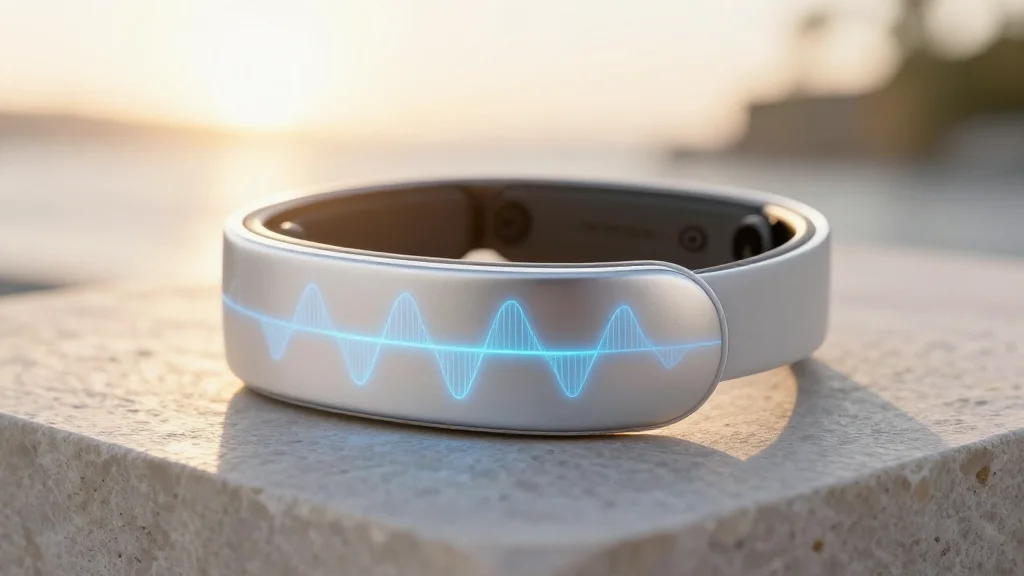
- •Future work will integrate smartphone/wearable data to improve forecasts.
Pulse Analysis
Predictive analytics have transformed sectors from meteorology to finance, but applying the same rigor to human affect is a newer frontier. In a recent pilot, Northeastern’s Computational Clinical Psychology Lab collected high‑frequency self‑reports from 34 individuals with mood‑disorder diagnoses, feeding the data into a suite of machine‑learning algorithms. By comparing each model’s output to actual reported feelings, researchers demonstrated that personalized forecasts—especially those leveraging past‑performance trends for positive emotions and ensemble methods for negative states—can reliably anticipate how a person will feel a day later, surpassing generic population averages.
The clinical upside of such foresight is substantial. If a system can signal an upcoming dip into sadness or heightened anxiety, therapists and digital health platforms could intervene with targeted coping strategies, medication adjustments, or supportive messaging before symptoms intensify. This mirrors weather forecasting: a short‑term outlook informs preparation, while longer‑range predictions remain probabilistic. By moving mental‑health care toward a proactive model, providers can allocate resources more efficiently, reduce emergency visits, and empower patients with actionable insight into their own emotional trajectories.
Nonetheless, the approach faces hurdles. Emotional states are influenced by unpredictable external events—medical news, job changes, or personal loss—making long‑term accuracy elusive. Ethical concerns around data privacy, algorithmic bias, and the risk of over‑reliance on imperfect predictions must be addressed. Scaling the research will require larger, more diverse cohorts and integration of passive data streams from smartphones and wearables to capture context beyond self‑reports. As validation studies expand, the balance between technological promise and responsible deployment will determine whether emotion‑forecasting becomes a mainstream tool in mental‑health practice.
Can AI help predict how you might be feeling in the future?
Comments
Want to join the conversation?
Loading comments...