ChatGPT Can Now Use Adobe Apps to Edit Your Photos and PDFs for Free
•December 10, 2025
0
Companies Mentioned


Why It Matters
The integration lowers creative‑software barriers for millions of ChatGPT users and strengthens Adobe and OpenAI’s competitive stance against rivals such as Google Gemini.
Key Takeaways
- •Adobe adds free Photoshop, Acrobat, Express apps inside ChatGPT
- •Users edit images, PDFs via natural language prompts
- •Apps provide limited functionality, with UI sliders for fine-tuning
- •Designs open in native Adobe apps for deeper control
- •Integration counters Google Gemini and expands OpenAI’s app ecosystem
Pulse Analysis
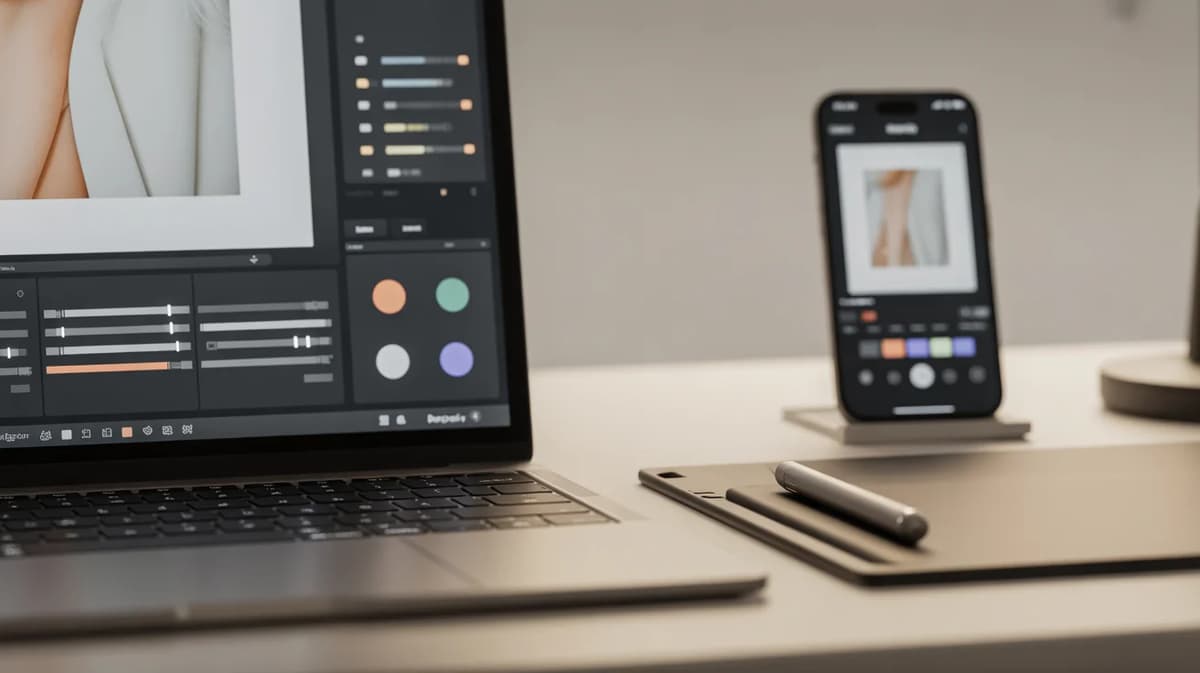
The partnership between Adobe and OpenAI brings three of Adobe’s flagship Creative Cloud tools—Photoshop, Acrobat, and Express—directly into the ChatGPT interface. Launched on December 10, 2025, the integration lets users upload an image or PDF and issue plain‑language commands such as “blur the background” or “compress this document.” The apps run on OpenAI’s server side, so no additional software installation is required, and they are offered free of charge to all ChatGPT users worldwide. This move lowers the entry barrier for casual creators who lack traditional design expertise.
While the ChatGPT‑based versions do not replicate the full desktop feature set, they cover the most common editing tasks. Photoshop can adjust exposure, apply filters, and expose slider controls for fine‑tuning; Acrobat handles text edits, page rearrangement, compression, and format conversion; Express generates and tweaks social‑media graphics, posters, and invitations. The conversational workflow remembers the selected app throughout a session, allowing multiple iterative changes without re‑typing the app name. For projects that outgrow the limited UI, users can hand off the file to the native Adobe applications with a single click, preserving continuity.
The launch is a strategic counter to Google’s Gemini, which recently added its own image‑editing AI, and reinforces OpenAI’s broader push to monetize the ChatGPT ecosystem through third‑party apps. Adobe gains a new distribution channel that showcases its cloud services to a massive AI‑first audience, potentially accelerating subscription conversions. For enterprises, the integration promises faster turnaround on marketing assets and document processing, reducing reliance on specialized staff. As AI‑driven creative tools mature, the line between conversational assistants and professional software will continue to blur, reshaping the creative workflow landscape.
ChatGPT can now use Adobe apps to edit your photos and PDFs for free
0
Comments
Want to join the conversation?
Loading comments...