China Wins the Open Model Race and the Price to Pay Goes Beyond Economics
•December 21, 2025
0
Companies Mentioned


Why It Matters
The shift redefines global AI leadership, giving China a strategic advantage while raising concerns over data provenance and geopolitical influence. Enterprises must reassess model sourcing to mitigate compliance and reputational risks.
Key Takeaways
- •China accounts for 44% of 2025 model downloads
- •US share fell below 30% for first time
- •Middlemen developers now hold 22% of downloads
- •Model transparency dropped to 39% training data disclosure
- •Chinese models risk propagating state‑aligned misinformation
Pulse Analysis
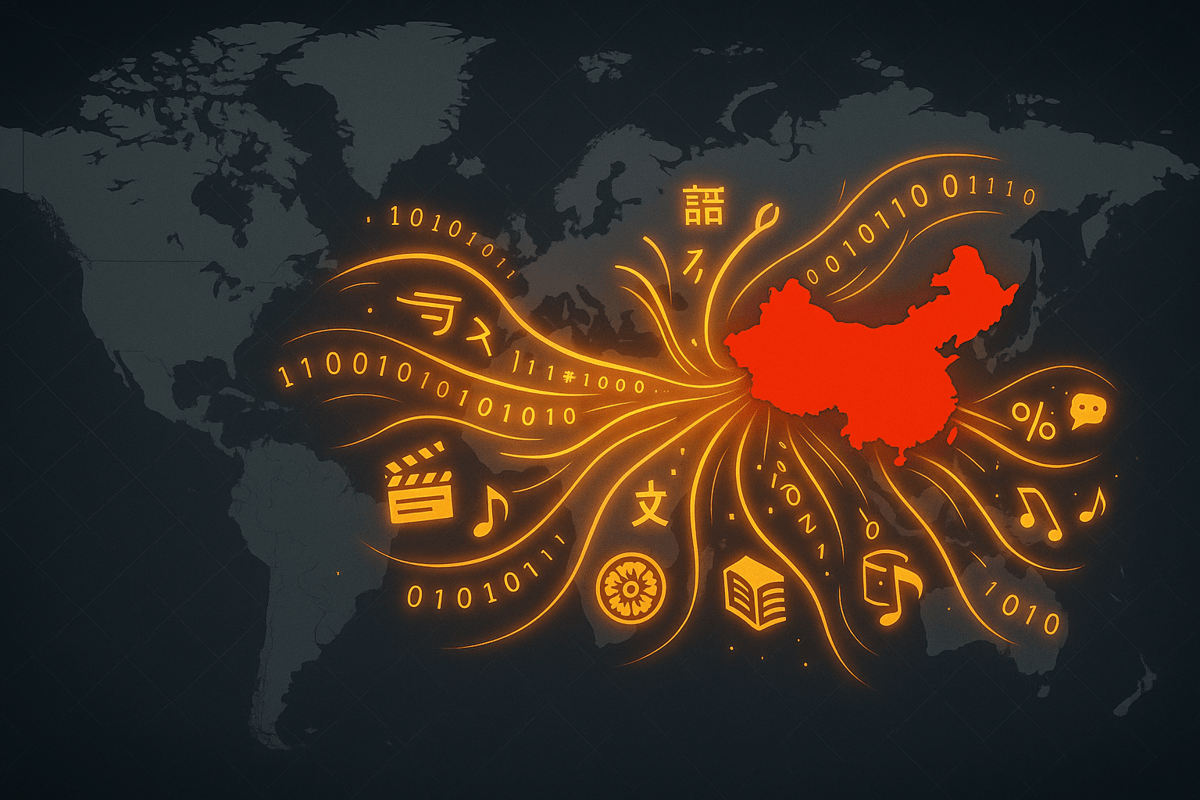
The open‑source AI landscape has undergone a rapid realignment, with Chinese firms now leading download volumes on platforms like Hugging Face. The surge is driven by Alibaba's Qwen series and Deepseek, whose combined downloads exceed 1.2 billion, dwarfing Meta's Llama performance. This momentum was catalyzed by the 2022 release of Stable Diffusion, which democratized model creation and allowed non‑U.S. teams to scale quickly. As a result, the United States, once commanding over 60 percent of downloads, now trails with less than a third of the market share.
Technical progress accompanies this market shift. Model sizes have leapt from under a billion parameters in 2023 to roughly 20 billion in 2025, enabling multimodal capabilities across text, image, audio, and video. However, the rapid expansion comes at the cost of openness: the proportion of models that fully disclose their training datasets fell from 80 percent in 2022 to just 39 percent today. Many releases now bundle restrictive licenses, limiting downstream scrutiny and raising questions about hidden biases or unsafe content embedded in the code.
The geopolitical dimension intensifies the debate. Independent analyses reveal Chinese‑origin LLMs repeat pro‑Chinese misinformation in up to 60 percent of cases, turning these models into vectors for state‑aligned narratives. Companies integrating such models into customer‑facing applications risk unintentionally amplifying propaganda, exposing them to regulatory and reputational fallout. Stakeholders must therefore balance performance gains against the need for transparent data provenance, robust governance, and diversified sourcing strategies to safeguard both ethical standards and competitive positioning.
China wins the open model race and the price to pay goes beyond economics
0
Comments
Want to join the conversation?
Loading comments...