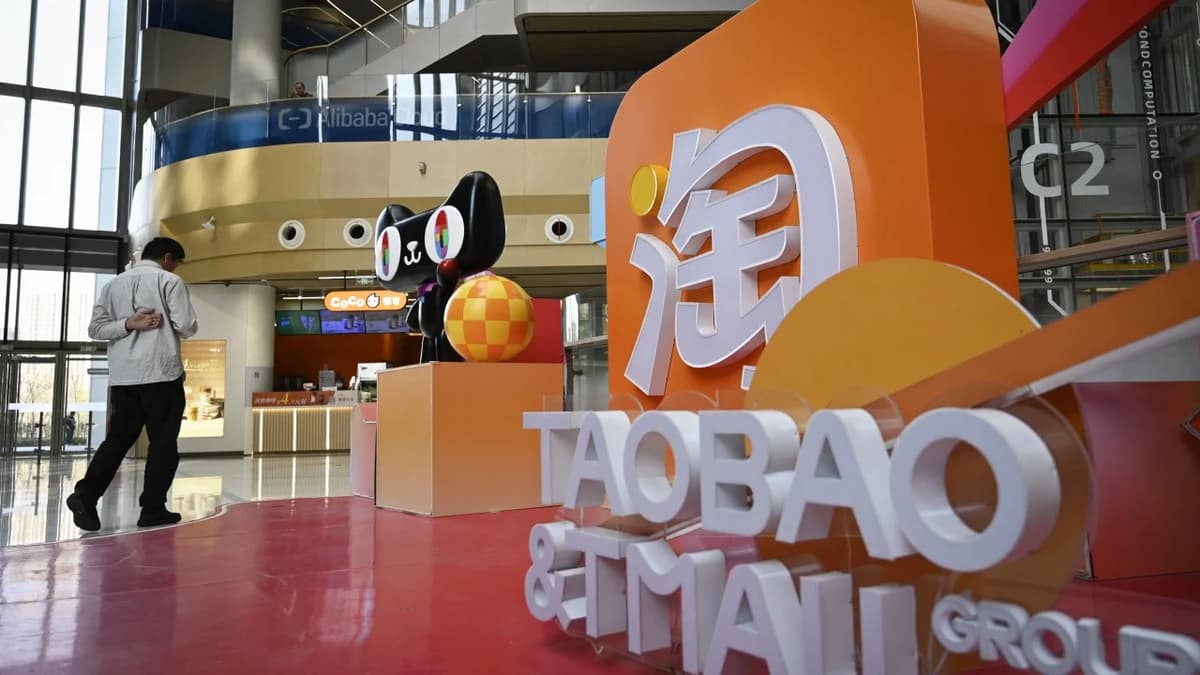
Chinese Tech Giants, From Alibaba to Tencent, Race to Dominate AI-Powered Digital Gateways
Companies Mentioned


Why It Matters
The race to control AI‑powered gateways will determine which platform dominates consumer engagement and commerce in China, shaping revenue streams and network effects for years to come.
Key Takeaways
- •Alibaba and Tencent each plan >$56B AI capex in 2026.
- •Tencent aims to embed AI agent across WeChat’s mini‑program ecosystem.
- •Alibaba’s AI shopping assistants shift e‑commerce to conversational buying.
- •Gartner forecasts China’s generative‑AI spend up 48.8% in 2026.
- •Hallucination risks could slow consumer adoption of AI‑driven gateways.
Pulse Analysis
The concept of a digital gateway has evolved from static web portals to today’s super‑apps, and AI agents are poised to be the next inflection point. In China, where 1.4 billion users rely on a handful of platforms for everything from messaging to payments, the integration of large‑language models promises to turn click‑and‑scroll interactions into fluid, conversational experiences. This shift aligns with a broader global surge in generative‑AI spending, but China’s growth rate—projected at nearly 49% in 2026—outpaces the world average, underscoring the strategic importance of early mover advantage.
Alibaba is channeling its AI budget into Taobao and other e‑commerce assets, rolling out chat‑based assistants that can understand intent, compare products, and complete purchases without manual navigation. The company’s willingness to overshoot its ¥380 billion (≈US$56 billion) capex plan signals confidence that AI‑enhanced shopping will become a primary revenue driver. Meanwhile, Tencent is leveraging WeChat’s unparalleled network effects, embedding its proprietary Hy model to power search, mini‑program recommendations, and task automation. By turning the super app into an AI‑centric hub, Tencent aims to lock in merchants and users alike, creating a self‑reinforcing ecosystem that is difficult for rivals to displace.
Despite the hype, adoption hinges on overcoming AI’s known shortcomings, particularly hallucinations that erode trust in critical transactions. Analysts caution that consumers must become "AI‑native" before fully embracing these agents, and regulatory scrutiny could add another layer of complexity. Nevertheless, investors view 2026 as a decisive year; Goldman Sachs and Gartner both highlight the race for AI gateways as a bellwether for future market leadership. Companies that successfully blend robust AI capabilities with seamless user experiences are likely to capture the lion’s share of China’s burgeoning digital economy.
Chinese tech giants, from Alibaba to Tencent, race to dominate AI-powered digital gateways
Comments
Want to join the conversation?
Loading comments...