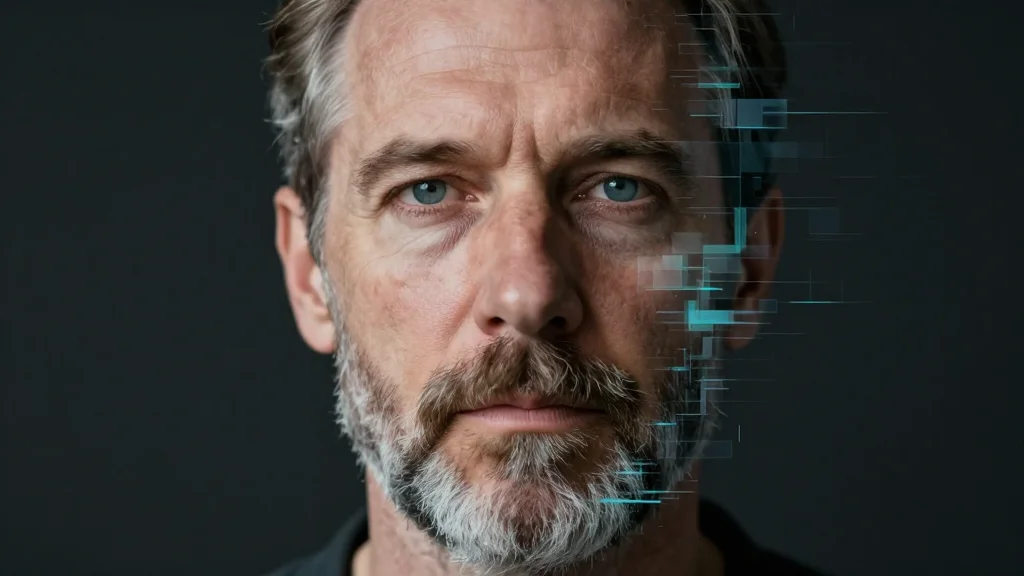
Chuck Norris' Family Condemns AI-Generated Videos After Star's Death

Why It Matters
The family's condemnation of AI‑generated videos highlights a tangible example of how deepfake technology can weaponize grief and legacy. As AI tools become more sophisticated, the potential for misinformation to spread unchecked grows, threatening not only individual reputations but also public confidence in media. The incident also spotlights the legal gray area surrounding posthumous rights, prompting lawmakers and platforms to consider new safeguards. For the broader AI ecosystem, the case illustrates the need for transparent labeling, robust detection mechanisms, and clear consent protocols. Without such measures, the line between authentic content and synthetic fabrication will continue to blur, complicating efforts to maintain an informed public sphere.
Key Takeaways
- •Chuck Norris died at age 86 on March 19, 2026.
- •His family posted an Instagram warning on April 2, 2026 against AI‑generated videos.
- •AI deepfake clips falsely depict Norris saying things he never said.
- •The incident adds pressure on platforms to curb the spread of synthetic media.
- •Legal experts warn existing rights may not cover posthumous AI portrayals.
Pulse Analysis
The Norris family’s swift response to AI‑generated misinformation is emblematic of a broader shift: celebrities and their estates are moving from passive victims to active defenders of digital identity. Historically, deepfakes were a niche concern, but the democratization of generative models like Stable Diffusion and audio synthesis tools has turned them into a mainstream threat. This case could accelerate industry standards for watermarking AI content, similar to recent initiatives by major social platforms that now flag synthetic media.
From a market perspective, the incident may spur investment in AI detection startups, as brands and rights holders seek tools to monitor and takedown unauthorized deepfakes. Venture capital has already shown appetite for such solutions, with several firms raising multimillion‑dollar rounds in the past year. Moreover, the public backlash against the Norris deepfakes could influence regulatory momentum. Lawmakers in the EU and US have introduced bills targeting deceptive AI content, and high‑profile cases like this provide concrete narratives to rally support.
Looking ahead, the key question is whether platforms will adopt proactive filters or rely on user reports. The family’s direct appeal bypasses platform moderation, suggesting a gap in current policies. If platforms fail to act, we may see a wave of litigation as estates pursue claims for defamation or violation of publicity rights. Conversely, a coordinated industry response—standardized labeling, rapid takedown protocols, and clear consent frameworks—could set a precedent that balances creative AI use with respect for personal legacy. The Norris episode is likely to be cited in future policy debates as a cautionary tale of AI’s double‑edged sword.
Chuck Norris' Family Condemns AI-Generated Videos After Star's Death
Comments
Want to join the conversation?
Loading comments...