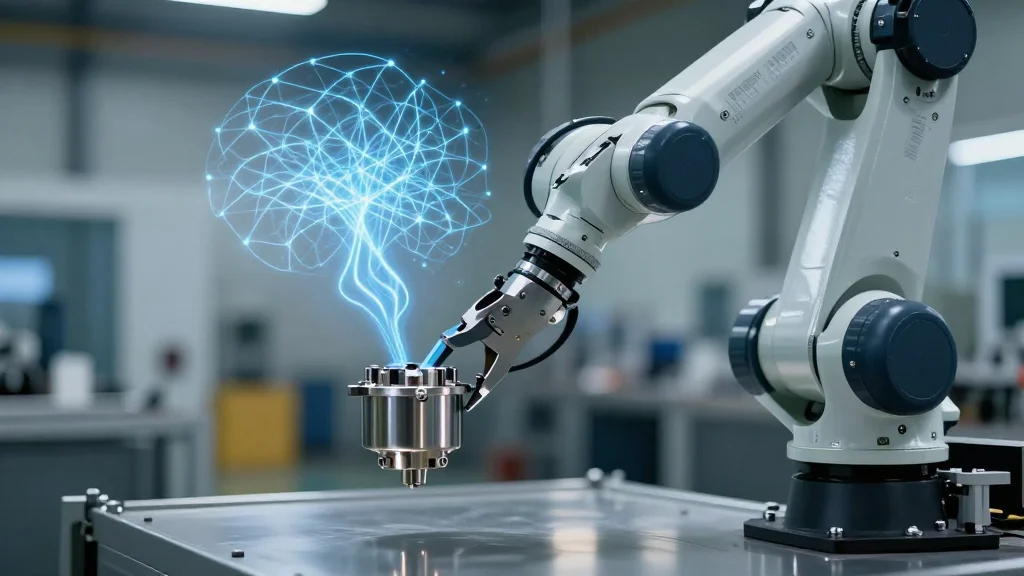
Cisco Research: Industrial AI Moves Into Physical Operations, Readiness Gaps Determine Scale
Key Takeaways
- •61% of firms run AI in live industrial settings
- •83% plan to increase AI spending this year
- •96% deem wireless networking essential for AI
- •40% cite cybersecurity as biggest scaling obstacle
- •IT/OT collaboration gaps hinder network stability for AI
Pulse Analysis
The 2026 State of Industrial AI Report marks a watershed moment as AI moves from laboratory pilots to production‑grade workloads on the factory floor. Edge compute, low‑latency connectivity and reliable wireless links are now prerequisites for machine‑vision, autonomous robotics and real‑time energy forecasting. Companies that have already embedded AI report tangible efficiency gains, but the shift also exposes legacy networking architectures that struggle to meet the deterministic performance AI demands.
Readiness gaps are the most visible barrier to scaling. The survey shows 97% of respondents expect AI to reshape network requirements, yet 51% anticipate heightened connectivity and reliability needs they are not prepared to meet. Cybersecurity concerns top the list, with 40% naming it the biggest obstacle, even as 85% believe AI can bolster threat detection. Meanwhile, only 57% report meaningful IT/OT collaboration, and organizations lacking this integration cite network instability as a critical hurdle. Bridging these gaps demands coordinated investment in secure edge infrastructure, standardized protocols and cross‑disciplinary skill development.
For executives, the report signals a strategic pivot: AI budgets will rise, but success hinges on foundational investments. Vendors offering integrated, secure, and managed edge solutions stand to capture market share, while firms that prioritize network readiness and IT/OT alignment can unlock faster ROI and maintain competitive advantage. As AI becomes a core operational layer, the ability to scale safely and reliably will define the next wave of industrial productivity gains.
Cisco Research: Industrial AI Moves into Physical Operations, Readiness Gaps Determine Scale
Comments
Want to join the conversation?