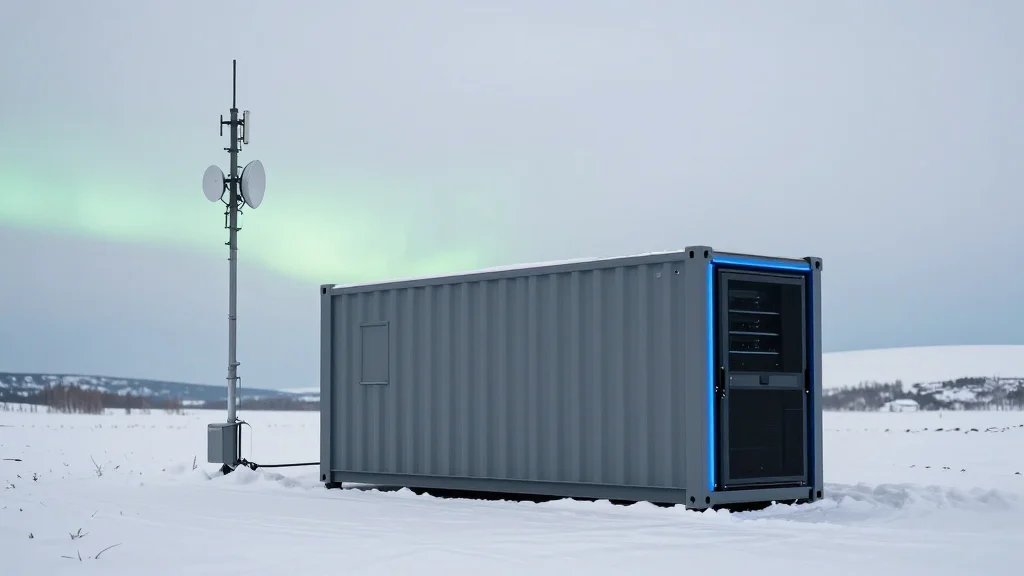
DAF Takes Steps for Potential Alaskan AI Data Centers
Why It Matters
Embedding AI data centers in Alaska gives the Air Force faster processing for mission‑critical models while capitalizing on low‑cost, green energy. The project also strengthens U.S. defense readiness and regional economic development.
Key Takeaways
- •Air Force plans AI data centers at three Alaskan bases.
- •Sites selected for low latency, abundant renewable energy.
- •Facilities aim to support high‑performance machine‑learning workloads.
- •Project could boost regional tech jobs and defense capabilities.
Pulse Analysis
Alaska’s unique geography makes it an attractive hub for next‑generation AI infrastructure. The state’s proximity to polar orbit satellites reduces data transmission latency, a critical factor for real‑time intelligence analysis. Coupled with its consistently low temperatures, the environment naturally cools high‑density server racks, lowering operational costs and extending hardware lifespans. These advantages align with the Department of the Air Force’s strategy to decentralize AI processing and reduce reliance on continental data hubs.
Beyond climate benefits, Alaska offers a growing portfolio of renewable energy sources, including wind, hydroelectric, and emerging geothermal projects. Powering AI data centers with clean energy not only cuts carbon footprints but also enhances resilience against grid disruptions—a vital consideration for mission‑critical defense workloads. The Air Force’s selection of three installations suggests a phased rollout, allowing each site to integrate tailored cooling solutions and secure network architectures that meet stringent military cybersecurity standards.
Economically, the initiative promises to inject high‑tech jobs into remote Alaskan communities, fostering a skilled workforce in fields such as data engineering, cybersecurity, and AI research. Partnerships with local utilities and technology firms could spur ancillary innovation, positioning the region as a niche AI enclave. For the broader defense sector, these centers will accelerate model training and inference, sharpening the United States’ edge in autonomous systems, predictive analytics, and rapid decision‑making across air, space, and cyber domains.
DAF takes steps for potential Alaskan AI data centers
Comments
Want to join the conversation?
Loading comments...