Why It Matters
The expansion ties digital infrastructure growth to higher carbon output, reshaping energy markets and complicating U.S. climate‑reduction targets.
Key Takeaways
- •Data centers could add 252 GW gas capacity.
- •US gas fleet may grow 50 % by 2025.
- •Over a third of new gas projects target data centers.
- •Policy rollbacks accelerate gas build‑out, hinder emissions cuts.
- •Methane leaks could offset gas’s CO₂ advantage.
Pulse Analysis
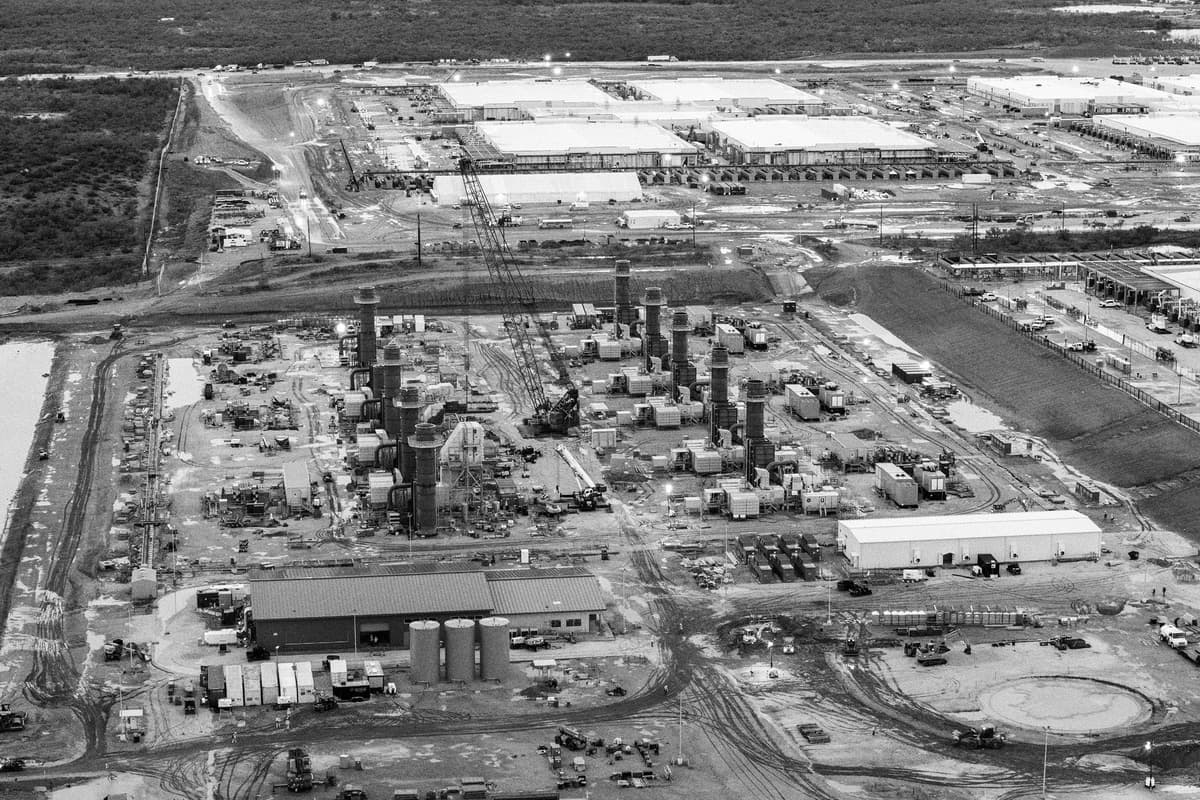
The rapid expansion of hyperscale data centers is reshaping the United States’ power landscape. Global Energy Monitor’s latest tracker shows that projects intended to feed these facilities could contribute up to 252 gigawatts of natural‑gas generation, a rise of roughly 50 percent in the nation’s gas‑fired fleet. In practical terms, that capacity could power tens of millions of homes and reflects a three‑fold increase in gas demand over the past two years. Utilities are scrambling to secure contracts, while developers increasingly consider on‑site turbines to bypass grid bottlenecks.
Regulatory shifts are amplifying the trend. The current administration has rolled back several pollution controls on power plants and eased permitting for oil and gas extraction, while also extending the operational life of coal‑fired units. These policy choices lower short‑term costs for developers but lock in emissions for decades. At the same time, state‑level filings reveal a surge in gas‑power proposals directly linked to data‑center projects, underscoring how federal deregulation is translating into tangible infrastructure pipelines.
The climate calculus remains uneasy. While natural gas burns cleaner than coal, it still accounts for about 35 percent of U.S. energy‑related CO₂ emissions, and methane leaks during extraction can be up to 80 times more potent than CO₂ over a 20‑year horizon. If the industry curtails leaks and adopts high‑efficiency turbines, the net emissions advantage over coal improves, yet the sheer scale of new capacity threatens to offset those gains. Stakeholders are therefore urging stricter leak‑detection rules and investment in renewable‑backed data‑center power to reconcile digital growth with climate goals.
Data Centers Are Driving a US Gas Boom
0
Comments
Want to join the conversation?
Loading comments...