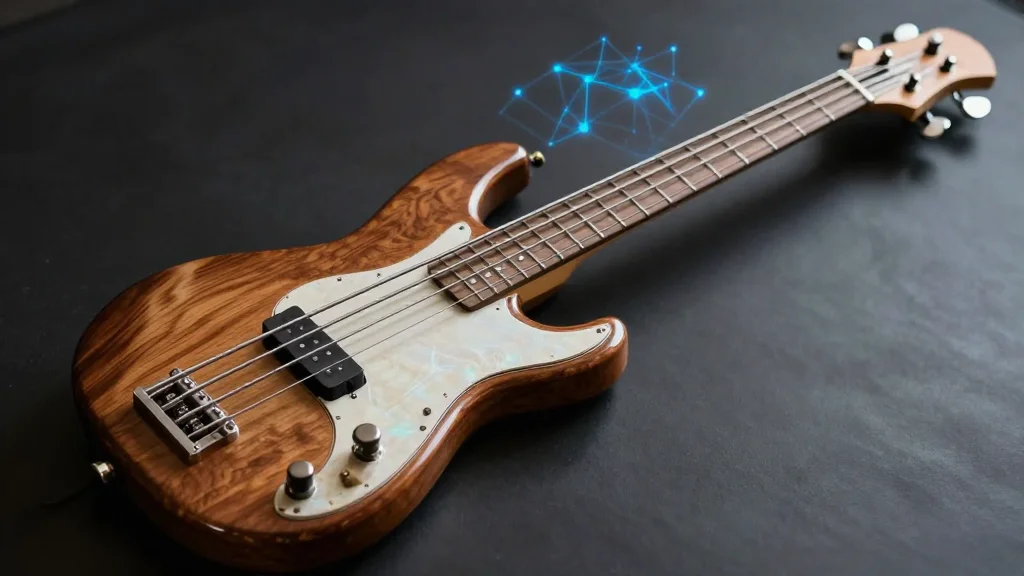
DAVID ELLEFSON On AI-Generated Music: "Things Created On A Computer Don't Have Emotion. They May Be Smart, But They Don't Have Heart"
Why It Matters
Ellefson’s stance highlights a growing debate over authenticity as AI tools enter music production, potentially reshaping artist and label strategies. His openness to a Megadeth reunion underscores lingering fan demand and commercial upside.
Key Takeaways
- •Ellefson says AI music lacks heart and emotional connection
- •He stresses human performance remains essential despite digital processing
- •Open to rejoining Megadeth for farewell tour
- •Hopes to resolve past band tensions
- •Continues touring with Kings Of Thrash and Metal Church
Pulse Analysis
The rise of artificial intelligence in music creation has sparked a polarizing conversation among musicians, producers, and fans. David Ellefson’s blunt assessment—that computer‑generated tracks are "artificial" and lack a "heart"—captures the skepticism of many artists who fear that algorithmic composition could erode the emotional core of songs. While AI can mimic styles and generate technically proficient arrangements, it struggles to convey the lived experiences and spontaneous nuances that listeners associate with genuine human expression. This tension mirrors earlier industry shifts, such as the adoption of digital recording, where technology was initially viewed as a threat before becoming a standard tool.
Ellefson’s emphasis on human performance, even when processed through digital effects, underscores a broader industry trend: authenticity remains a marketable commodity. In an era where streaming platforms reward high‑volume releases, artists who can demonstrate a tangible connection to their craft often differentiate themselves. The debate also raises legal and ethical questions about songwriting credits, royalties, and the definition of creativity. As AI tools become more accessible, record labels may experiment with hybrid models—combining AI‑generated backdrops with live instrumentation—to balance efficiency with emotional resonance. Musicians who navigate this hybrid landscape effectively could set new standards for what constitutes a "real" recording.
Beyond the AI discourse, Ellefson’s comments about rejoining Megadeth hint at the commercial power of legacy acts in metal. A farewell tour featuring original members would likely draw significant ticket sales and streaming spikes, reinforcing the genre’s appetite for nostalgia‑driven events. Simultaneously, his involvement with Kings Of Thrash and the revived Metal Church illustrates how veteran artists leverage multiple projects to sustain relevance and diversify revenue streams. For industry observers, Ellefson’s dual focus on artistic integrity and strategic collaborations offers a blueprint for seasoned musicians navigating both technological disruption and evolving fan expectations.
DAVID ELLEFSON On AI-Generated Music: "Things Created On A Computer Don't Have Emotion. They May Be Smart, But They Don't Have Heart"
Comments
Want to join the conversation?
Loading comments...