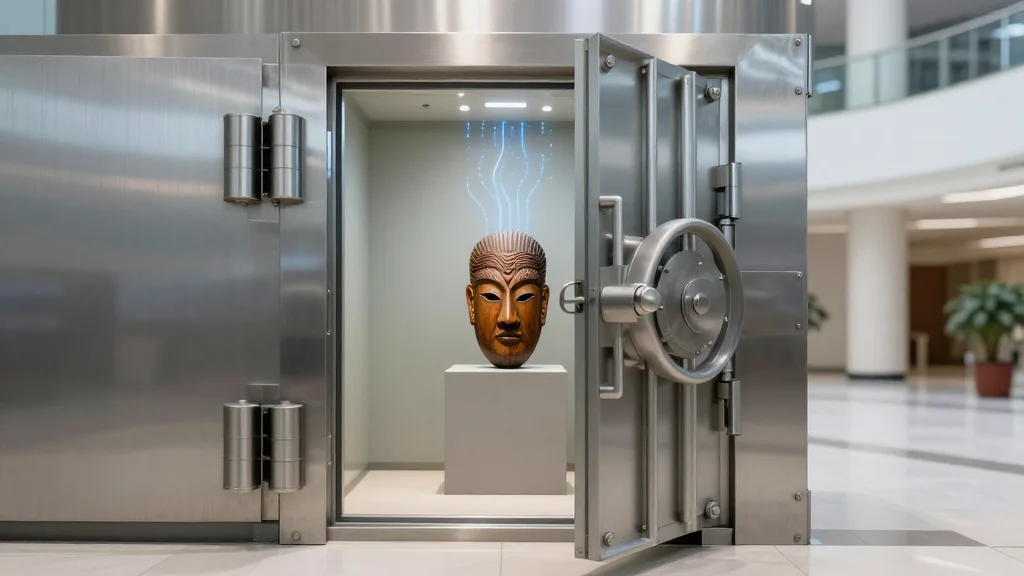
Democratic Infrastructure for Creative Futures: Building the AI, IP & Culture Repository
Key Takeaways
- •Generative AI strains existing IP regimes for creators and Indigenous knowledge
- •Public-domain data can be privatized via proprietary AI, risking cultural appropriation
- •Repository provides independent, civil‑society‑led hub for AI governance knowledge
- •Initiative highlights gendered, intersectional impacts on women and Global Majority
- •Collaborative design seeks to protect digital cultural sovereignty and reduce precarity
Pulse Analysis
The rapid rise of generative artificial intelligence has exposed fundamental cracks in the world’s intellectual‑property systems. AI models ingest massive datasets that include public‑domain works, proprietary content, and Indigenous knowledge, often without transparent consent mechanisms. This creates a paradox where the very tools meant to democratize creation simultaneously enable the privatization of cultural commons, threatening the economic and moral rights of artists, scholars, and heritage custodians. Traditional IP regimes, designed for linear, human‑driven production, struggle to keep pace with the speed, scale, and opacity of these new technologies.
In response, scholars Valentine Goddard and Leslie Salgado Arzuaga propose a dedicated AI, IP & Culture Repository, co‑designed by civil‑society stakeholders. The repository is envisioned as a neutral platform that aggregates research, policy analyses, and best‑practice guidelines, giving creators—especially those from historically marginalized groups—a clearer view of how their work is being used by AI systems. By foregrounding gendered and intersectional impacts, the initiative highlights how women and Global Majority communities face heightened risks of cultural erasure and labor precarity, urging a more equitable distribution of AI‑generated value.
If realized, the repository could become a cornerstone for future AI governance frameworks, informing legislators, industry leaders, and cultural institutions about responsible data sourcing and fair compensation models. Its collaborative design promises to bridge the information asymmetry that currently favors large tech firms, fostering a more balanced ecosystem where cultural sovereignty is protected and innovation proceeds without compromising heritage. Such a tool could also catalyze international standards, aligning with UNESCO’s broader mission to safeguard cultural diversity in the digital age.
Democratic Infrastructure for Creative Futures: Building the AI, IP & Culture Repository
Comments
Want to join the conversation?