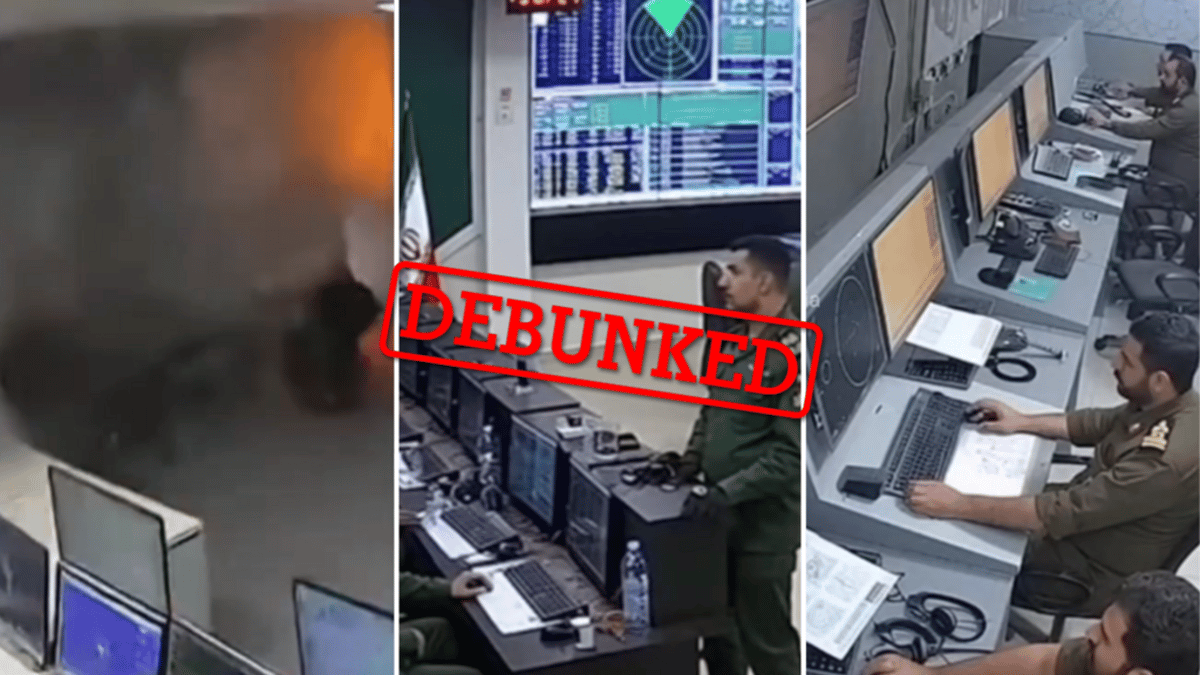
Did Iran Release 'New' Videos of Israeli Strikes on Its Military Sites?
•December 5, 2025
0
Companies Mentioned


Why It Matters
The episode underscores the growing threat of AI‑driven misinformation in shaping public perception of volatile Middle‑East conflicts, challenging both governments and media outlets to verify content rapidly.
Key Takeaways
- •One video aired by Iranian state TV, authentic
- •Three clips identified as AI‑generated deepfakes
- •Misinformation spread via X, reaching millions
- •Iranian regime attempts narrative control amid conflict
- •Fact‑checkers highlight visual anomalies exposing fakes
Pulse Analysis
The June 2025 Iran‑Israel confrontation sparked a wave of visual content online, with a four‑video montage quickly gaining traction on X. While the compilation promised a rare glimpse into Iranian command centres hit by Israeli missiles, only the third segment proved authentic, having been broadcast by the state‑run SNN TV network. The other three clips, however, were fabricated using generative AI tools, a fact uncovered by BBC verification experts within hours of the videos’ release. Their rapid spread—over three million views for a single post—illustrates how quickly unverified media can permeate public discourse, especially when tied to high‑stakes geopolitical events.
Deepfake technology has matured to the point where subtle errors—misdrawn maps, errant digital clocks, duplicated facial features, and objects that vanish or remain untouched after explosions—can betray fabricated footage. Analysts flagged these anomalies, noting, for example, a Persian Gulf map that defied real‑world geography and a coffee machine that survived a blast unscathed. Such details, while seemingly minor, provide crucial forensic clues that separate authentic war‑zone recordings from synthetic imposters. The incident reinforces the importance of robust verification pipelines and the need for media organizations to invest in AI‑detection capabilities to preserve credibility.
Beyond the immediate misinformation risk, the episode signals a broader shift in how state and non‑state actors may weaponize synthetic media to influence regional narratives. As AI‑generated content becomes cheaper and more accessible, adversaries can craft compelling visual propaganda that blurs the line between reality and fabrication, potentially inflaming tensions or swaying public opinion. Policymakers, platforms, and journalists must therefore prioritize media literacy initiatives and collaborative fact‑checking frameworks to mitigate the destabilizing effects of deepfakes on international security and public trust.
Did Iran release 'new' videos of Israeli strikes on its military sites?
0
Comments
Want to join the conversation?
Loading comments...