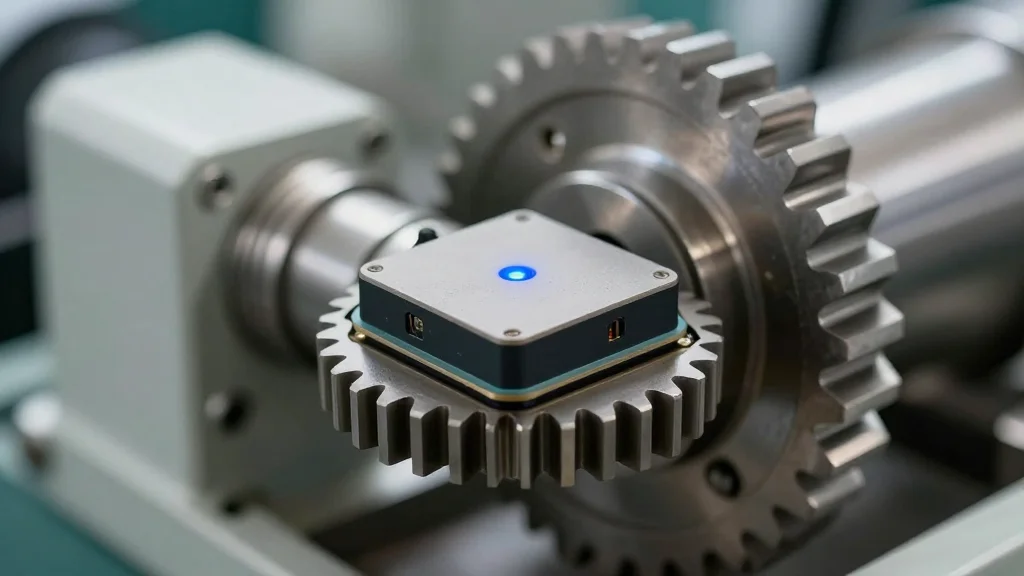
Distributed Intelligence Redefining Predictive Maintenance as Edge AI Reshapes Industrial Architectures
Why It Matters
The chosen architecture will determine cost, latency, and safety outcomes, shaping the competitive landscape for industrial AI providers and the speed of digital transformation in manufacturing.
Key Takeaways
- •Edge AI reduces latency and bandwidth for predictive maintenance.
- •Automation firms favor deterministic, layered intelligence across sensors, controllers, gateways.
- •Silicon vendors push AI inference directly into smart sensors and edge processors.
- •Human‑in‑the‑loop remains essential due to safety and trust concerns.
- •Brownfield heterogeneity and lost expertise complicate predictive model training.
Pulse Analysis
Edge AI’s ascent is reshaping how manufacturers approach predictive maintenance. By processing data at the sensor, controller, or gateway level, firms can cut round‑trip latency from seconds to milliseconds and slash bandwidth fees associated with streaming high‑frequency telemetry to the cloud. This shift aligns with broader industry pressures to improve equipment uptime and reduce operational expenditures, positioning edge analytics as a cost‑effective alternative to traditional centralized platforms.
The architectural tug‑of‑war pits legacy automation suppliers against silicon and edge‑computing innovators. Companies like Omron advocate a layered intelligence model—sensor‑level alerts feed into controller‑level diagnostics, which are then aggregated at edge gateways for line‑wide insights. This hierarchy respects deterministic control standards and eases integration with existing brownfield assets. Conversely, chipmakers argue that heterogeneous AI accelerators embedded in smart sensors can deliver real‑time decisions without relying on higher‑level context, promising faster fault detection but raising questions about model consistency and certification.
Adoption, however, is tempered by practical challenges. Manufacturers remain wary of granting autonomous control to machine‑learning models, favoring a human‑in‑the‑loop approach that blends AI recommendations with operator judgment. Moreover, legacy equipment, fragmented vendor ecosystems, and the loss of institutional knowledge make data labeling and model training arduous. Overcoming these hurdles will require robust validation frameworks, standardized edge AI stacks, and strategic partnerships that bridge sensor‑level intelligence with system‑wide operational expertise. As these pieces coalesce, the industry is poised for a gradual but decisive migration toward distributed predictive maintenance.
Distributed Intelligence Redefining Predictive Maintenance as Edge AI Reshapes Industrial Architectures
Comments
Want to join the conversation?
Loading comments...