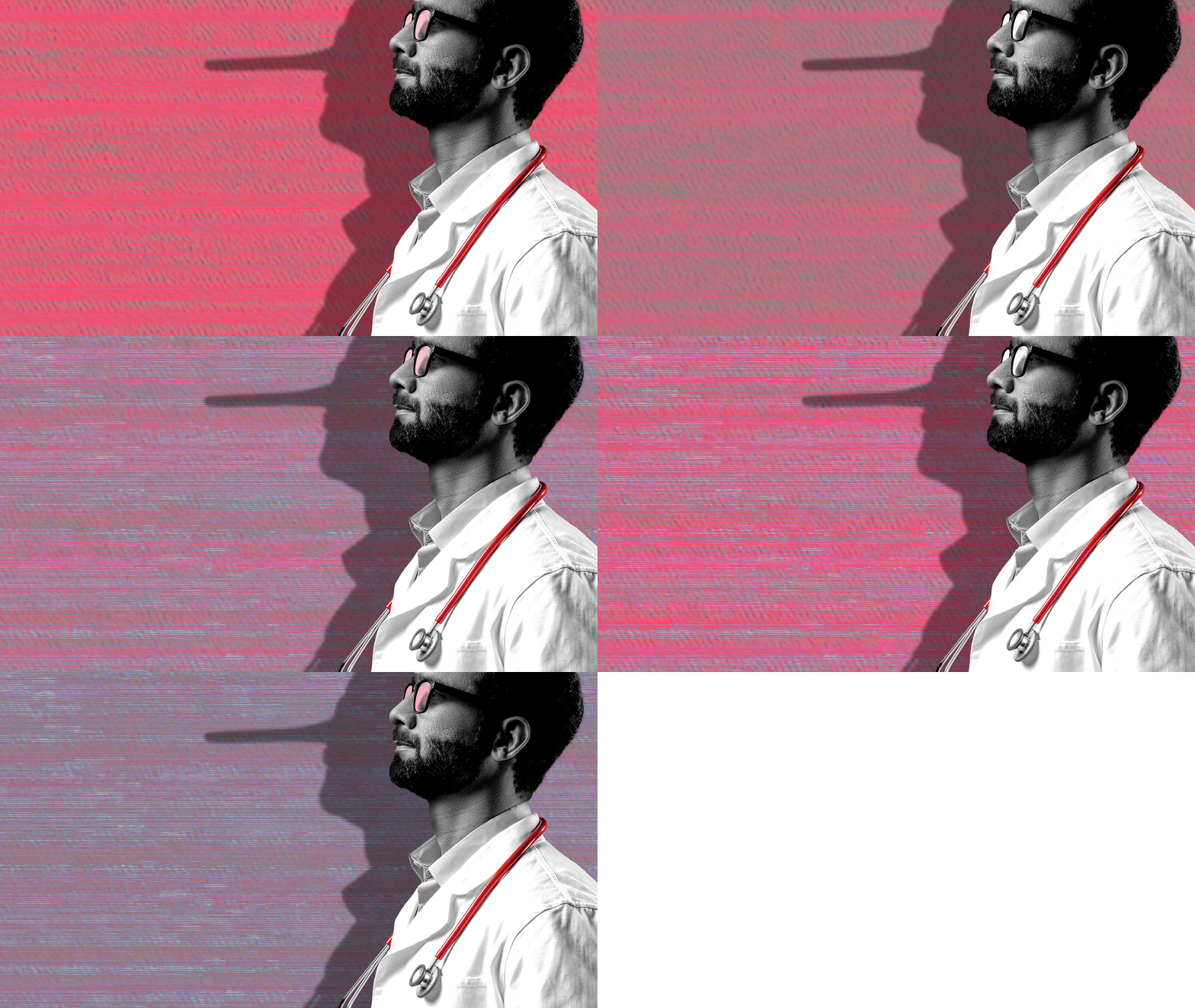
Doctors' Growing AI Deepfakes Problem
Why It Matters
The surge of medical deepfakes threatens patient safety, erodes public trust in healthcare, and creates fresh legal and insurance challenges for the industry.
Key Takeaways
- •AMA urges federal and state laws to curb doctor deepfake scams
- •California proposes bill banning deepfake doctor ads; Pennsylvania sued AI chatbot
- •Study finds 25% of doctors miss synthetic X‑rays, risking misdiagnosis
- •Potential liability for physicians if patients act on fraudulent deepfake endorsements
Pulse Analysis
The rise of AI‑driven deepfake technology has moved beyond entertainment, targeting the credibility of medical professionals. By swapping a physician's likeness into promotional videos or fabricated diagnostic images, bad actors exploit the inherent trust patients place in doctors. This tactic not only fuels the sale of unapproved supplements and devices but also creates a fertile ground for insurance fraud and misinformation, amplifying public skepticism toward the entire healthcare system.
Legislators and professional bodies are scrambling to plug regulatory gaps. The American Medical Association recently urged Congress to modernize identity‑protection statutes and compel tech platforms to remove impersonations swiftly. California’s pending legislation would explicitly ban doctor deepfakes, while Pennsylvania has already issued a cease‑and‑desist order against an AI chatbot posing as a licensed physician. These moves signal a broader shift toward holding platforms accountable and clarifying malpractice and cyber‑liability coverage for physicians who may be sued for harms caused by counterfeit endorsements.
Clinicians themselves are confronting a new diagnostic hazard. A study in Radiology found that 25% of doctors could not distinguish deepfake X‑rays, even after training, exposing patients to potential misdiagnoses and costly legal fallout. Beyond fraudulent marketing, malicious actors could infiltrate hospital networks to inject synthetic images, disrupting care pathways and triggering widespread clinical chaos. As the technology matures, the medical community must invest in detection tools, staff education, and robust cybersecurity measures to safeguard both patient outcomes and the profession’s reputation.
Doctors' growing AI deepfakes problem
Comments
Want to join the conversation?
Loading comments...