Why It Matters
Higher SBC prices could curb hobbyist adoption and raise costs for embedded projects, while highlighting broader supply‑chain strain on memory components across the tech industry.
Key Takeaways
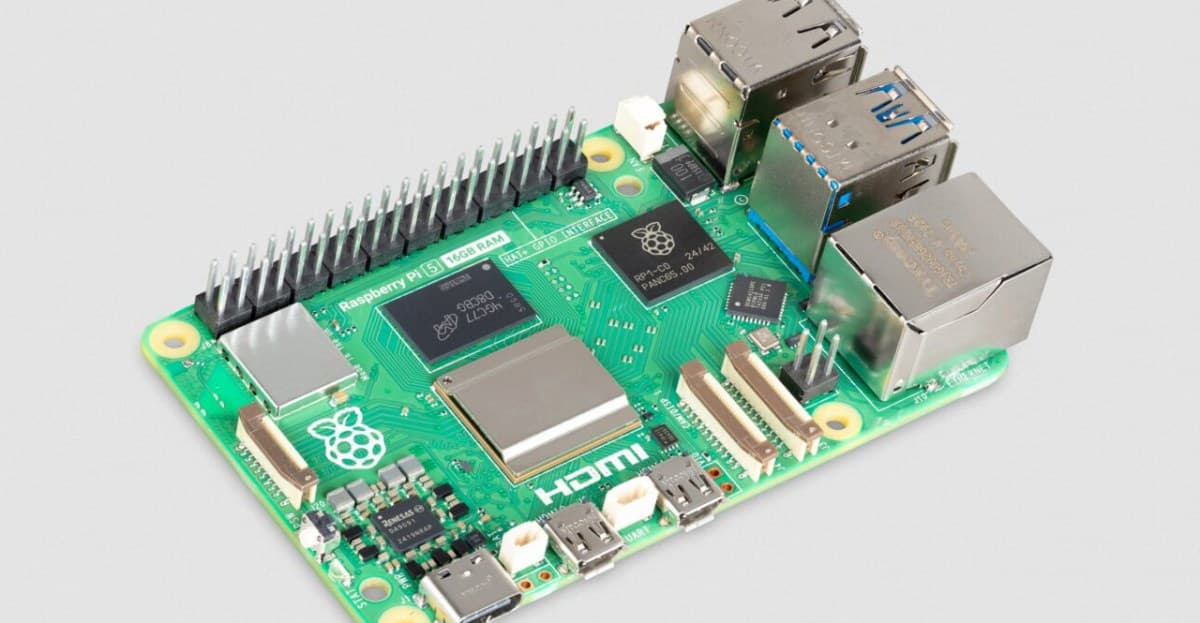
- •Raspberry Pi 5 16GB price rises to $145
- •Other Pi 4/5 models up $5‑$25
- •New 1GB Raspberry Pi 5 launched at $45
- •Compute Module 5 16GB now $140
- •RAM shortage drives price hikes industry‑wide
Pulse Analysis
The recent Raspberry Pi price adjustments underscore how volatile DRAM markets are reshaping the economics of low‑cost computing. AI‑driven data‑center expansion has driven memory manufacturers to prioritize high‑capacity, low‑latency modules, squeezing supply for commodity DRAM used in single‑board computers. As a result, Raspberry Pi, a staple for education and prototyping, is forced to pass on higher component costs to end users, marking the first notable price increase since the Pi 4 launch.
For developers and makers, the hike has practical implications. Projects that rely on the 16 GB Pi 5 for edge‑AI or media processing now face a 20% cost increase, potentially shifting budgets toward alternative platforms or cloud‑based solutions. Conversely, the introduction of a $45 1 GB model expands entry‑level access, suggesting Raspberry Pi’s strategy to balance affordability with profitability. This tiered pricing may encourage a segmentation of the hobbyist market, with high‑performance users absorbing higher costs while newcomers adopt the lower‑spec variant.
The broader industry signal is clear: memory scarcity is not limited to high‑end PCs but permeates every layer of the computing stack. Companies like CyberPowerPC and Maingear have already signaled similar price adjustments, and retailers are occasionally selling RAM at market rates. Until DRAM production scales to meet AI‑driven demand, manufacturers will likely continue to adjust pricing structures, prompting buyers to reassess component sourcing, inventory strategies, and long‑term design choices.
DRAM it! Raspberry Pi raises prices
0
Comments
Want to join the conversation?
Loading comments...