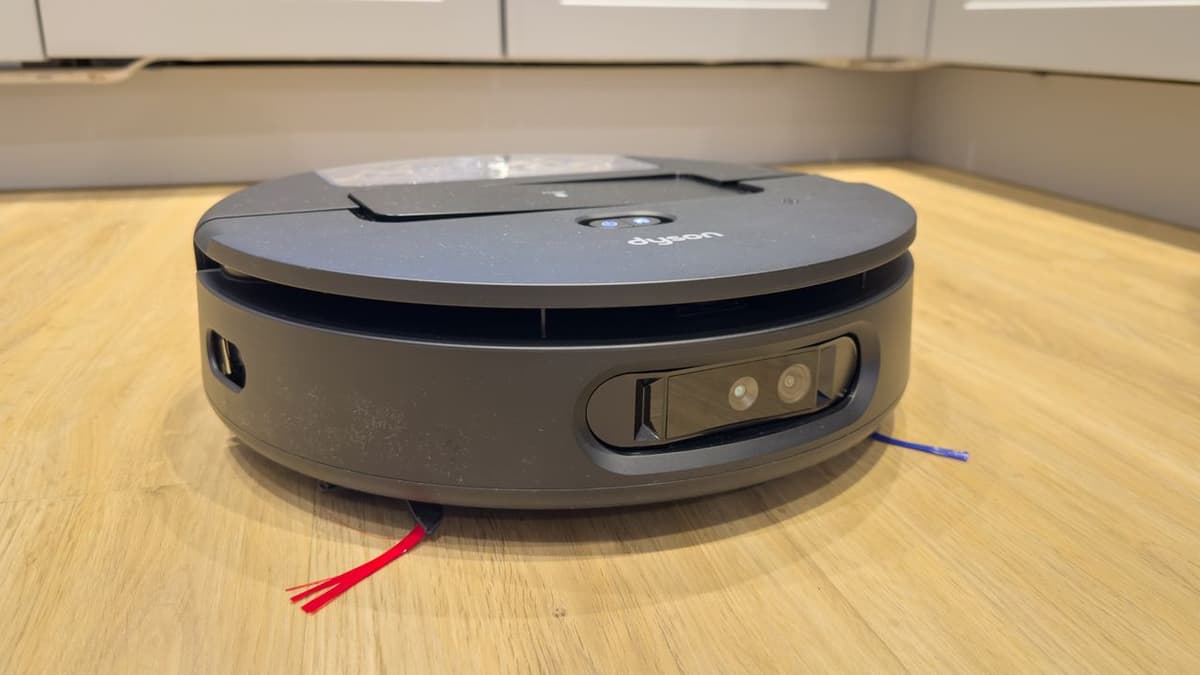
Dyson Spot+Scrub Ai Robot Vacuum First Impressions: An Impressive Featureset but a Disappointing App
•December 23, 2025
0
Companies Mentioned


Why It Matters
Dyson’s entry re‑positions the brand in the high‑end robotic cleaning market, yet software flaws could deter affluent buyers and affect its competitive edge.
Key Takeaways
- •Dyson Spot+Scrub Ai combines vacuum, mop, self‑emptying
- •Base station bagless, empties dust bin via cyclone tech
- •App mapping and UI issues hinder premium experience
- •Price around £1,050; cleaning detergent sold separately
- •AI claims to identify 190 objects, improves spot cleaning
Pulse Analysis
The robot‑vacuum market has become a battleground for premium brands, with consumers expecting both performance and seamless integration. Dyson, renowned for its cyclone technology in stick vacuums, leverages that heritage in the Spot+Scrub Ai, delivering a bagless base that automatically empties the robot’s bin. This hardware innovation reduces ongoing consumable costs and aligns with the company’s sustainability narrative, positioning the device as a high‑value proposition for tech‑savvy households willing to invest in long‑term convenience.
Beyond the hardware, the Spot+Scrub Ai packs a roller‑style mop, an onboard water reservoir, and AI‑driven object detection that claims to recognise more than 190 items. The system’s ability to scrub stubborn spots with warm water and to navigate tight corners differentiates it from rivals that rely on static pads. By integrating Dyson’s signature cyclone suction, the robot maintains strong pick‑up power while the bagless design simplifies emptying, offering a compelling blend of cleaning efficacy and user‑friendly maintenance.
However, the premium experience is undermined by a sub‑par mobile app. Users report confusing maps, unlabeled traffic‑cone icons, and room tags that default to numbers rather than clear names, making scheduling and targeted cleaning cumbersome. In a market where competitors such as iRobot and Roborock provide intuitive interfaces and robust mapping, Dyson’s software shortcomings could erode its appeal despite superior hardware. Addressing these digital pain points will be crucial for Dyson to secure a lasting foothold among high‑end robotic vacuum buyers.
Dyson Spot+Scrub Ai robot vacuum first impressions: an impressive featureset but a disappointing app
0
Comments
Want to join the conversation?
Loading comments...