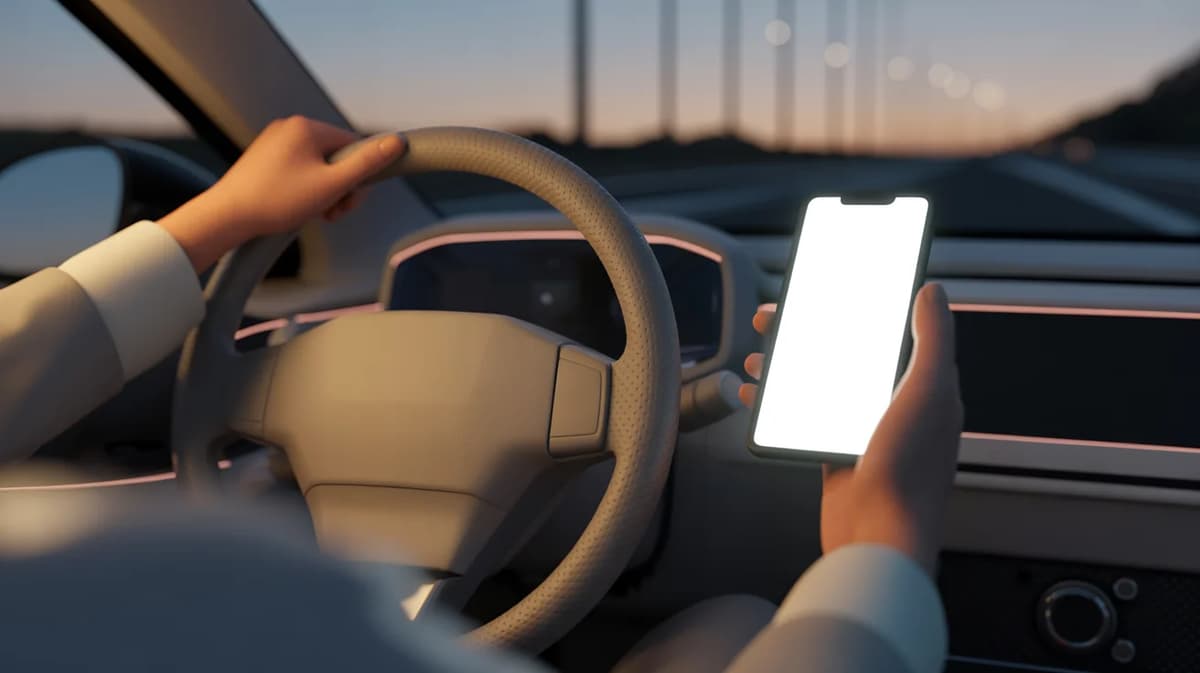
Elon Musk Says Tesla Drivers Can Text While Driving, but They Absolutely Should Not
•December 5, 2025
0
Why It Matters
If Tesla relaxes driver‑monitoring requirements, it could trigger regulatory scrutiny and increase accident risk, while drivers remain fully liable for violations.
Key Takeaways
- •Musk hints FSD may permit texting in limited contexts
- •Texting while driving illegal in 49 states, DC, territories
- •Tesla’s FSD remains Level 2, driver must stay attentive
- •Liability for crashes stays with driver, not Tesla
- •Regulators may scrutinize Tesla’s safety claims and updates
Pulse Analysis
Tesla’s latest Full Self‑Driving update has sparked a contentious debate about driver responsibility and regulatory compliance. While Elon Musk suggested the software might allow texting in stop‑and‑go traffic, the technology remains a Level 2 driver‑assistance system that relies on constant human oversight. In‑cabin cameras already track eye movement, issuing alerts and potentially disabling FSD after repeated inattentiveness. This safety net underscores that the vehicle is not truly autonomous, and any misuse—such as texting—still violates traffic laws in the vast majority of U.S. jurisdictions.
The legal landscape adds another layer of complexity. Texting while driving is prohibited in 49 states, Washington, D.C., and U.S. territories, and liability for accidents caused under these conditions falls squarely on the driver. Tesla’s historical stance of defending against liability claims, as seen in recent court victories, suggests the company will not assume responsibility for incidents stemming from driver distraction. Consequently, consumers who heed Musk’s comments risk personal legal exposure and potential insurance repercussions, despite the brand’s reputation for cutting‑edge technology.
From an industry perspective, Musk’s remarks could prompt heightened scrutiny from regulators and safety advocates. Agencies may demand clearer disclosures about the capabilities and limitations of FSD, especially if future updates relax monitoring thresholds. For investors and competitors, the episode highlights the tension between ambitious autonomous‑driving promises and the practical realities of safety compliance. Companies like Waymo, which assume more liability, may gain a competitive edge as consumers and lawmakers prioritize accountable, fully autonomous solutions over marketing hype.
Elon Musk says Tesla drivers can text while driving, but they absolutely should not
0
Comments
Want to join the conversation?
Loading comments...