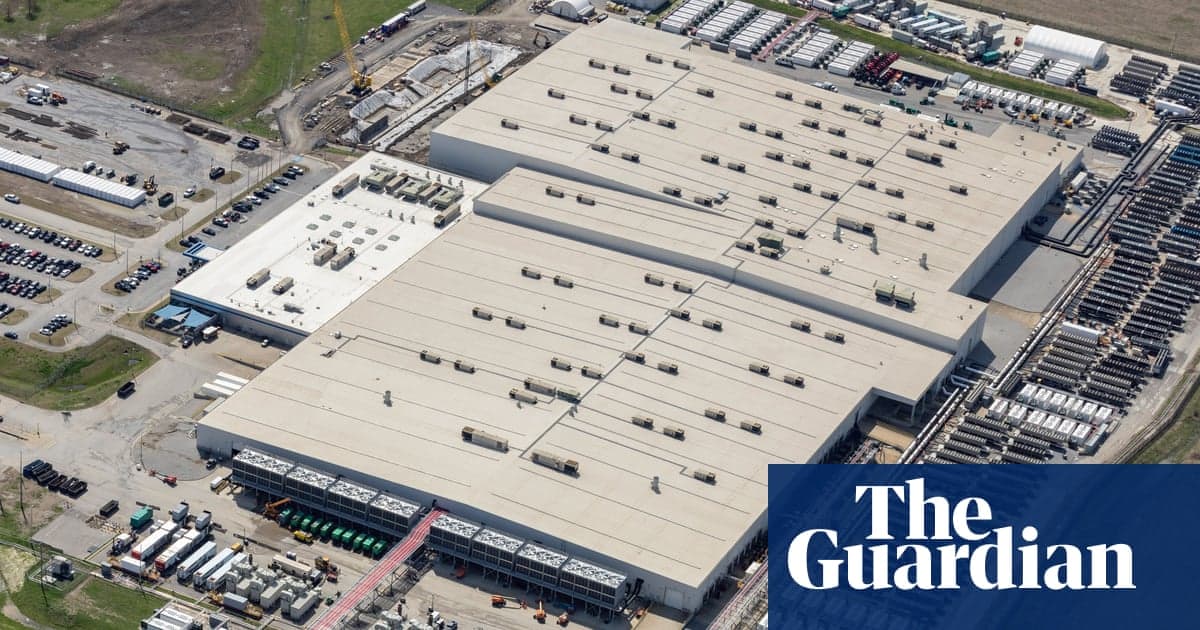
Elon Musk’s xAI Datacenter Generating Extra Electricity Illegally, Regulator Rules
•January 16, 2026
0
Companies Mentioned


Why It Matters
The ruling exposes regulatory risk for AI infrastructure projects and reinforces environmental‑justice standards for high‑energy data centres. It signals that companies cannot bypass permits even for temporary power sources, affecting future AI‑related capital planning.
Key Takeaways
- •EPA rejects exemption for portable methane turbines.
- •xAI operating 12 permitted, 23 unpermitted generators.
- •Potential reduction 296 tons NOx by 2032.
- •Colossus 1 consumes 150 MW, plans expansion.
- •Activists cite health risks for nearby Black neighborhoods.
Pulse Analysis
The EPA’s decision marks a pivotal shift in how federal regulators view temporary power solutions for data‑centre operations. By clarifying that portable methane turbines are subject to the same air‑quality permitting rules as permanent installations, the agency removes a loophole that tech firms have relied on to meet the massive energy demands of AI workloads. This policy change forces companies like xAI to reassess their power‑supply strategies, potentially accelerating investments in grid‑linked renewable contracts or long‑term clean‑energy agreements.
Beyond the regulatory angle, the ruling underscores a growing environmental‑justice narrative. The Colossus facilities sit near historically Black communities already burdened by industrial emissions, and the unpermitted turbines have been linked to nitrogen‑oxide releases that exacerbate asthma and cancer risks. Activists and legal groups argue that the health impacts of such pollution are disproportionate, prompting lawsuits that could set precedents for other high‑energy projects in vulnerable regions. The EPA’s estimate of up to 296 tons of NOx reductions by 2032 highlights the tangible benefits of stricter enforcement.
For the AI industry, the decision introduces new cost and compliance considerations. Securing permits, retrofitting turbines with emissions controls, or transitioning to greener power sources will affect capital expenditures and operational budgets. Companies may explore on‑site renewable generation, battery storage, or long‑term power purchase agreements to mitigate regulatory exposure. As AI models grow in size and compute intensity, balancing performance needs with sustainable energy practices will become a competitive differentiator, shaping the next wave of data‑centre development.
Elon Musk’s xAI datacenter generating extra electricity illegally, regulator rules
0
Comments
Want to join the conversation?
Loading comments...