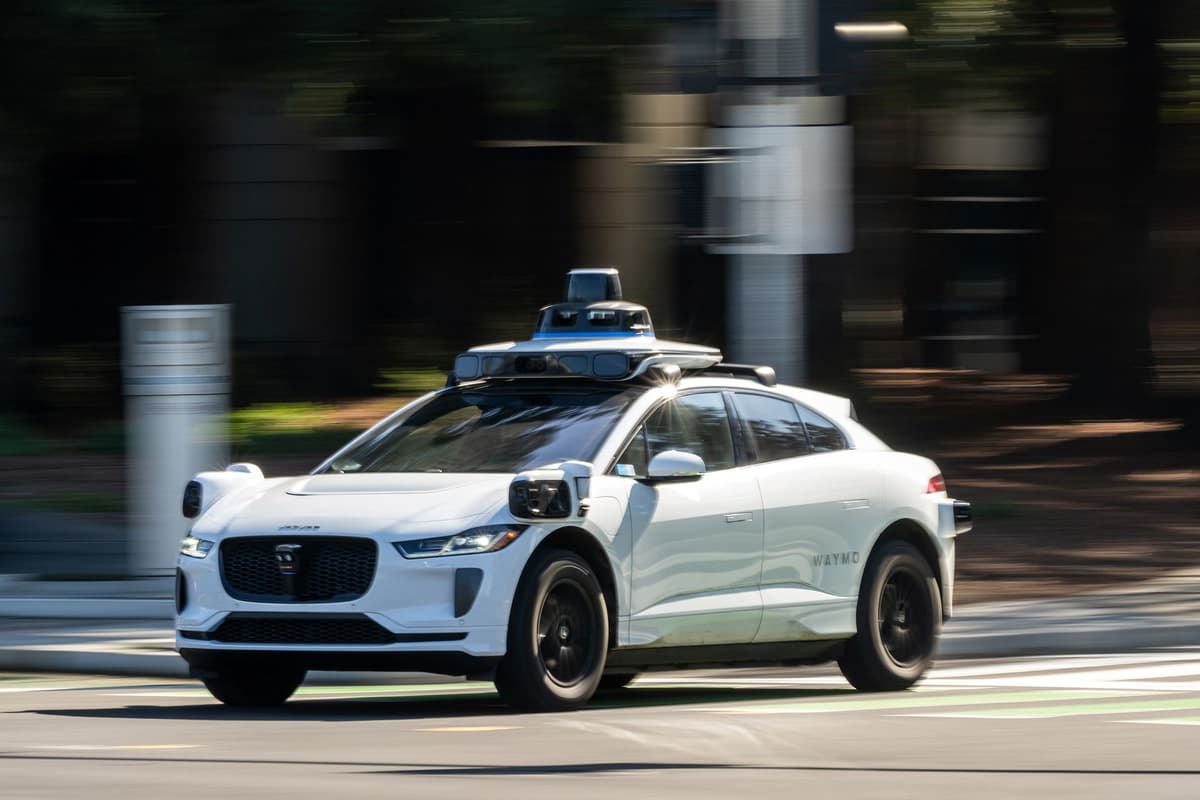
Emergency First Responders Say Waymos Are Getting Worse

Why It Matters
The reported failures jeopardize public safety and could stall Waymo’s aggressive expansion, prompting tighter regulatory scrutiny across the autonomous‑vehicle industry.
Key Takeaways
- •Waymo robots freeze, blocking fire station access in San Francisco.
- •First responders report increased traffic violations by Waymo cars.
- •Hand‑signal recognition failures cause delays for police in Austin.
- •California DMV rule mandates 30‑second response to emergency calls.
- •Waymo trained over 35,000 responders but issues persist.
Pulse Analysis
First‑responder frustration with Waymo’s autonomous fleet has moved from anecdotal complaints to formal testimony before the NHTSA. In San Francisco, fire officials describe driverless cars defaulting to a "freeze" mode that blocks fire‑engine routes, while police in Austin report that Waymo taxis often ignore hand‑signal cues, extending response times during critical incidents. These operational glitches not only endanger lives but also erode trust among the agencies tasked with public safety, highlighting a gap between the technology’s promise and its real‑world reliability.
The regulatory landscape is tightening as municipalities grapple with autonomous‑vehicle integration. California’s DMV announced new rules effective July that compel companies to answer first‑responder calls within 30 seconds and to vacate emergency zones within two minutes. Such mandates aim to standardize emergency interaction protocols and could become a template for other states. Meanwhile, industry observers note that Waymo’s expansion into ten additional U.S. cities and overseas markets like London may face pushback if safety concerns remain unaddressed, potentially slowing the broader rollout of driverless services.
Waymo has responded by emphasizing its partnership with emergency services, citing the training of more than 35,000 responders and ongoing dialogue to refine its "human element" support teams. The company points to a tenfold increase in weekly rides and data suggesting fewer serious crashes than human‑driven cars. However, the recent power‑outage incident that stranded dozens of Waymos and the reported 53‑minute 911 hold time underscore the need for robust, real‑time communication channels. As autonomous technology matures, balancing rapid deployment with dependable safety mechanisms will be crucial for maintaining public confidence and securing regulatory approval.
Emergency First Responders Say Waymos Are Getting Worse
Comments
Want to join the conversation?
Loading comments...