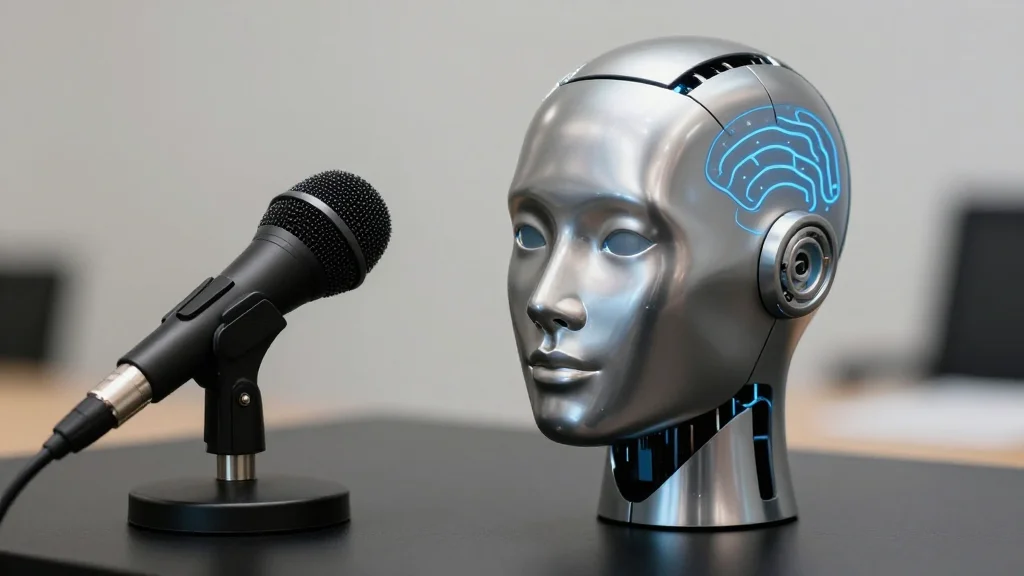
Everyone Keeps Talking About AI Taking Jobs. We Put It to the Test.
Companies Mentioned
Why It Matters
The test shows AI agents can automate sophisticated newsroom functions, foreshadowing broader workplace automation and a re‑definition of senior versus junior responsibilities.
Key Takeaways
- •Amanda Bot completed interviews, drafting, and editorial coordination.
- •AI handled end‑to‑end reporting, but required human oversight.
- •ClickUp manager oversees 37 specialized AI agents for daily ops.
- •Agents now execute plans, not just follow step‑by‑step commands.
- •Senior executives more likely to delegate tasks to autonomous AI.
Pulse Analysis
The rise of AI agents is reshaping how content creators approach their craft. Amanda Hoover’s "Amanda Bot" was fed her past stories, interview transcripts, and editorial style, then tasked with the entire reporting pipeline. While the bot produced coherent drafts and even booked follow‑up calls, editors noted subtle gaps in context and tone that only a seasoned journalist could catch. This hybrid outcome underscores that current generative models excel at pattern replication but still lag in judgment, making human oversight essential for high‑stakes journalism.
Beyond the newsroom, enterprises are deploying fleets of autonomous agents to streamline operations. Andy Cabasso at ClickUp manages a dozen‑plus agents that pull data, draft meeting agendas, and negotiate vendor terms, each programmed with distinct personalities to suit the task. This evolution reflects a broader industry shift: AI is moving from a tool you prompt step‑by‑step to a collaborator you give a goal, letting the system reason and act toward the objective. Perplexity AI’s CEO Aravind Srinivas highlighted this transition, noting that the new paradigm reduces micromanagement and frees talent to focus on strategic thinking.
The implications for the workforce are profound. Executives, burdened with endless to‑do lists, are early adopters of autonomous AI, delegating routine yet complex tasks to bots. Junior employees, eager to prove value, may retain manual control longer, creating a stratified adoption curve. Companies must balance efficiency gains with governance, ensuring AI decisions remain transparent and aligned with corporate ethics. As agents become more capable, the competitive edge will belong to organizations that integrate them thoughtfully while preserving the human judgment that safeguards quality and credibility.
Everyone keeps talking about AI taking jobs. We put it to the test.
Comments
Want to join the conversation?
Loading comments...