Exclusive: Positron Raises $230M Series B to Take on Nvidia’s AI Chips
•February 4, 2026
0

Companies Mentioned


Why It Matters
Positron’s power‑efficient inference chips could diversify the AI hardware supply chain and lower operating costs for enterprises. Qatar’s backing signals a geopolitical push to build independent AI compute capacity in the Middle East.
Key Takeaways
- •Positron raised $230M Series B funding
- •Funding led by Qatar Investment Authority
- •Atlas chip matches H100 performance, uses one‑third power
- •Focus on inference hardware for AI deployment
- •QIA backs sovereign AI infrastructure in Middle East
Pulse Analysis
The AI accelerator market has long been dominated by Nvidia, whose GPUs power both training and inference workloads. However, as large‑scale model training matures, a growing segment of the industry is shifting focus to inference—the real‑time execution of AI models in products and services. This transition creates demand for chips that deliver high throughput with minimal power and latency, opening space for specialized providers to challenge Nvidia’s hegemony.
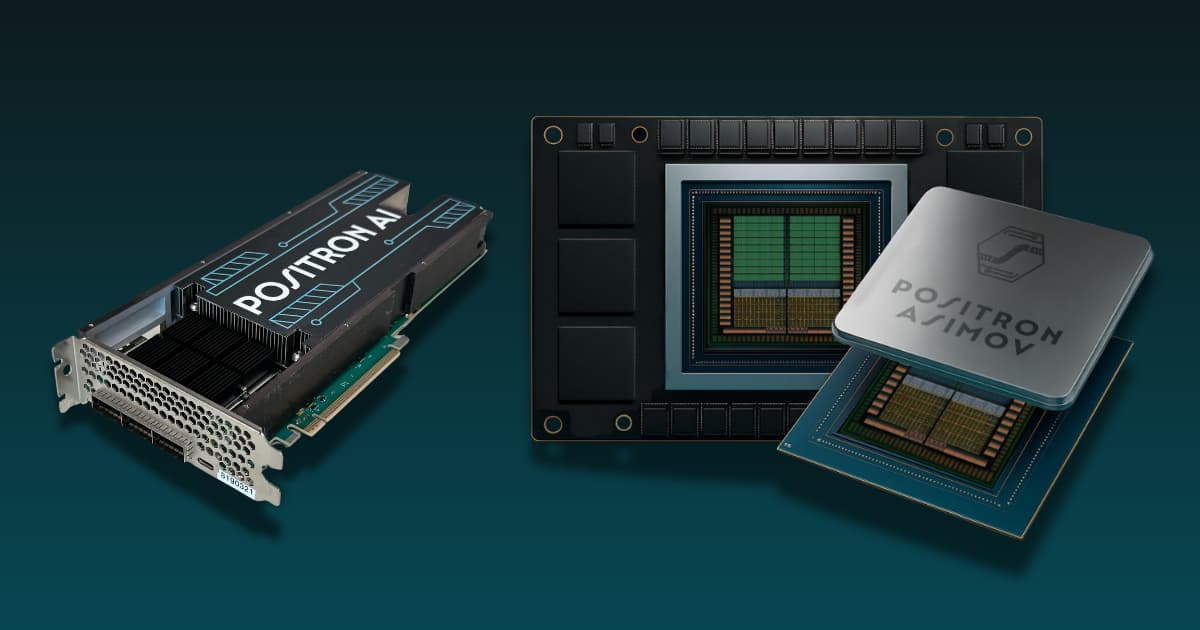
Positron’s Atlas processor targets that niche by pairing high‑speed memory with a design optimized for inference and video‑processing tasks. According to the company, Atlas can achieve performance comparable to Nvidia’s H100 while consuming roughly one‑third of the power, a claim that, if validated, could translate into significant cost savings for hyperscalers and enterprise AI deployments. The $230 million Series B, bolstered by sovereign wealth fund Qatar Investment Authority, not only fuels product ramp‑up but also underscores investor confidence in memory‑centric, low‑power architectures as the next wave of AI hardware.
Qatar’s involvement reflects a strategic move to secure sovereign AI infrastructure, reducing reliance on foreign chip suppliers and positioning the nation as a regional AI hub. The partnership with Brookfield’s $20 billion AI joint venture further illustrates a broader trend of state‑backed capital flowing into the AI supply chain. For the market, Positron’s funding could accelerate diversification of chip suppliers, pressure Nvidia on pricing and power efficiency, and catalyze a more competitive ecosystem that benefits downstream AI developers and end‑users.
Exclusive: Positron raises $230M Series B to take on Nvidia’s AI chips
0
Comments
Want to join the conversation?
Loading comments...