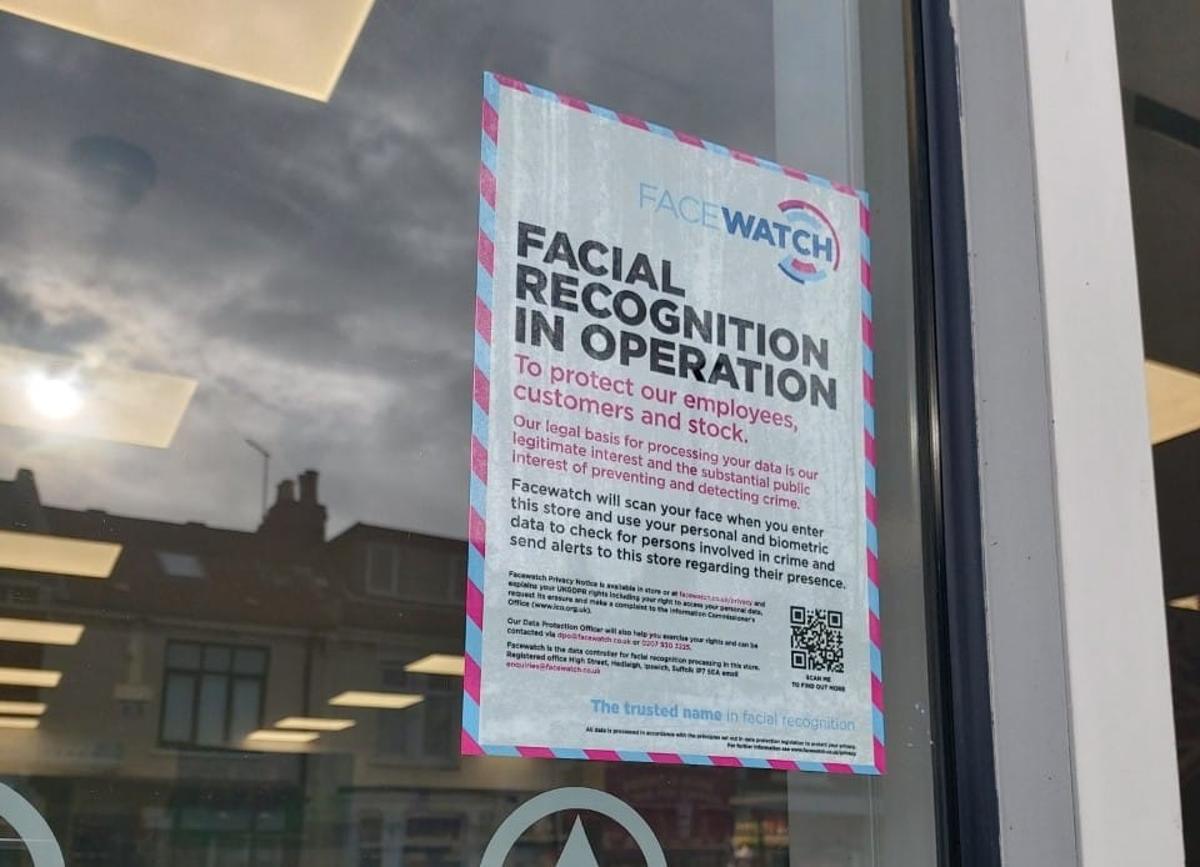
Facewatch Wants to Bring Live Facial Recognition to UK Pharmacies
Companies Mentioned

Why It Matters
Extending live facial recognition to pharmacies could reshape security in a sector handling sensitive health data, while igniting regulatory and privacy debates that may affect broader biometric surveillance adoption in healthcare.
Key Takeaways
- •Facewatch launches PharmacyProtect LFR program for UK pharmacies.
- •System claims 70% reduction in repeat offenses, 500k alerts annually.
- •Critics warn privacy risks, may deter patients from seeking care.
- •Facewatch operates under UK GDPR, deletes data if no match.
- •Over 125 UK retailers already use Facewatch's facial recognition.
Pulse Analysis
The rise of organized crime targeting prescription drugs has pushed UK pharmacies to seek advanced loss‑prevention tools. Traditional CCTV and manual checks often fall short against repeat offenders who exploit the high‑value inventory and vulnerable front‑of‑house staff. By introducing live facial‑recognition, Facewatch hopes to give pharmacies a proactive edge, mirroring the technology already deployed across more than 125 retailers, from grocery chains to fashion outlets. The promise of deterring theft and aggression aligns with the National Pharmacy Association’s warnings about escalating abuse.
PharmacyProtect operates by scanning faces at store entrances, converting images into encrypted biometric templates, and matching them against a watchlist of known offenders. Facewatch reports that its system generated over 500,000 alerts in 2025 and helped reduce repeat offending by up to 70 percent. Crucially, the company emphasizes GDPR compliance: if no match is found, the biometric data is erased immediately, and any alerts trigger a human‑review step before action. These safeguards aim to balance security benefits with the stringent privacy expectations of UK health‑care environments.
Nonetheless, privacy groups such as Big Brother Watch argue that deploying live facial recognition in pharmacies could create a chilling effect, discouraging individuals from accessing essential medicines. The debate underscores a broader tension between crime‑prevention technology and patient confidentiality. Regulators and industry bodies will likely scrutinize the rollout, potentially shaping future guidelines for biometric use in health‑related retail settings. As pharmacies weigh safety against privacy, the outcome could set a precedent for how biometric surveillance is integrated into other sensitive service sectors.
Facewatch wants to bring live facial recognition to UK pharmacies
Comments
Want to join the conversation?
Loading comments...