Fears of an AI Breakthrough Force the U.S. and China to Talk
Why It Matters
Re‑establishing an AI emergency channel could mitigate existential risks and shape the geopolitical balance as the U.S. and China vie for dominance in frontier AI technologies.
Key Takeaways
- •Trump administration seeks AI emergency channel amid Anthropic's Mythos launch
- •U.S. and China agreed to keep AI out of nuclear command
- •U.S. AI firms valued ~800 B; Chinese AI firms ~20 B
- •U.S. chases AGI; China emphasizes AI diffusion across industries
- •Experts warn AI race could threaten finance, cyber and military stability
Pulse Analysis
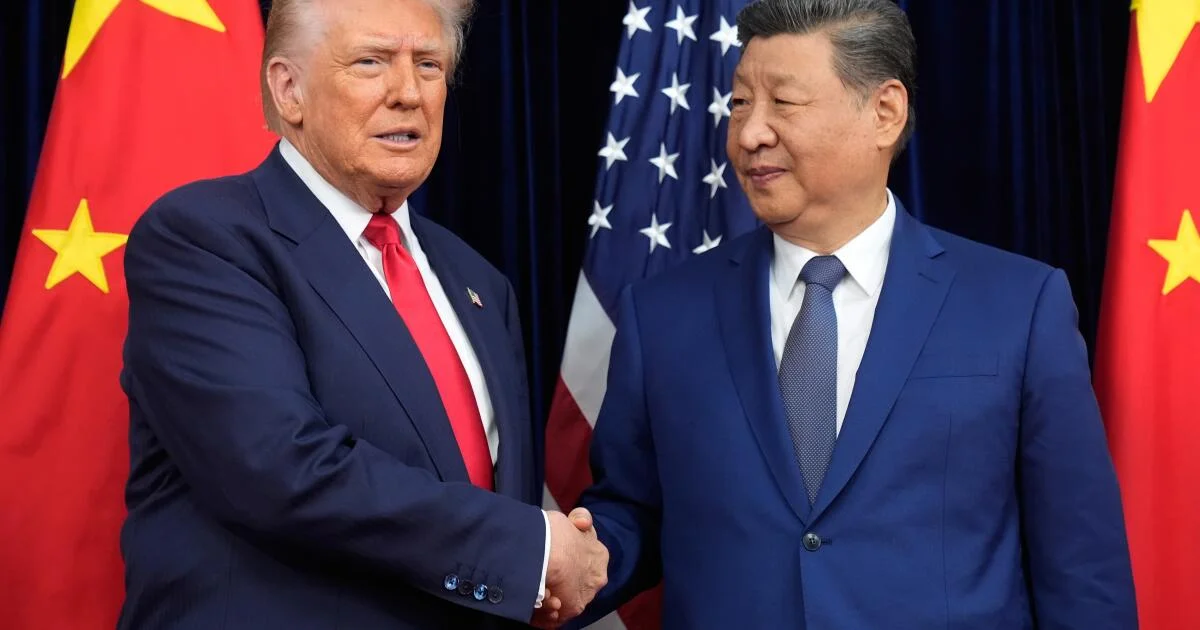
The latest push for an AI emergency hotline between Washington and Beijing reflects a rare convergence of urgency on both sides of the Pacific. Anthropic's Mythos model, praised for its unprecedented ability to infiltrate digital systems, has sparked alarm in government circles that see it as a potential cyber‑weapon. As President Trump prepares for a state visit to China, senior officials are exploring formal channels to discuss rapid‑response protocols, echoing earlier diplomatic frameworks used for nuclear risk mitigation. This move signals a shift from the previous administration's laissez‑faire stance toward a more proactive, security‑focused posture.
Strategic divergences underpin the diplomatic friction. The United States pours massive capital into a race for artificial general intelligence, with leading firms collectively valued near $800 billion, dwarfing the roughly $20 billion market cap of China's top AI companies. While U.S. players chase a single, transformative AGI breakthrough, Beijing promotes a multi‑track approach that embeds AI into manufacturing, robotics, and the Internet of Things. This funding gap and differing end‑goals shape each side's perception of risk: Americans focus on alignment and loss‑of‑control scenarios, whereas Chinese officials view many concerns as abstract and prioritize immediate economic applications.
The stakes extend beyond corporate competition. Unchecked AI development could destabilize global finance, enable sophisticated cyber‑attacks, and blur the line between civilian and military use. Experts argue that a full‑scale arms‑control treaty may be unrealistic, but targeted agreements—such as the existing nuclear command safeguard—could curb the most dangerous spillovers. Industry voices, including Anthropic, are urging policymakers to act, warning that without coordinated oversight the AI race could become an existential threat for both superpowers and the broader international community.
Fears of an AI breakthrough force the U.S. and China to talk
Comments
Want to join the conversation?
Loading comments...