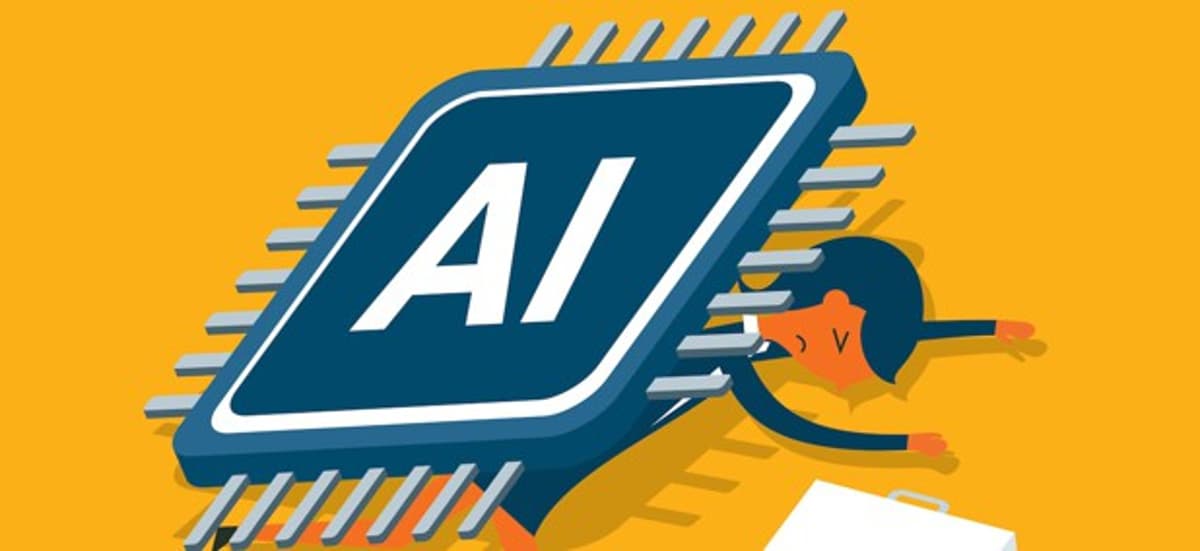
Federal Workforce Trauma Is Creating a Stumbling Block for AI Adoption
Companies Mentioned
Why It Matters
A demoralized, understaffed federal workforce hampers AI integration, threatening service delivery and national competitiveness as AI-driven job displacement looms.
Key Takeaways
- •DOGE cuts caused a net loss of 238,000 federal employees
- •Employee morale hit record lows, reducing AI adoption willingness
- •AI Jobs Risk Index flags 9.3M U.S. jobs at risk
- •Federal AI specialist pool could shrink by 23,000 roles
- •Regulators debate AI law while workforce trauma deepens
Pulse Analysis
The federal workforce’s recent trauma is reshaping the nation’s AI trajectory. DOGE’s mandatory attrition, hiring freezes, and contractor cancellations forced 348,000 departures, leaving a net shortfall of nearly 240,000 staff. Agencies now face critical knowledge gaps, from food safety inspections to disaster response, while a partnership survey of over 11,000 employees shows morale at historic lows. Disengaged workers are less likely to experiment with or trust AI tools, creating a feedback loop that stalls digital transformation in the very institutions meant to lead it.
Beyond the government, the broader economy confronts a looming AI‑driven employment shock. The Tufts Fletcher School’s AI Jobs Risk Index projects up to 9.3 million U.S. jobs could be displaced within five years, with the highest vulnerability in information, finance, and professional services. Even the federal sector is not immune, risking the loss of roughly 23,000 information specialists. This potential talent drain threatens productivity, widens income inequality, and could shift regional economic balances, especially in states like California, Texas, and New York.
Policymakers are caught between accelerating AI innovation and mitigating its societal costs. While the EU has enacted a comprehensive AI Act, the U.S. response under the Trump administration emphasizes rapid deployment through executive orders and an AI Action Plan. Critics argue that without robust regulation, the combination of a traumatized workforce and unchecked AI adoption could exacerbate service failures and economic disruption. A calibrated policy framework that restores federal employee engagement while guiding responsible AI use may be the only path to sustainable growth.
Federal workforce trauma is creating a stumbling block for AI adoption
Comments
Want to join the conversation?
Loading comments...