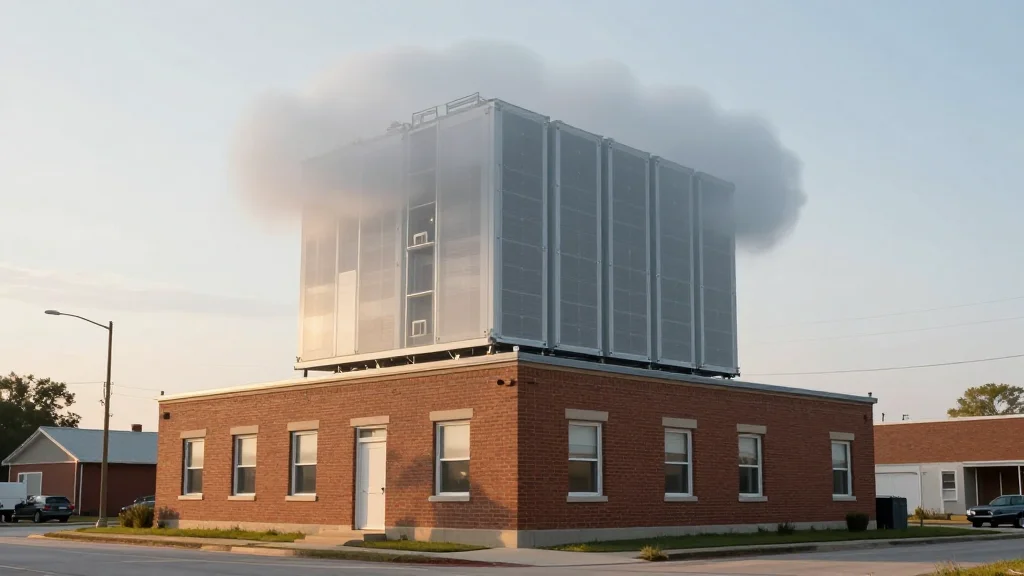
Festus, Missouri Voters Oust Pro‑AI Councilors, Halting $6 B Data‑Center Plan

Companies Mentioned
Why It Matters
The Festus election signals that AI infrastructure is no longer a purely corporate or federal issue; it is becoming a local political battleground. As AI models grow larger and demand more compute, the need for massive data centers will intensify, putting pressure on electricity grids, water supplies and land use. Communities like Festus are demanding a seat at the table, forcing developers and policymakers to reckon with environmental, economic and social trade‑offs before projects move forward. If grassroots opposition continues to translate into electoral defeats and legal challenges, developers may need to redesign projects, invest in greener energy sources, or offer more tangible community benefits. The outcome could reshape the economics of AI deployment in the United States, potentially slowing the rollout of next‑generation services that rely on high‑performance computing.
Key Takeaways
- •Festus voters removed all four council members who backed a $6 billion AI data‑center plan.
- •The proposed facility would span 360 acres and promise $32 million annual tax revenue.
- •Over 3,000 residents joined a Facebook opposition group; 4,000 signed a recall petition.
- •More than 90 U.S. municipalities are now restricting or considering limits on new data centers.
- •A lawsuit alleges city officials and the developer held closed‑door meetings, adding legal pressure.
Pulse Analysis
The Festus outcome is a micro‑cosm of a larger shift: AI’s hardware demands are colliding with local governance. Historically, data‑center siting has been driven by tax incentives and utility rates, with little community input. The current wave of opposition reflects a maturing public awareness of AI’s physical footprint, echoing earlier NIMBY (Not In My Backyard) movements against wind farms and fracking. What sets this episode apart is the political weaponization of the issue—candidates are now campaigning on data‑center stances, and election results are directly influencing project viability.
From a market perspective, developers may need to re‑evaluate site selection criteria, incorporating community engagement as a core component of project risk assessment. The $6 billion price tag of the Festus proposal underscores the scale of capital at stake; any delay or cancellation can ripple through supply chains, from server manufacturers to construction firms. Moreover, the legal challenges could set precedents for disclosure requirements, potentially mandating environmental impact assessments and public hearings before any AI‑related infrastructure can proceed.
Looking ahead, the industry might see a bifurcation: large, purpose‑built AI campuses in regions with supportive policy frameworks and abundant renewable energy, versus smaller, modular data centers that can be more easily integrated into existing industrial parks with minimal community disruption. Companies that proactively address local concerns—through renewable power purchase agreements, community benefit funds, or transparent planning processes—could gain a competitive edge, while those that ignore the grassroots tide risk costly delays, litigation, and reputational damage.
Festus, Missouri Voters Oust Pro‑AI Councilors, Halting $6 B Data‑Center Plan
Comments
Want to join the conversation?
Loading comments...