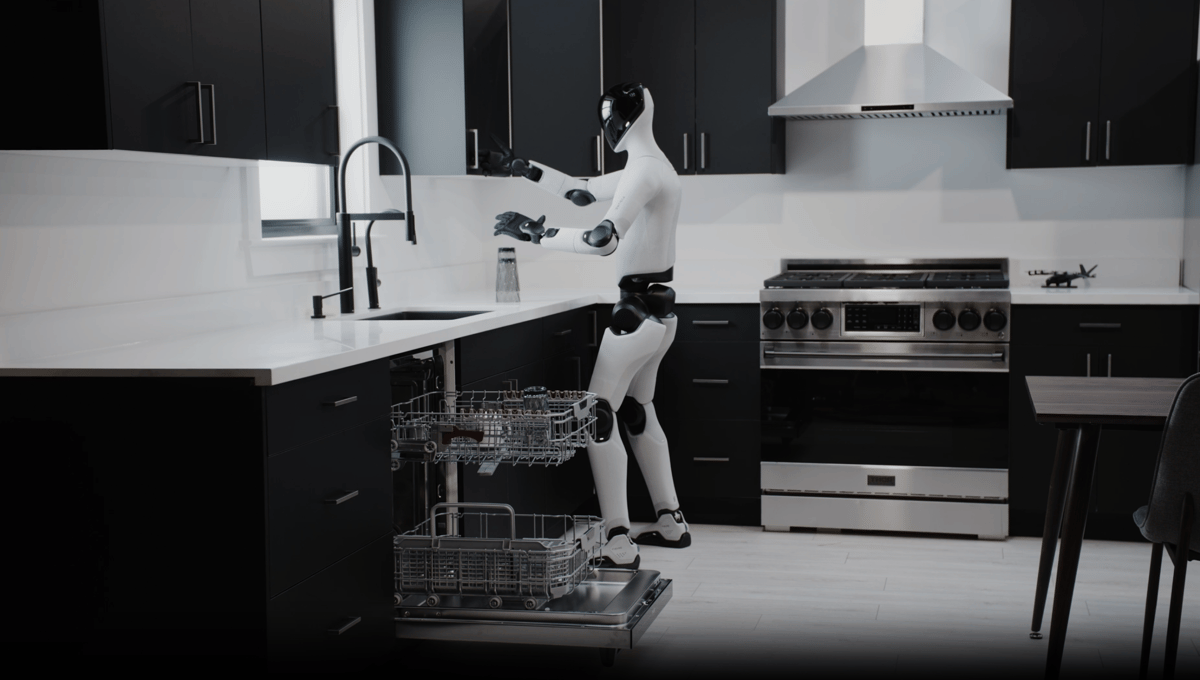
Figure AI Shows Robot that Really Puts Its Hip Into Dishwasher Duty
•January 28, 2026
0
Companies Mentioned

Why It Matters
Unified AI control removes the fragility of modular robotics, paving the way for reliable service robots in homes and workplaces. Demonstrating complex, coordinated tasks without human intervention signals a shift toward commercially viable humanoid automation.
Key Takeaways
- •Single neural net controls full-body humanoid actions
- •61-step dishwasher demo runs autonomously for four minutes
- •10M‑parameter network replaces over 100k lines of C++ code
- •Palm cameras and fingertip tactile sensors enable fine manipulation
- •Simulation trained on 200k parallel environments for real‑world transfer
Pulse Analysis
Integrating locomotion and manipulation has long been the holy grail of humanoid robotics. Traditional pipelines separate walking, balancing, and grasping into distinct modules, which makes the system brittle when unexpected forces arise. Figure AI’s Helix 02 discards this modularity by deploying a single, end‑to‑end neural network that simultaneously governs legs, torso, arms, and fingers. This unified control architecture reduces latency, improves coordination, and mirrors how humans coordinate whole‑body movements, marking a decisive step toward truly autonomous service robots.
The robot’s three‑tier software stack illustrates how simulation‑to‑real transfer can be scaled. System 0, a 10‑million‑parameter network trained on more than 1,000 hours of human motion data, runs at 1 kHz to provide rapid balance corrections, effectively replacing over 100 k lines of hand‑written C++ code. System 1 fuses sensor streams at 200 Hz, while System 2 interprets language commands and plans tasks. Coupled with new hardware—palm‑mounted cameras and fingertip tactile sensors capable of detecting three‑gram forces—the platform can perform delicate actions such as unscrewing caps or dispensing medication, expanding the scope of robotic assistance beyond coarse industrial tasks.
From a market perspective, Helix 02 demonstrates that high‑frequency, whole‑body AI control is becoming commercially viable, opening doors for domestic and workplace deployment. If the system can generalize to varied kitchen layouts and heavier dishware, it could accelerate the adoption of service robots in hospitality, healthcare, and logistics. However, the lack of disclosed error metrics and reliance on plastic dishes highlight remaining reliability gaps. Investors and OEMs will watch Figure AI’s next iterations closely, as scaling such technology could reshape labor‑intensive chores and create new revenue streams for AI‑driven robotics firms.
Figure AI shows robot that really puts its hip into dishwasher duty
0
Comments
Want to join the conversation?
Loading comments...