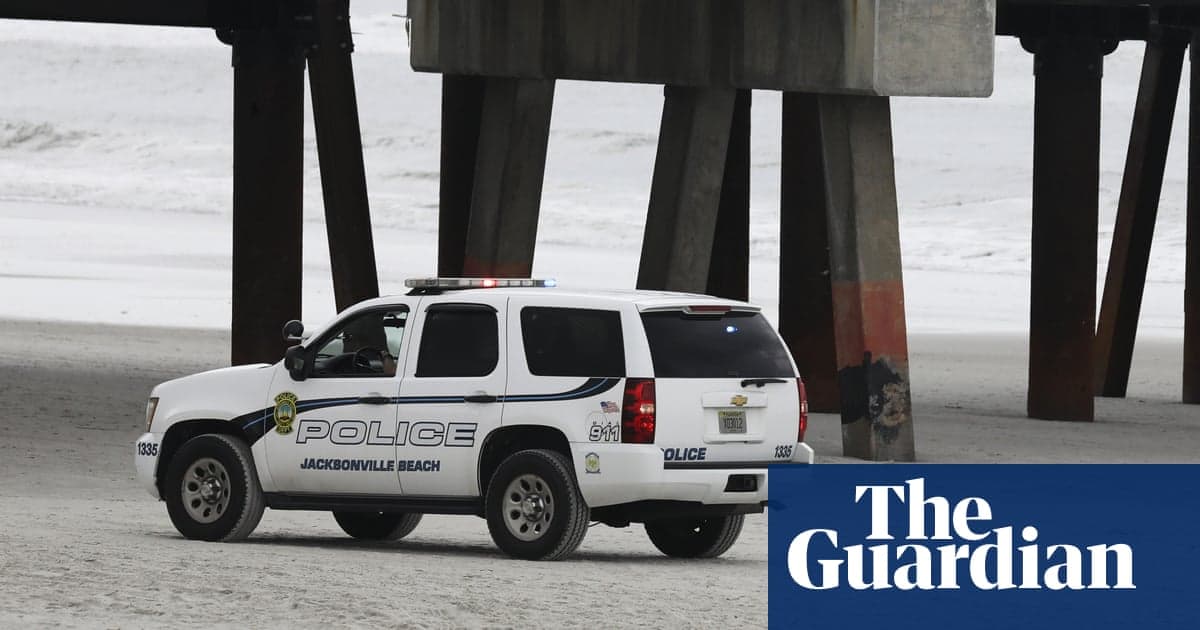
Florida Lawsuit Alleges Wrongful Arrest After Police AI Facial Recognition Error
Why It Matters
The suit highlights how AI errors can produce wrongful arrests, intensifying calls for stricter oversight and safeguards in law‑enforcement technology.
Key Takeaways
- •Facial‑recognition software flagged Dillon with 93% confidence, later disproven
- •License‑plate readers showed no Dillon vehicles near the McDonald’s
- •Low‑resolution screen‑grab image was used instead of original footage
- •Case adds to at least 15 U.S. wrongful arrests linked to AI errors
Pulse Analysis
Facial‑recognition tools have become a staple of modern policing, promising rapid suspect identification from surveillance footage. Yet accuracy varies dramatically across lighting conditions, image quality and demographic groups, leading to false‑positive rates that can exceed 1 in 100 for certain populations. Recent investigations, including a Guardian report, reveal that many agencies deploy these systems without rigorous validation, allowing algorithms to generate high‑confidence matches that are later contradicted by basic evidence such as vehicle location data.
The legal fallout is mounting. The ACLU‑backed lawsuit on behalf of Robert Dillon joins a growing docket of cases where individuals were arrested, detained or even extradited after erroneous AI matches. In a parallel incident, a North Carolina man spent three months in jail after facial‑recognition linked him to a car theft 400 miles away. Courts are beginning to scrutinize the admissibility of algorithmic evidence, especially when investigators suppress exculpatory details or rely on low‑resolution images that the software cannot reliably analyze. These challenges raise profound civil‑liberties questions about due process and the presumption of innocence in an era of automated policing.
Policymakers and law‑enforcement leaders now face pressure to institute robust safeguards. Best practices include mandatory human review of every match, transparent documentation of algorithmic thresholds, regular bias audits, and clear protocols for preserving original high‑definition footage. Some jurisdictions are moving toward moratoria on facial‑recognition use pending legislative action, while federal agencies consider standardizing accuracy benchmarks. Until such measures become commonplace, wrongful arrests like Dillon’s will continue to erode public trust and expose agencies to costly litigation, underscoring the urgent need for accountable AI deployment in the criminal‑justice system.
Florida lawsuit alleges wrongful arrest after police AI facial recognition error
Comments
Want to join the conversation?
Loading comments...