Ford Has an AI Assistant and New Hands-Free BlueCruise Tech on the Way
•January 8, 2026
0

Companies Mentioned


Why It Matters
Ford’s AI assistant and cheaper BlueCruise signal a strategic push to catch up with rivals in vehicle intelligence and autonomous capabilities, potentially reshaping consumer expectations and market dynamics.
Key Takeaways
- •AI assistant launches in Ford app early 2026.
- •In‑car integration planned for 2027 across models.
- •BlueCruise redesign cuts build cost by 30%.
- •Eyes‑off driving targeted for 2028 release.
- •Point‑to‑point autonomy to rival Tesla FSD.
Pulse Analysis
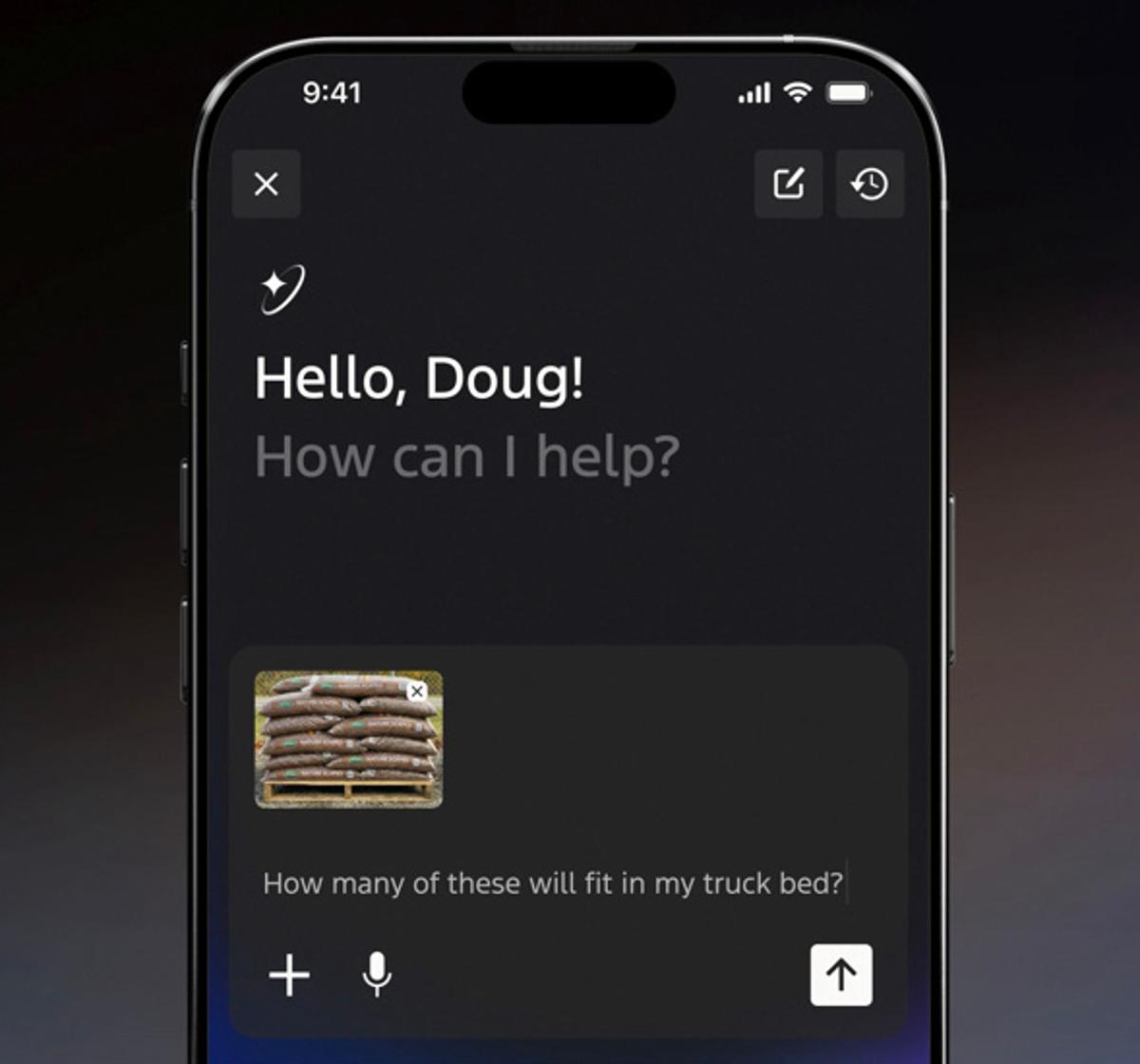
The automotive industry is rapidly embracing conversational AI, and Ford’s decision to embed a cloud‑hosted assistant in its consumer app reflects a broader shift toward software‑first experiences. By leveraging Google Cloud’s large language models, Ford can deliver real‑time vehicle insights—such as cargo capacity calculations or oil‑life alerts—without the need for bespoke AI development. This approach accelerates rollout, reduces R&D spend, and positions the brand to iterate quickly based on user feedback before the assistant reaches the cockpit in 2027.
BlueCruise’s next iteration tackles two critical hurdles: cost and capability. A 30% reduction in manufacturing expense makes advanced driver‑assist systems viable for Ford’s upcoming Universal Electric Vehicle platform, a mid‑size pickup aimed at price‑sensitive buyers. The system’s roadmap includes eyes‑off driving by 2028 and point‑to‑point autonomy that mirrors Tesla’s Full Self‑Driving (Supervised) functionality. By integrating these features into a low‑cost EV, Ford hopes to democratize higher‑level autonomy, expanding its appeal beyond premium segments.
From a competitive standpoint, Ford’s announcements narrow the technology gap with rivals like Rivian and Tesla, which have already showcased in‑car assistants and autonomous features. The timing gives Ford a full year to refine integration, potentially delivering a more polished user experience. If successful, the combination of an AI assistant and an affordable, capable BlueCruise could boost brand perception, attract tech‑savvy consumers, and strengthen Ford’s foothold in the evolving mobility market.
Ford has an AI assistant and new hands-free BlueCruise tech on the way
0
Comments
Want to join the conversation?
Loading comments...