Former XPeng VP, Joins ENGINEAI Robotics
Companies Mentioned
Why It Matters
Li’s expertise bridges autonomous‑driving AI and robotics, accelerating ENGINEAI’s push toward mass‑produced, cognitively integrated machines that could reshape industrial automation and inspection markets.
Key Takeaways
- •Li Liyun, ex-Xpeng VP, becomes ENGINEAI Robotics CTO.
- •Brings autonomous driving AI expertise to Zhenqiang’s embodied intelligence.
- •Company targets 10,000-unit line capacity, 100,000‑unit annual plant.
- •New strategy integrates “body, cerebellum, embodied brain” for robots.
- •Portfolio expands from companion SA02 to full-size T800 humanoid.
Pulse Analysis
Li Liyun’s move from XPeng to ENGINEAI Robotics brings a rare blend of autonomous‑driving know‑how and large‑model AI experience to the Chinese robotics sector. At XPeng, Li orchestrated the shift from rule‑based perception to deep‑learning‑powered driving stacks, a transformation that now informs ENGINEAI’s vision of embodied intelligence. His background at LinkedIn, Baidu Apollo, and JD.com adds a cross‑industry perspective on scaling AI pipelines, data flywheels, and production‑grade software engineering—capabilities that have been scarce in traditional humanoid robot firms.
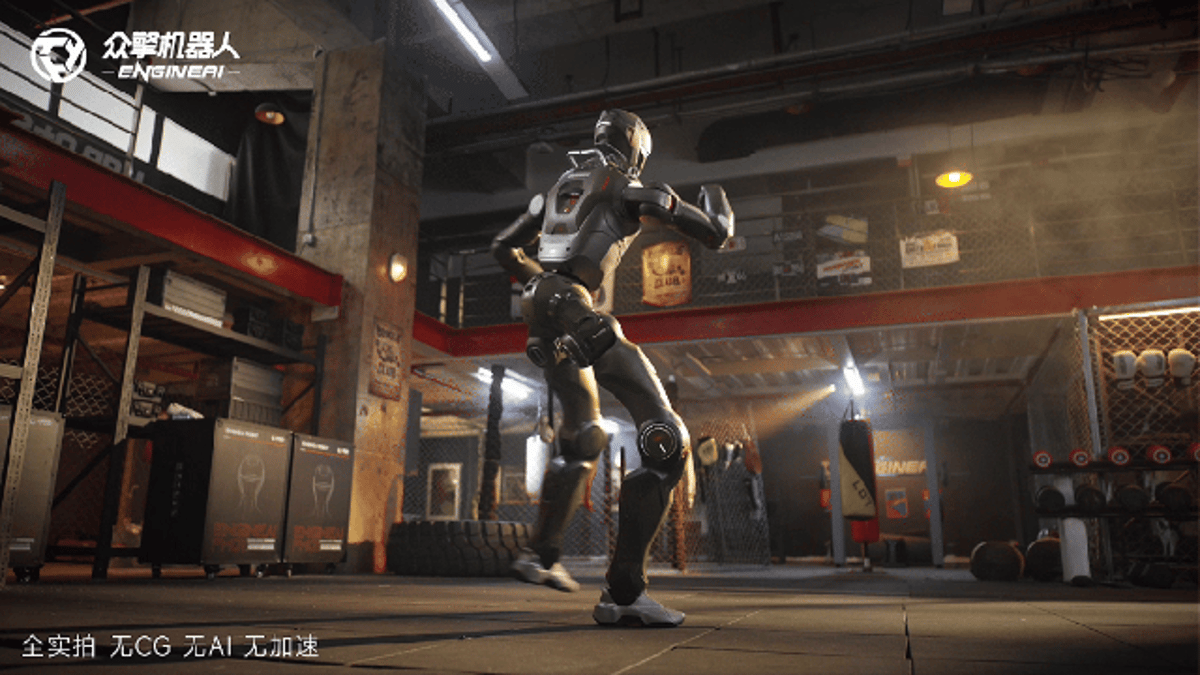
ENGINEAI, operating under the Zhenqiang brand, is redefining its product roadmap by fusing physical robot design with a layered cognitive architecture. The portfolio now spans the lightweight companion SA02, the PM01 mid‑size humanoid, and the full‑scale T800, each intended for inspection, manufacturing and logistics tasks. Simultaneously, the company is building manufacturing capacity: two dedicated lines capable of 10,000 units each and a smart factory slated for 100,000 units per year. This scale‑up aims to lower unit costs and enable rapid iteration of AI models across hardware generations.
The broader implication is a convergence of autonomous‑vehicle AI techniques with embodied robotics, a trend that could accelerate the adoption of intelligent machines in factories and warehouses. By applying industrial AI strategies—such as continuous model training and data‑driven optimization—to robot bodies, ENGINEAI positions itself to compete with global players like Boston Dynamics and Agility Robotics. Investors and industry watchers will likely view Li’s appointment as a bellwether for the next wave of mass‑produced, AI‑centric robots that can learn and adapt on the shop floor.
Former XPeng VP, Joins ENGINEAI Robotics
Comments
Want to join the conversation?
Loading comments...