From Glass Maker to AI Kingmaker: Corning’s Pivot
•February 24, 2026
0
Why It Matters
The shift toward dense, high‑speed AI infrastructure makes Corning’s fiber business a secular growth engine, positioning the firm to capture multi‑billion‑dollar revenue streams as AI workloads expand.
Key Takeaways
- •Meta contract could reach $6 billion for optical fiber.
- •Optical Communications sales rose 24% YoY to $1.7 billion.
- •Springboard plan leverages existing factories for high profit margins.
- •Targeted $11 billion incremental sales by 2028.
- •Display segment provides stable cash flow amid AI growth.
Pulse Analysis
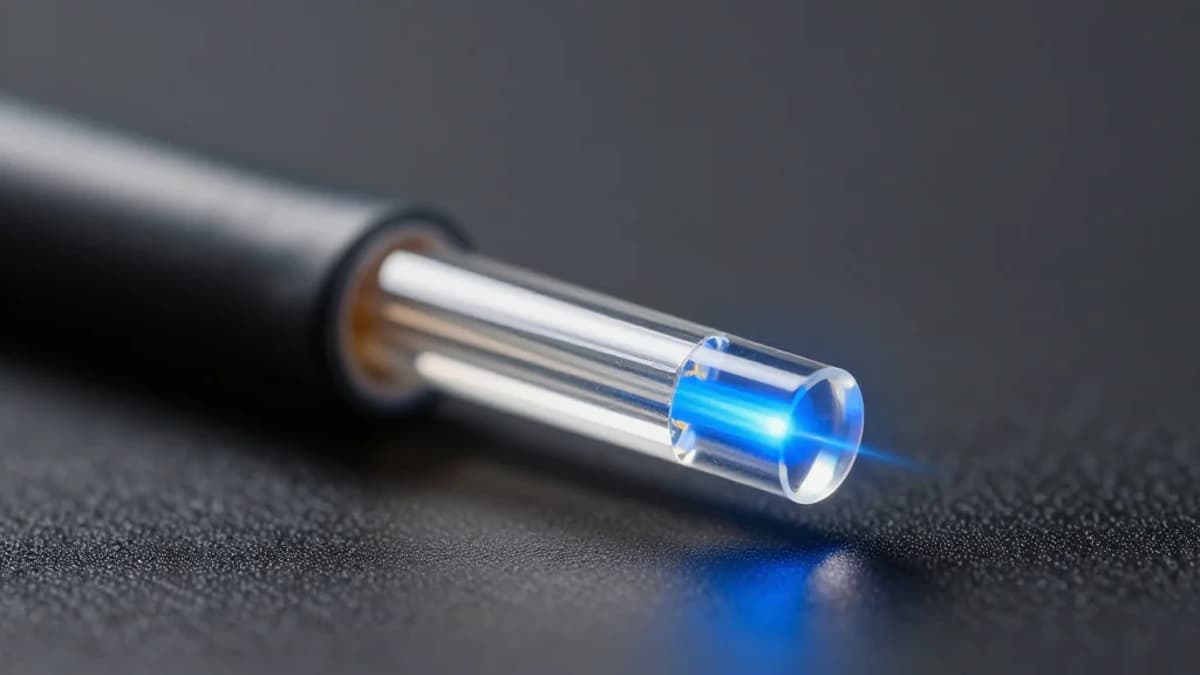
The AI boom is moving beyond raw compute power to the physical layer that stitches thousands of GPUs together. This densification demand forces data‑center operators to replace copper with optical glass, a market where Corning’s specialty fiber excels. By securing a multi‑year, potentially $6 billion supply contract with Meta, the company has anchored itself as a critical infrastructure partner, turning a niche material into a strategic asset for generative‑AI deployments.
Corning’s Q4 2025 results illustrate how its Springboard framework converts sales into outsized earnings. With fixed‑cost factories already in place, each additional fiber unit adds minimal incremental expense, driving operating margins to 20.2% and nearly doubling free cash flow to $1.72 billion. The company’s guidance—$6.5 billion of incremental sales by end‑2026 and $11 billion by 2028—reflects confidence that the optical segment can sustain high‑growth trajectories while funding further capacity expansion without heavy capex.
Valuation remains a focal point: a forward PE of roughly 78× signals a premium investors are willing to pay for exposure to AI‑related infrastructure. Corning mitigates this risk through its Display Technologies division, which continues to generate steady cash and profit despite currency headwinds. The dual‑engine model—high‑growth optical fiber paired with a cash‑rich display business—offers a balanced risk‑reward profile, making Corning a compelling play for investors betting on the long‑term expansion of AI data‑center connectivity.
From Glass Maker to AI Kingmaker: Corning’s Pivot
0
Comments
Want to join the conversation?
Loading comments...