From Software to Hardware: Where AI Goes Next

Why It Matters
The insights signal a strategic pivot for investors and enterprises toward edge‑focused AI hardware, reshaping capital allocation away from costly data‑center infrastructure while raising new safety and compliance challenges.
Key Takeaways
- •AI failures lack tracking, risking brand reputation
- •Highest ROI from internal, back‑office AI automation
- •Next hardware wave adds sensor context for AI
- •Edge migration will outpace data‑center expansion
- •Therapy loops and open‑source models pose real threats
Pulse Analysis
Tony Fadell’s perspective carries weight because he helped define the consumer‑tech playbook with the iPod, iPhone and Nest. At ScaleUp:AI ’25 he highlighted a blind spot in the AI industry: failure modes are rarely documented, leaving brands exposed when AI missteps occur in high‑stakes domains like finance or healthcare. This lack of transparency fuels skepticism among enterprise buyers and underscores the need for rigorous accuracy tooling—an approach Fadell applies to his Build Collective portfolio, which favors narrow, well‑trained models over generic large‑language models.
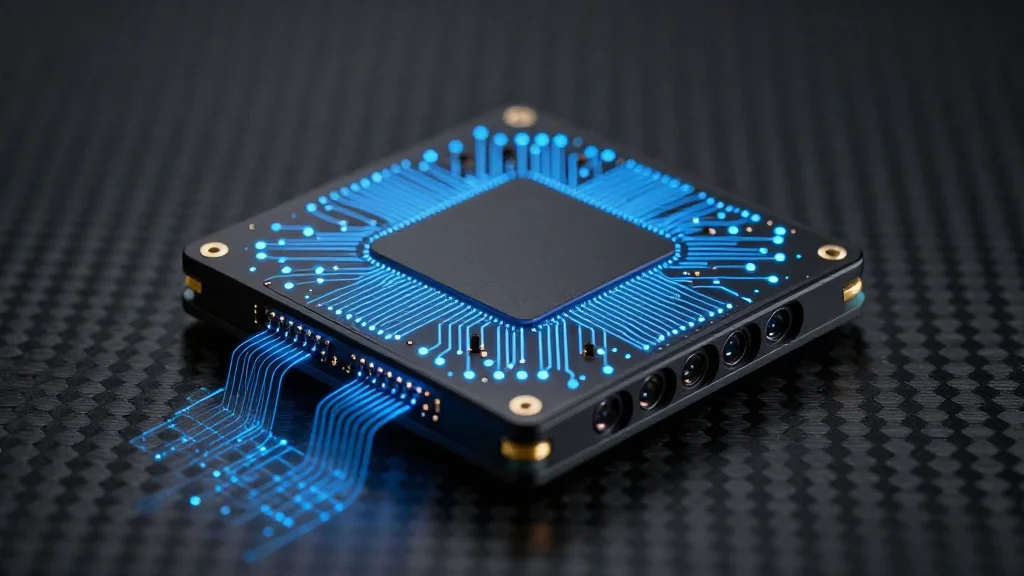
The conversation then turned to hardware, where Fadell sees the next growth frontier. Sensor‑rich devices—temperature, audio, visual and location modules—can feed real‑time context into AI models, dramatically reducing hallucinations and improving relevance. As models become 70 % smaller and capable of on‑device inference, the economics shift: enterprises will favor edge deployment over sprawling data‑center farms. This migration promises lower latency, reduced bandwidth costs, and a more sustainable capex profile, challenging the prevailing narrative of a multi‑billion‑dollar data‑center boom.
However, the transition is not without peril. Fadell warned that AI‑driven therapy loops can reinforce user biases, and the proliferation of open‑source models on smartphones creates a low‑cost vector for malicious actors, including bioweapon research. Investors should therefore prioritize companies that embed robust human‑in‑the‑loop safeguards and monitor emerging regulatory frameworks. Balancing the upside of contextual edge hardware with disciplined risk management will be key to capturing value in the post‑cloud AI era.
From software to hardware: Where AI goes next
Comments
Want to join the conversation?
Loading comments...