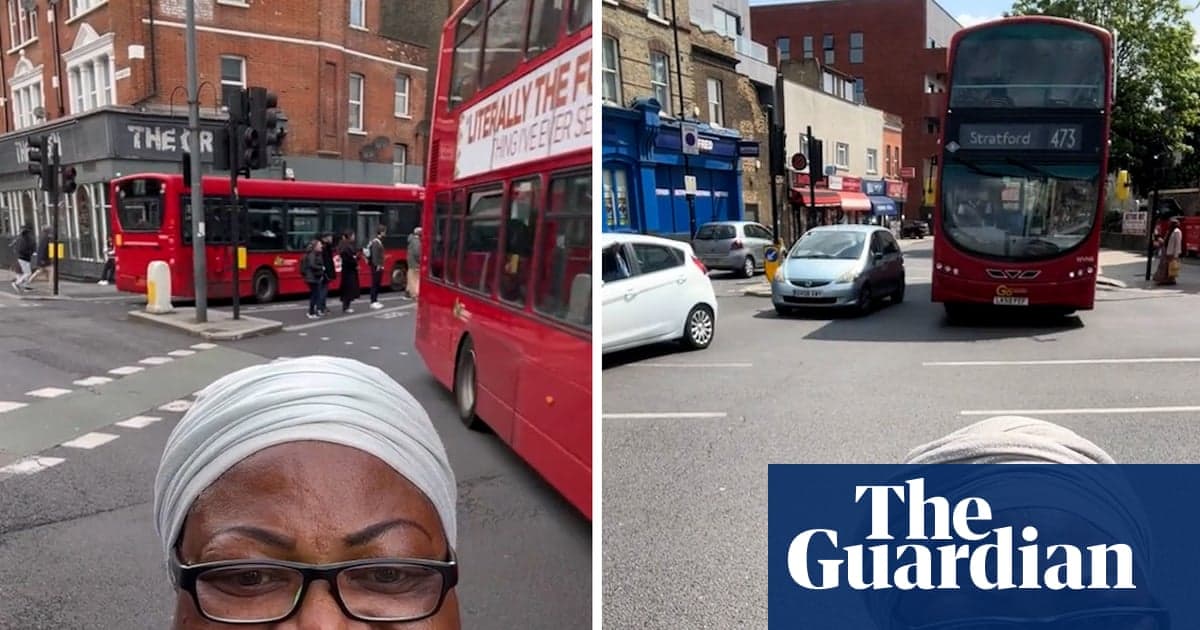
From that Bird Guy to ‘Bus Aunty’: The Real Social Media Personalities Rising Above AI Slop
•December 28, 2025
0
Companies Mentioned


Why It Matters
The rise of authentic creators reshapes audience expectations, forcing platforms and marketers to prioritize genuine engagement over algorithmic hype, and signals lasting demand for human‑centric storytelling.
Key Takeaways
- •Authentic creators outpace AI-generated content
- •TikTok algorithm favors relevance over celebrity
- •Voice for Change award highlights neurodiversity representation
- •Niche passions drive rapid follower growth
- •Brands partner with grassroots creators for genuine reach
Pulse Analysis
While AI‑generated videos have flooded feeds, 2025 has seen a counter‑movement toward authenticity on TikTok and Instagram. Creators such as Gerald Stratford, a Cotswolds pensioner sharing garden tips, and Jack Baddams, an ornithologist documenting birdlife, have amassed hundreds of thousands of followers by offering genuine, educational content. TikTok’s recommendation engine, which rewards relevance and viewer resonance, has amplified these niche voices, allowing them to break through the noise of polished, algorithm‑driven posts. This shift reflects a growing audience fatigue with synthetic media and a craving for real‑world experiences.
The authenticity surge is reshaping brand strategies. Luxury house Gucci recently featured Stratford in a campaign, leveraging his grassroots credibility to reach consumers tired of traditional influencer hype. TikTok’s Voice for Change award, given to mother‑son duo Tola and Kevin Andu for documenting Kevin’s autistic journey, underscores the platform’s commitment to inclusive storytelling and demonstrates how socially responsible narratives can translate into millions of views and tangible employment opportunities. Advertisers are now scouting everyday creators whose personal passions—whether baking, emergency medicine, or vintage bus enthusiasm—align with niche audience interests.
Looking ahead, the momentum behind everyday creators is likely to intensify as platforms fine‑tune algorithms to surface human‑centric content. Marketers will need to allocate budgets toward micro‑influencers who can deliver authentic engagement, while creators must continue to cultivate distinctive niches to sustain growth. The decline of AI‑only feeds suggests a broader industry recalibration toward trust and relatability, positioning authentic voices as the new currency in digital media ecosystems.
From that bird guy to ‘bus aunty’: the real social media personalities rising above AI slop
0
Comments
Want to join the conversation?
Loading comments...