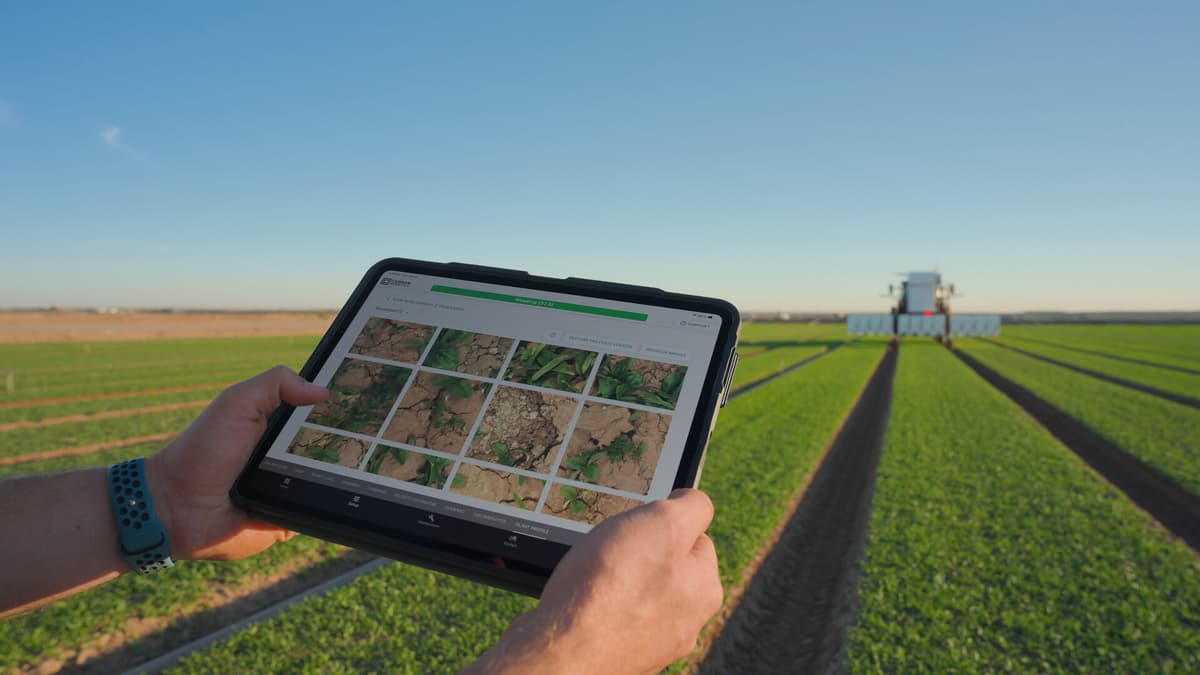
Frontier AI Heads to the Farm with Carbon Robotics’ Large Plant Model
•February 11, 2026
0
Why It Matters
LPM dramatically cuts labor and chemical inputs while accelerating AI adoption in farming, reshaping ag‑tech economics. It proves that massive, field‑collected data can deliver production‑grade AI at the edge.
Key Takeaways
- •LPM identifies weeds instantly, no cloud retraining
- •150 million plant images trained model
- •Software update adds LPM to existing LaserWeeders
- •Real‑time adaptation across crops and soils
- •AI architecture rivals self‑driving car tech
Pulse Analysis
The agricultural sector has long lagged behind other industries in harnessing deep learning, largely due to data scarcity and the high cost of deploying models in remote fields. Carbon Robotics has turned this challenge into an advantage by amassing a proprietary library of over 150 million plant images, a scale comparable to the datasets powering consumer AI products. This extensive visual repository enables the Large Plant Model to learn subtle variations in weed morphology, soil conditions, and growth stages, delivering a level of precision previously unattainable in field robotics.
Technically, LPM represents a shift from cloud‑dependent inference to edge‑centric processing. By embedding a sophisticated neural architecture directly onto the LaserWeeder’s GPU, the system can classify plants in milliseconds, adjust laser targeting, and update its PlantProfiles without transmitting data back to a central server. This on‑device capability reduces latency, conserves bandwidth, and mitigates privacy concerns, while also allowing farms with limited connectivity to benefit from cutting‑edge AI. The model’s ability to recognize new weed species instantly further reduces the operational overhead associated with traditional model retraining cycles.
From a market perspective, the rollout of LPM could accelerate the broader adoption of autonomous weed management solutions, driving down labor costs and herbicide usage across large‑scale farms. Investors are likely to view Carbon Robotics’ data moat and software‑first upgrade path as defensible competitive advantages, positioning the company for strategic partnerships or acquisition interest. Moreover, the demonstration that AI architectures can outpace those used in autonomous vehicles underscores a growing trend: frontier AI is moving beyond consumer tech and into mission‑critical, sustainability‑focused applications in agriculture.
Frontier AI heads to the farm with Carbon Robotics’ Large Plant Model
0
Comments
Want to join the conversation?
Loading comments...