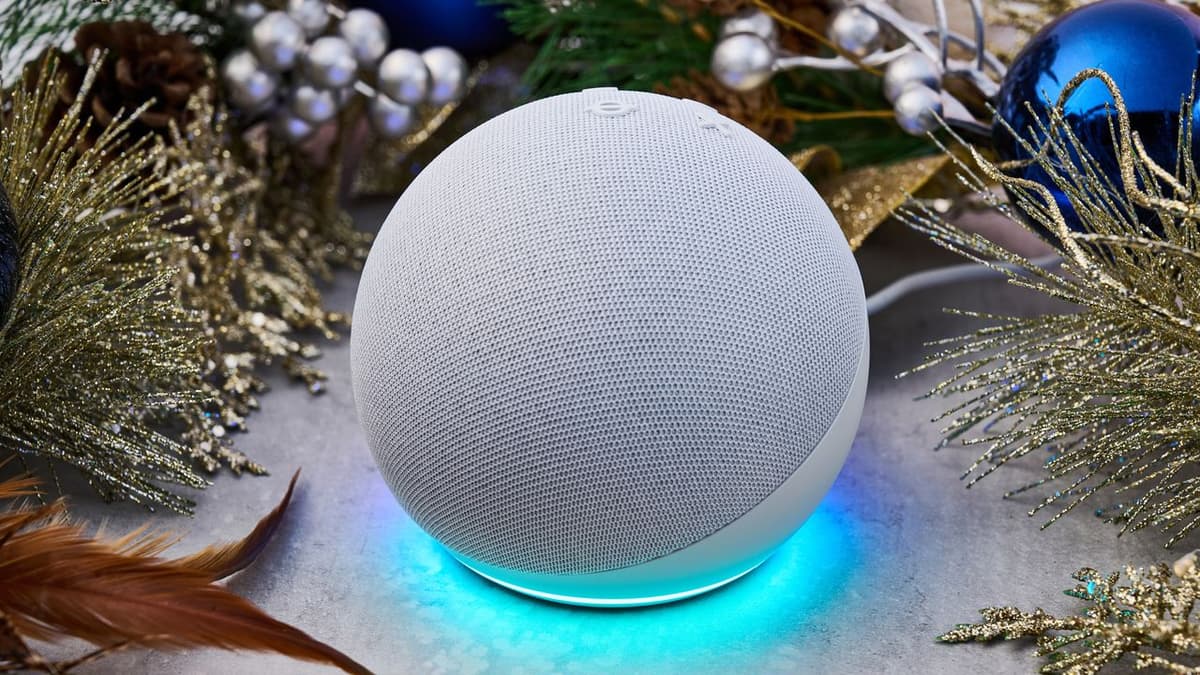
Get an Amazon Echo Dot for Christmas? Discover the 3 Features that Revolutionized My Smart Home Setup
•December 27, 2025
0
Companies Mentioned

Amazon
AMZN

Future
Why It Matters
By demonstrating low‑cost, high‑impact automation, the piece highlights how the Echo Dot accelerates mainstream IoT adoption and boosts consumer demand for integrated voice assistants.
Key Takeaways
- •Routines automate tasks based on time or triggers
- •Hunches proactively adjust devices without user prompts
- •Alexa Guard monitors sounds for security alerts
- •Multi‑room audio streams music throughout the house
- •Voice control unifies disparate smart‑home ecosystems seamlessly
Pulse Analysis
The Amazon Echo Dot has become the de‑facto entry point for many households entering the Internet‑of‑Things era. Priced under $50 during holiday promotions, it offers a full Alexa experience without the premium hardware of larger Echo models. Its compact design fits any room, while built‑in far‑field microphones capture commands across noisy environments, making it a reliable hub for controlling lights, thermostats, TVs and third‑party devices through a single voice interface.
At the heart of its appeal are three standout features. Routines let users schedule or trigger sequences—turning off lights, lowering blinds, and starting a coffee maker—based on time, location or sensor input, effectively turning a handful of devices into a coordinated system. Hunches take automation a step further by learning patterns; for example, they can lower the thermostat when the house is empty without a spoken command. Alexa Guard continuously listens for glass‑break or smoke alarms, sending push notifications and, if linked, contacting emergency services, thereby adding a layer of passive security to any smart‑home setup.
These capabilities illustrate why the Echo Dot is reshaping consumer expectations. Its affordability lowers the barrier to entry, prompting faster adoption of voice‑controlled ecosystems and encouraging manufacturers to prioritize Alexa compatibility. As more households integrate Echo devices, data-driven improvements in AI and machine‑learning will refine routines and predictive features, reinforcing Amazon’s position in the competitive smart‑home market and setting a benchmark for future voice‑first innovations.
Get an Amazon Echo Dot for Christmas? Discover the 3 features that revolutionized my smart home setup
0
Comments
Want to join the conversation?
Loading comments...