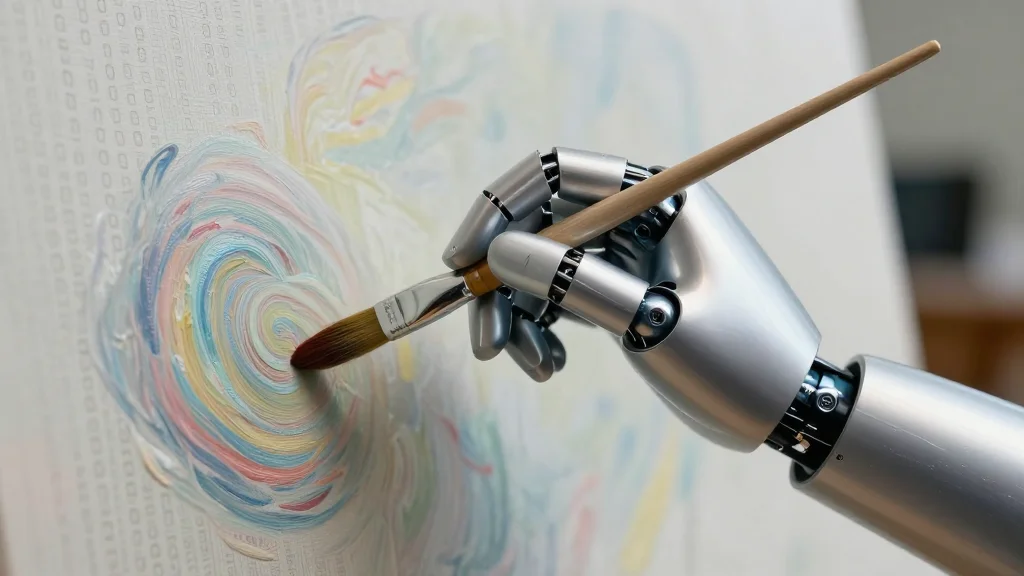
Why It Matters
These shifts reveal mounting economic and existential pressures on arts institutions, higher education, and cultural heritage, while AI debates raise fundamental questions about the future of work and creativity.
Key Takeaways
- •AI debates highlight job security and existential meaning
- •Salzburg Festival dismisses director amid contract controversy
- •New School faces $48M deficit, cuts 15% faculty
- •Scholars locate Book of Kells origin in Scotland
- •Cultural sectors confront AI's impact on creativity
Pulse Analysis
The latest wave of AI commentary reflects a broader societal reckoning with technology’s disruptive potential. The Atlantic’s coal‑versus‑horse analogy frames the debate around employment displacement, while Commonweal warns that AI could erode the very sense of meaning that underpins human activity. Hyperalluvial’s focus on artistic ethics adds another layer, questioning whether creators can retain agency when algorithms repurpose their work. Together, these narratives signal a cultural crossroads where economic, philosophical, and creative concerns converge.
In parallel, the arts and education sectors are confronting tangible financial turbulence. The Salzburg Festival’s sudden dismissal of Markus Hinterhäuser, despite a five‑year contract, underscores the fragility of leadership positions in high‑profile cultural institutions when fiscal or strategic disagreements arise. At the New School, a $48 million deficit has triggered a 15 % faculty cut, marking the largest attempted faculty layoff in U.S. higher education. Both cases illustrate how budgetary constraints can precipitate abrupt organizational change, affecting talent retention, program continuity, and the broader cultural economy.
Amid these contemporary challenges, scholars are revisiting historical narratives, as new research suggests the Book of Kells was likely crafted at a Scottish monastery rather than Iona. This revision reshapes understandings of medieval manuscript production, highlighting the importance of infrastructure and regional expertise. By re‑examining provenance, researchers not only refine art‑historical timelines but also reinforce the relevance of rigorous, interdisciplinary inquiry in preserving cultural heritage for future generations.
Good Morning
Comments
Want to join the conversation?
Loading comments...