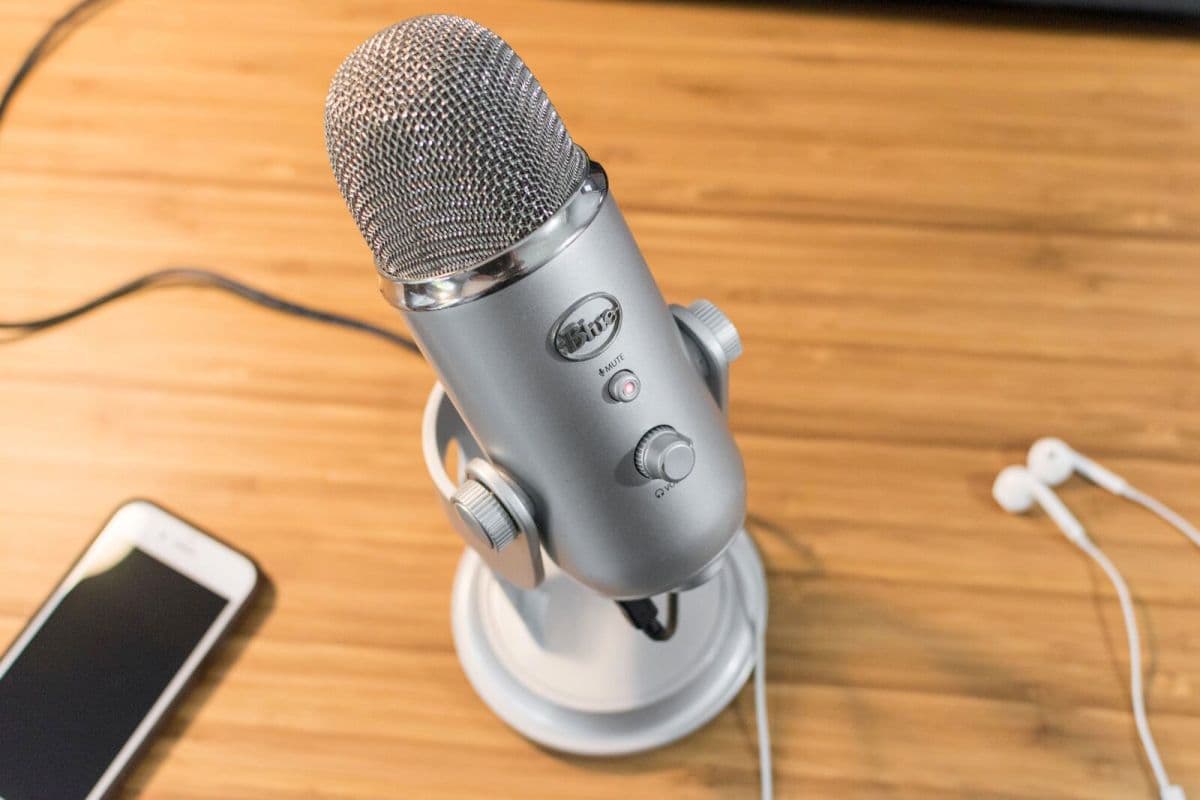
Google Classroom’s New Tool Uses Gemini to Transform Lessons Into Podcast Episodes
•January 7, 2026
0

Companies Mentioned

Why It Matters
The addition expands AI‑driven content creation in K‑12, reshaping how teachers deliver material and how students engage with lessons.
Key Takeaways
- •Gemini generates audio lessons directly in Google Classroom.
- •Teachers customize grade level, topics, speaker count, style.
- •Feature available to Workspace Education Fundamentals, Standard, Plus.
- •Targets 35 million Gen Z U.S. podcast listeners.
- •Teachers urged to review AI output for accuracy.
Pulse Analysis
The integration of Gemini into Google Classroom reflects a broader trend of AI‑enhanced learning tools that move beyond text‑based assistance. By converting curricula into audio formats, Google leverages its generative model to produce ready‑to‑listen lessons, reducing preparation time for educators while aligning with the growing consumption of on‑demand media. This shift underscores how large language models are being repurposed for multimodal educational experiences, offering schools a scalable way to diversify instructional media without extensive production resources.
Podcast‑style lessons tap into a cultural habit among Gen Z, where audio content is a primary source of information and entertainment. Research indicates millions of young listeners regularly tune into podcasts, making audio a familiar and engaging modality. In the classroom, this format supports differentiated instruction: students can replay segments, pause for reflection, or listen at their own pace, fostering autonomous learning and better retention. Moreover, the conversational styles—interviews, roundtables, casual dialogues—allow teachers to simulate real‑world discussions, enhancing critical thinking and oral comprehension skills.
Despite the promise, educators face challenges integrating AI‑generated audio responsibly. Concerns about factual accuracy, bias, and over‑reliance on generative tools persist, prompting Google to advise thorough review of each episode. Teachers must balance the efficiency gains with the need for pedagogical oversight, ensuring content aligns with curriculum standards and local policies. As AI continues to mature, future updates may incorporate adaptive feedback loops, allowing lessons to respond to student performance data, further personalizing the learning journey.
Google Classroom’s new tool uses Gemini to transform lessons into podcast episodes
0
Comments
Want to join the conversation?
Loading comments...