Google Hints at Google Assistant Shutdown Date for Android Auto – Here's What that Means for You
•November 27, 2025
0
Companies Mentioned


Why It Matters
Replacing Assistant with Gemini upgrades in‑car AI, enhancing safety and positioning Google ahead in the competitive automotive infotainment market.
Key Takeaways
- •Assistant to be retired March 2026, Gemini takes over
- •Gemini enables natural‑language route changes and stops
- •Hands‑free messaging supports 40+ languages, reduces errors
- •Improved AI aims to boost driver safety compliance
- •Waze remains active, complementing Maps within Android Auto
Pulse Analysis
Google’s decision to swap the long‑standing Google Assistant for its Gemini large‑language model in Android Auto reflects a strategic pivot toward deeper AI integration across its ecosystem. By targeting a March 2026 rollout, Google aligns the transition with its broader Gemini rollout in Search, Workspace, and other consumer products, ensuring a unified conversational experience. The move also addresses growing regulatory scrutiny over driver distraction, positioning Gemini as a safety‑first interface that reduces reliance on physical device interaction while keeping users within the familiar Android Auto environment.
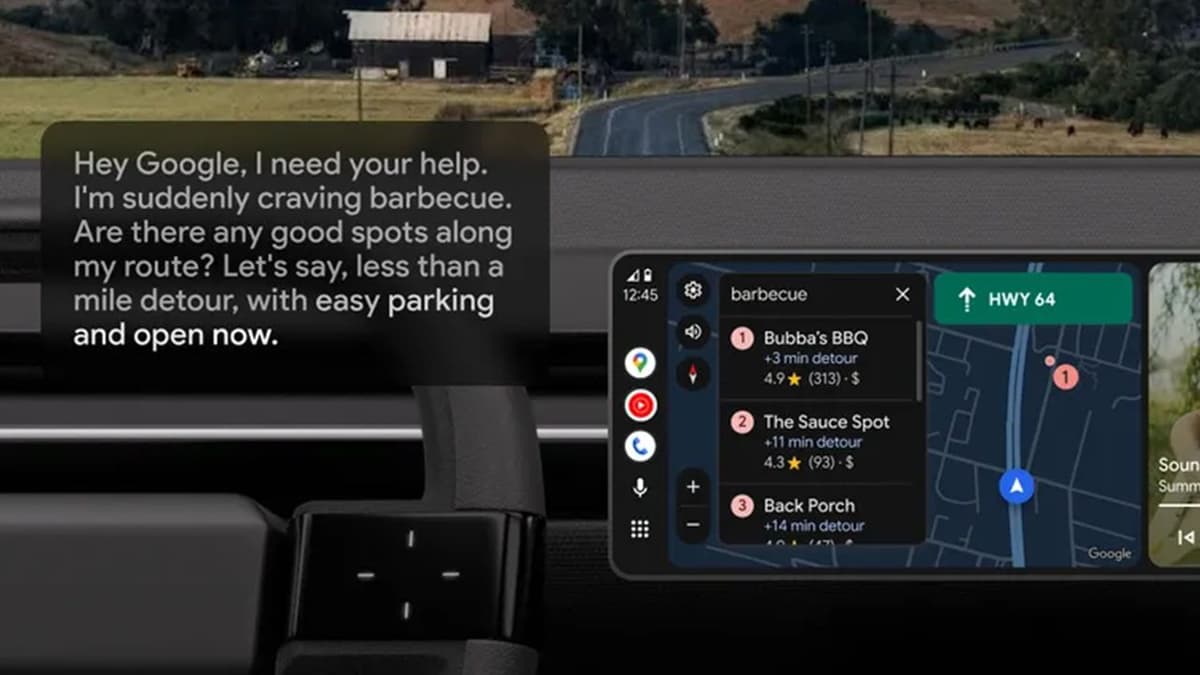
Gemini’s capabilities promise a leap in functionality for drivers. Natural‑language navigation will let users modify routes, add stops, or request local recommendations without precise commands, while the AI’s contextual memory can continue the conversation for follow‑up queries. Messaging sees a similar upgrade: Gemini can translate, edit, and summarize messages in over 40 languages, handling complex dictation scenarios that previously frustrated users. These enhancements not only streamline hands‑free communication but also aim to keep drivers’ attention on the road, potentially lowering accident risk and meeting emerging safety standards.
The industry impact is significant. Automotive OEMs integrating Android Auto will need to adapt to Gemini’s API and data requirements, opening new opportunities for custom in‑car services. Google’s upgrade also intensifies competition with Apple CarPlay, which is similarly investing in AI‑driven features. For developers, the shift means access to more powerful language models for third‑party apps, fostering innovation in infotainment, logistics, and on‑the‑go productivity tools. As vehicles become increasingly software‑defined, Gemini’s rollout could set a new benchmark for AI‑enabled driving experiences, influencing future regulatory frameworks and consumer expectations.
Google hints at Google Assistant shutdown date for Android Auto – here's what that means for you
0
Comments
Want to join the conversation?
Loading comments...