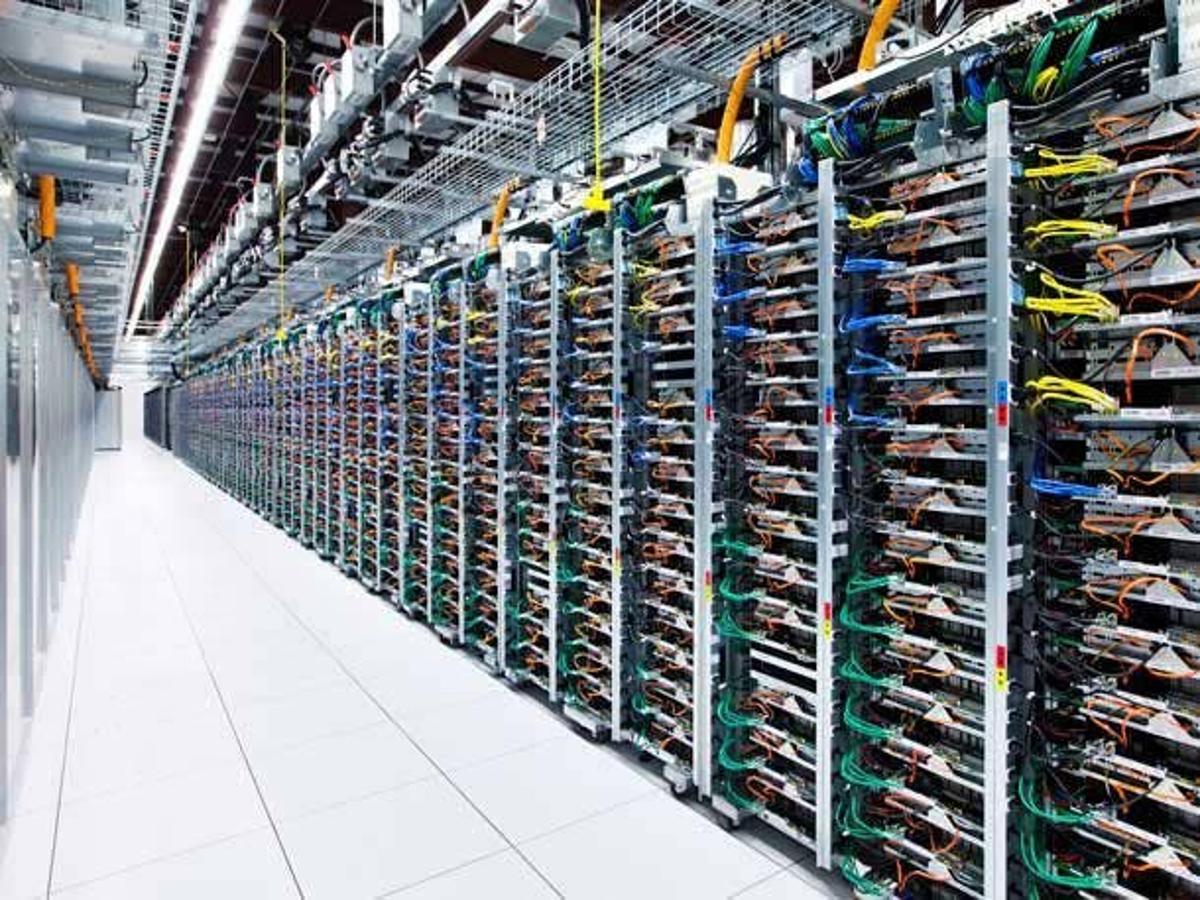
Google Unveils Two New US Data Centers As $185 Billion Commitment Gets Underway
•February 24, 2026
0
Why It Matters
The expansion fuels Google Cloud’s growth trajectory and sets a benchmark for eco‑focused data‑center design, pressuring rivals to accelerate green infrastructure investments.
Key Takeaways
- •Google allocates $185 billion capex for 2026.
- •New data centers announced in Texas and Minnesota.
- •Texas facility uses air‑cooling, eliminates water use.
- •Minnesota site powered by wind, solar, battery storage.
- •Google contracts 7,800 MW new Texas energy generation.
Pulse Analysis
Google’s $185 billion capex pledge for 2026 signals a decisive shift toward AI‑driven infrastructure. By earmarking billions for data‑center expansion, the company is positioning its cloud platform to capture rising demand from enterprises seeking generative AI workloads. This level of investment not only boosts revenue potential but also reinforces Google’s competitive edge against Amazon Web Services and Microsoft Azure, which are similarly scaling their own AI‑centric facilities.
The Texas data center exemplifies a new generation of sustainable design. Leveraging advanced air‑cooling eliminates the need for water‑intensive chillers, a critical advantage in a state prone to drought. Partnering with AES Corp. to inject 7,800 MW of clean generation directly onto the grid reduces reliance on fossil fuels and mitigates local grid strain. This model showcases how hyperscale operators can align large‑scale compute needs with regional energy policies, delivering both performance and environmental stewardship.
In Minnesota, Google’s commitment to wind, solar, and battery storage reflects a broader industry trend toward renewable‑powered cloud services. The $1 billion investment not only expands AI and cloud capacity in the Upper Midwest but also creates long‑term economic benefits for the community through job creation and stable energy costs. As regulators and customers increasingly prioritize carbon‑neutral operations, Google’s renewable‑focused rollout sets a precedent that could accelerate the adoption of green data‑center standards across the sector.
Google Unveils Two New US Data Centers As $185 Billion Commitment Gets Underway
0
Comments
Want to join the conversation?
Loading comments...